How to Create a Cohesive Design Scheme for Your Home (A Designer’s Step-by-Step Guide)
por Mae Osz en Mar 11, 2026
Creating a beautiful home isn't just about buying stylish furniture or following the latest interior design trends. The secret behind homes that feel calm, polished, and inviting is something much simpler: a cohesive design scheme.
After 12 years working as a designer and home blogger, I've seen the same pattern again and again. Many homes contain lovely individual pieces—a comfortable sofa, a beautiful rug, interesting decor—but when those elements don't work together, the space can feel chaotic or unfinished.
A cohesive design scheme brings everything together. Colours relate to each other, materials repeat across rooms, and artwork and decor reinforce the overall mood of the home.
But cohesion doesn't mean everything must match perfectly. In fact, the most beautiful homes feel layered, personal, and natural rather than overly designed.
And beyond aesthetics, there's something deeper happening when a home feels cohesive.
We live in a world that moves quickly. Technology fills much of our daily lives, and moments of stillness can be surprisingly rare. Because of this, our homes should do the opposite—they should help us slow down, reconnect with beauty, and restore a sense of calm.
Art plays a powerful role in this process. Colour, shape, and pattern influence how we feel in a space. The right visual environment can reduce stress, soften our mood, and create an atmosphere where we feel able to relax and reset.
When thoughtful art and design come together, a home can become more than a place to live—it becomes a calming refuge where people can rest, unwind, and feel truly comfortable.
In this guide, I'll show you exactly how to create a cohesive design scheme in your home, using the same principles I've developed through years of design experience.
List of Contents
- What Is a Cohesive Design Scheme?
- Why Cohesive Interior Design Matters
- A Real Design Story: Turning a Disconnected House Into a Harmonious Home
- My 5 Core Principles for Creating a Cohesive Home
- The Biggest Mistakes People Make When Designing Their Home
- My Step-by-Step Process for Creating a Cohesive Home
- Final Thoughts: Creating a Home That Feels Like a Sanctuary
What Is a Cohesive Design Scheme?
A cohesive home design is one where all the elements of a space feel connected and intentional.
Instead of each room feeling unrelated, the entire home flows naturally from one space to the next.
This doesn't mean every room must look identical. In fact, the opposite is usually true.
A cohesive home allows each room to have its own personality while still sharing visual connections such as:
- A consistent colour palette
- Repeating materials and textures
- Complementary furniture styles
- Thoughtfully chosen wall art
- A shared design atmosphere
When these elements work together, the result is a home that feels balanced, calm, and thoughtfully curated.

Why Cohesive Interior Design Matters

Many people underestimate how much their environment affects their mood and wellbeing.
A visually cluttered or disconnected home can feel subtly stressful without us even realising why. On the other hand, a cohesive environment naturally encourages relaxation.
Through years of designing interiors and writing about home design, I've noticed three major benefits when a design scheme comes together.
Your Home Feels Calmer
When colours, textures, and furniture complement each other, the space stops competing for attention.
Instead, everything works together to create a harmonious atmosphere that makes it easier to relax.
Decorating Decisions Become Easier
When you establish a clear design scheme early on, it becomes much easier to decide what belongs in your home and what doesn't.
Every purchase becomes more intentional.
Your Home Feels More Personal
Ironically, cohesive homes often feel more personal, not less.
That's because every piece contributes to the overall story of the space instead of being added randomly.
A Real Design Story: Turning a Disconnected House Into a Harmonious Home

One of my favourite projects involved helping a young couple who had recently moved into a Victorian terrace house.
Over the years they had collected furniture they loved individually. Their home included:
- A mid-century sideboard
- A farmhouse-style dining table
- Contemporary lighting
- Colourful textiles
- Various art prints gathered from travels
Individually, the pieces were fantastic.
Together, however, the house felt visually overwhelming.
Every room had a completely different colour palette and style. Walking through the home felt like moving between separate homes rather than one connected space.

The Core Problem
The biggest issue wasn't the furniture—it was the lack of a unifying design scheme.
There was no shared colour palette, materials weren't repeated, and artwork varied widely in style and framing.
The Design Approach
Instead of replacing everything, we focused on creating visual connections.
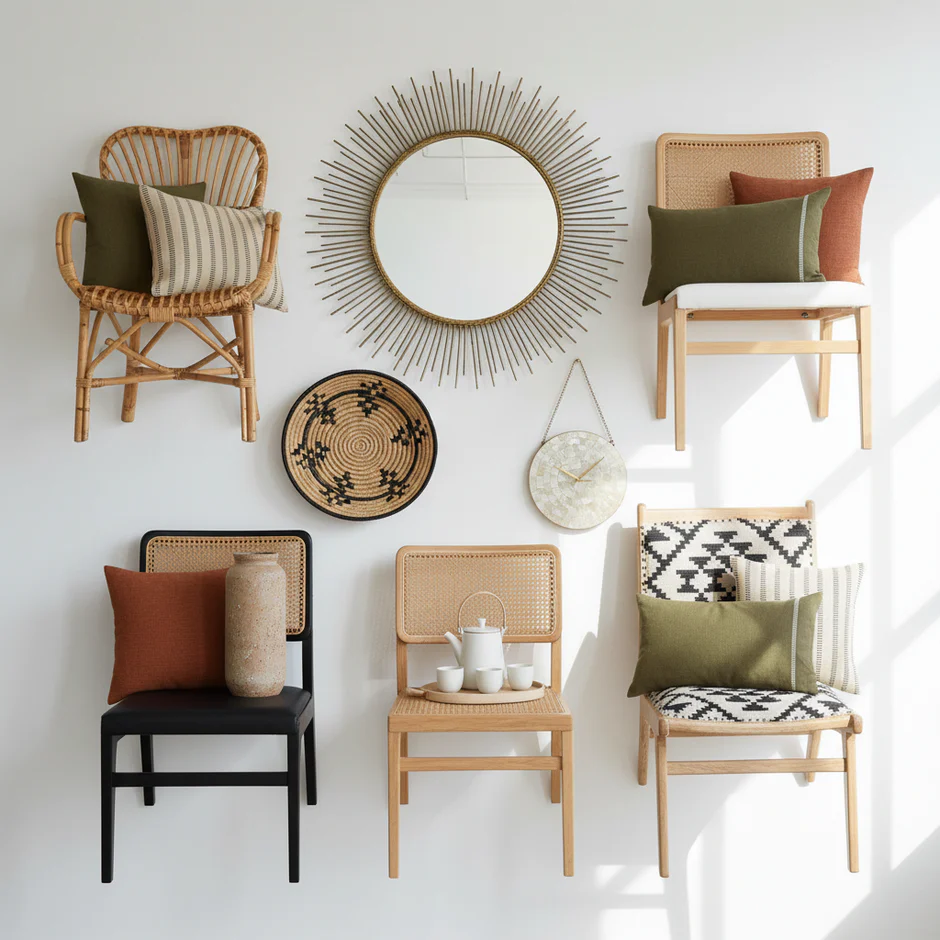
First, we defined a core colour palette built around warm neutrals, soft sage green, and muted terracotta tones.
Next, we repeated materials throughout the house—natural wood textures, linen fabrics, and subtle black metal accents.
Finally, we introduced wall art that tied the colours together, creating focal points that anchored each room.
The Result
The transformation was immediate.
Even though most of the furniture stayed the same, the house suddenly felt calmer and more intentional.
The homeowners later told me something that perfectly captured the goal of cohesive design:
"It finally feels like our whole house belongs together."
My 5 Core Principles for Creating a Cohesive Home

Over the years, I've found that cohesive interior design almost always comes down to a few key principles.
These are the guidelines I rely on when designing or styling any space.
1. Start With a Clear Colour Palette
Colour is the foundation of a cohesive design scheme.
Without a defined palette, it's easy for a home to feel visually scattered.
I typically recommend selecting three to five core colours that appear throughout the home.
These might include:
- A primary neutral (such as white, cream, or soft grey)
- A secondary neutral
- One or two accent colours
- A grounding darker tone
These colours should appear in various ways—paint, textiles, accessories, and artwork.
Repeating colour throughout the home creates visual flow and harmony.
2. Repeat Materials and Textures
Another powerful way to create cohesion is by repeating materials across rooms.
Examples include:
- Wooden furniture in similar tones
- Black metal lighting or frames
- Natural fabrics like linen and cotton
- Woven textures such as rattan or jute
These repeated materials quietly connect spaces without making the design feel forced.
Texture also adds richness and warmth, preventing a home from feeling flat or overly minimal.
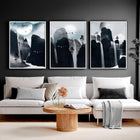
3. Use Wall Art to Anchor Each Room
Wall art is one of the most overlooked tools in interior design.
Many people treat art as the final decorative step, but it can actually shape the entire mood of a space.
Artwork helps:
- Reinforce the colour palette
- Create focal points
- Add personality
- Connect different elements of a room
A well-chosen piece of art can bring together the colours of a rug, sofa, and cushions in a single visual moment.
Gallery walls can also introduce rhythm and visual balance, especially in living rooms, hallways, or staircases.
When chosen thoughtfully, art becomes the visual thread that ties a home together.
4. Balance Statement Pieces With Neutral Elements

Every room benefits from a focal point.
This might be a bold sofa, a large artwork, or an eye-catching light fixture.
However, cohesion happens when statement pieces are balanced with calmer elements.
Too many bold pieces competing for attention can make a room feel chaotic rather than curated.
Neutral backgrounds—such as simple walls, natural fabrics, or understated furniture—allow focal pieces to stand out without overwhelming the space.
5. Create Flow Between Rooms

One of the most important secrets to cohesive home design is thinking beyond individual rooms.
Instead of decorating each space independently, consider how rooms relate to one another.
This might involve repeating:
- Colour accents
- Wood tones
- Textures
- Artwork styles
- Decorative materials
For example, a green tone used in the living room might appear again in the hallway through artwork or ceramics.
These subtle connections help the entire home feel intentional and connected.
The Biggest Mistakes People Make When Designing Their Home

After years of writing about interiors and helping readers style their homes, I see the same mistakes appear repeatedly.
Avoiding these can instantly improve the cohesion of your space.

Buying Decor Randomly
Purchasing items impulsively without considering the overall design scheme often leads to visual clutter.
Instead, define your palette and design direction first.
Following Too Many Trends
Trends can be inspiring, but incorporating several trends at once can overwhelm a space.
A cohesive home usually has a timeless foundation with a few trend accents.
Ignoring Wall Space
Bare walls often make a room feel unfinished.
But randomly chosen artwork can disrupt the design scheme just as much.
Art should connect to the colours, shapes, and mood of the space.
Choosing Paint Colours Last
Paint colours influence nearly every other design decision.
Choosing them early makes it easier to create a consistent palette across furniture, textiles, and decor.
Making Every Room Completely Different
Variety is important, but completely unrelated rooms can make a home feel fragmented.
Instead, aim for coordinated variety, where each room has its own personality but still connects to the overall design story.
My Step-by-Step Process for Creating a Cohesive Home

If you're starting from scratch, this process can help guide your design decisions.
Step 1: Create a Mood Board
Start by collecting images that represent the atmosphere you want your home to have.
Look for patterns in colour, texture, and furniture style.
This helps clarify the direction of your design.
Step 2: Choose Your Colour Palette
Select the core colours that will appear throughout your home.
These tones will guide decisions about paint, furniture, textiles, and artwork.
Step 3: Select Key Furniture Pieces
Large items such as sofas, beds, and dining tables establish the structure of each room.
Once these pieces are in place, smaller decor elements can support them.
Step 4: Introduce Wall Art
Artwork brings personality and cohesion to a room.
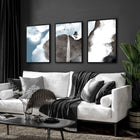
Choose pieces that reinforce the colour palette and reflect the atmosphere you want your home to have. Exploring unique wall art can help you find statement pieces that tie together colours, textures, and the overall mood of your space.
Step 5: Layer Textures and Accessories
Finally, add depth with textiles, ceramics, lighting, plants, and decorative objects.
These finishing touches help transform a house into a home.
Final Thoughts: Creating a Home That Feels Like a Sanctuary

A cohesive home isn't about perfection.
It's about intention.
When colours relate to one another, materials repeat naturally, and artwork reinforces the mood of the space, the home begins to feel balanced and calm.
And in a world that often feels rushed and overwhelming, that kind of environment matters more than we realise.
Thoughtfully chosen art, colours, and textures can transform a home into a space that supports wellbeing—a place where people can slow down, reconnect with beauty, and simply breathe.
Ultimately, the goal of cohesive design isn't just visual harmony.
It's creating a home that feels like a quiet sanctuary in the middle of a busy world.