

Create Beautiful Home Interior Design in 5 Simple Steps
por Mae Osz en May 10, 2026
Have you ever walked into a room and instantly felt calm, inspired, or simply at home? That magical feeling often comes down to smart home interior design. Creating such a space is not just about buying lovely furniture or pretty wall art—it's about thoughtfully crafting an environment that speaks to your style and supports your lifestyle. Whether you're seeking serene minimalism or a cosy eclectic vibe, the journey to transforming your living space begins with understanding some simple yet effective design fundamentals.
When I first started exploring home décor, I was surprised by how much impact subtle changes had on the overall atmosphere. Adding the right artwork, layering the lighting, or even rearranging furniture created a space that felt balanced and inviting. The good news is that you don't need to be a professional designer to achieve this. You just need a clear, manageable plan that guides you step-by-step.
Throughout this article, I'm excited to guide you through a practical five-step framework to master your own home interior design. We'll cover everything from planning the perfect layout to selecting furnishings and adding those finishing touches that bring it all together. Plus, we'll explore how smart design choices improve both aesthetics and functionality.
List of Contents
- Plan Your Layout for Better Flow and Balance
- Choose a Cohesive Colour Palette
- Layer Your Lighting Effectively
- Select Key Furnishings with Purpose
- Add Finishing Details for the Perfect Polish
- What is Home Interior Design?
- How Do You Start Designing Your Home Interior?
- What Are the Basics of Interior Design?
- How Does Interior Design Improve Functionality?
Plan Your Layout for Better Flow and Balance

The first step in home interior design is planning your layout. This creates the foundation on which every other element depends. Think of a well-planned layout as setting the stage—it directs how you move through your space and how each piece interacts.

Understanding Space and Flow
Start by measuring your room and noting the positions of doors, windows, radiators, and built-in features. This helps you decide where furniture can best fit without blocking walkways or light. A good layout improves flow, making your home feel spacious and welcoming.
Key Tips for Effective Layout Planning
- Define areas by function: Separate zones for relaxing, dining, or working make your home more organised.
- Use focal points: Highlight features like fireplaces or wall art to anchor each space.
- Avoid overcrowding: Allow at least 60cm walking space around furniture to keep flow smooth.
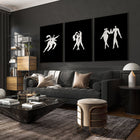
For example, in my own living room, I arranged the sofa to face a beautiful canvas artwork that sets a calming tone. The coffee table sits at the perfect distance to be practical without feeling intrusive. This balance grew from deliberate layout planning that considered both comfort and aesthetics.
| Space Type | Minimum Clearance | Recommended Clearance |
|---|---|---|
| Hallways & Main Walkways | 75cm | 90cm |
| Between Sofa and Coffee Table | 35cm | 45–50cm |
| Between Dining Chairs and Walls | 60cm | 75cm |
By putting thought into layout, you lay the groundwork for the entire home interior design journey. It's your first step to a home that feels both organised and effortless to live in.
Also consider exploring some interior design concepts that focus on space and function to further inspire your initial plans.
Choose a Cohesive Colour Palette

Colour shapes mood, perception and overall harmony. Selecting a colour palette is a key step when creating your home interior design scheme. A cohesive palette connects each room without overwhelming the senses.

Start with a Base Colour
Neutral colours like soft greys, warm beiges or crisp whites form excellent bases. They're versatile and create a calming backdrop, perfect for mindful home décor that values relaxation.
Accent and Secondary Colours
- Choose one or two accent colours: These add personality and depth. Think muted greens, deep blues, or dusty pinks.
- Use accent colours thoughtfully: Through cushions, vases, wall art and rugs.
Apply the 3-5-7 Rule
The popular 3-5-7 rule in decorating is a simple guide: 60% base colour, 30% secondary colours, and 10% accent tones. This ratio helps balance energy and calm throughout your space.
Imagine a living room with soft pale grey walls (base), a navy velvet sofa (secondary), and burnt orange cushions (accent). This palette invites feeling grounded yet subtly dynamic.
For a deeper understanding, I suggest visiting this page on home decor theory to explore experts' insights on colour harmony.
Layer Your Lighting Effectively

Great home interior design balances aesthetics with functionality—and lighting is a perfect example. Layered lighting not only adds warmth but also sets mood and enhances the subtle textures and colour tones of your décor.

Three Layers of Lighting
- Ambient lighting: The main general light, often ceiling fixtures or flush mounts.
- Task lighting: Focused light for activities, such as reading lamps or under-cabinet kitchen lights.
- Accent lighting: Subtle illumination to highlight artwork, plants, or architectural features.
Tips on Effective Lighting Layers
- Use dimmers wherever possible to adjust brightness and create flexibility.
- Pair warm light bulbs (2700K–3000K) with soft furnishings for a cosy atmosphere.
- Position accent lights to spotlight your favourite wall art; it enhances your chosen pieces beautifully.
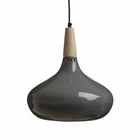
In one project, I chose to illuminate a statement painting with adjustable spotlights, while the ambient light came from a sleek pendant. A stylish floor lamp provided task lighting near the reading nook, creating a functional yet inviting corner.
For more structured advice, check out interior styling frameworks that include lighting as a key element.
Select Key Furnishings with Purpose

Choosing furnishings goes beyond mere decoration. Thoughtful selection contributes heavily to comfort, functionality, and style—the cornerstones of home interior design.
Prioritise Quality Over Quantity
Rather than crowding your space with many items, invest in fewer, better-quality pieces that last and look elegant. Good furnishings anchor the room and give it personality.
Mix Textures and Materials
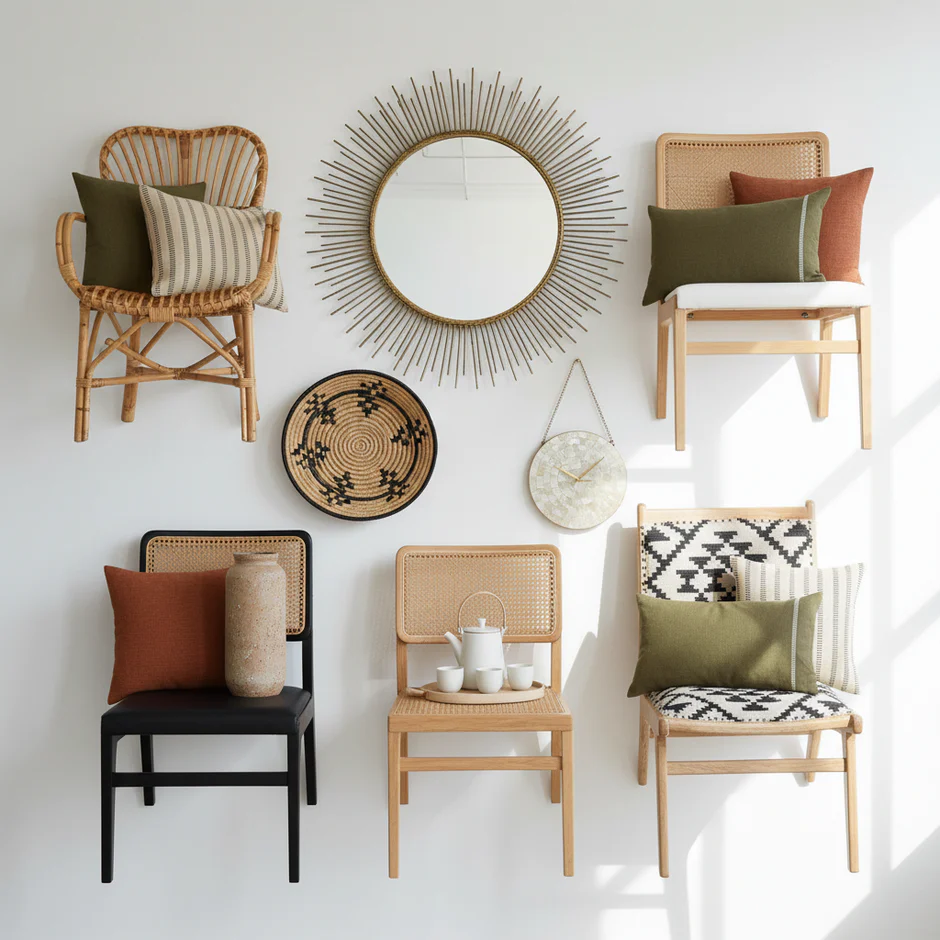
- Wood, metal, glass and natural fibres add layers of tactile interest.
- Combine smooth, rough, soft and hard textures for balance.
Consider Scale and Proportion
Choose furniture sizes that suit your room. Overly large sofas overwhelm small rooms, while tiny furniture looks lost in expansive spaces.
For example, pairing a medium-sized, plush sofa with a slightly rustic wooden coffee table and sleek metal lamps creates contrast that's inviting yet cohesive.
Don't forget to introduce statement wall art pieces that complement your furnishings and inject character. To explore how to use art effectively, see this guide on design principles.
Add Finishing Details for the Perfect Polish

It's often the little things that make a big difference. Finishing details tie your home interior design together and give your rooms that polished, considered look.
Key Finishing Touches to Consider
- Soft furnishings: Cushions, throws, and rugs add comfort, colour and texture.
- Plants: Bringing nature inside promotes calm and freshens the air.
- Decorative objects: Personal items like books or curated ceramics add individuality.
- Wall art: Creates focal points and brings personality to plain walls.
- Mirrors: Reflect light and create a sense of space.
Remember, finishing details aren't just decorative—they complete your story and support the mood you want to create. A well-chosen wall art piece or a simple indoor plant can transform the energy of a room.
Discover more about how these small touches function within interior styling frameworks for design inspiration and practical ideas.
What is Home Interior Design?

Home interior design is the thoughtful art and science of enhancing the interiors of a home to create a healthier and more aesthetically pleasing environment. It combines practical planning with creative styling to balance space, colour, lighting, and furnishings.
It's more than decorating; it's about organising a home's layout, placing items for comfort and flow, and selecting materials and colours that reflect your personality and lifestyle.
Home interior design also ensures your space functions well for everyday living while giving you that special feeling when you step inside—calm, welcoming, and truly yours.
How Do You Start Designing Your Home Interior?

Starting your home interior design journey can feel intimidating, but breaking it down into manageable steps helps. The basics include understanding your space, setting a style direction, choosing a palette, and planning layout.
Begin by gathering inspiration through photos, magazines, or online galleries. Create mood boards to visualise colours and style elements. Measure your rooms carefully to plan furniture placement.
From there, decide on a cohesive colour palette and start selecting key pieces based on your lifestyle needs. Remember, layering lighting and choosing art to suit your aesthetic are equally important early steps.
Following a structured framework like the one discussed here makes it easier to organise and stay inspired. For comprehensive concepts, take a look at interior design concepts.
What Are the Basics of Interior Design?

The basics of home interior design revolve around five key design principles:
- Balance: Distribute visual weight evenly through room elements to avoid clutter or emptiness.
- Contrast: Use opposing colours, textures, or forms to create visual interest.
- Rhythm: Repeat elements such as colours or shapes to create harmony and movement.
- Scale and Proportion: Furniture and accessories should suit the size of the room.
- Harmony and Unity: All components should feel connected through colour, style or theme.
This foundation guides decisions when selecting paint colours, furniture, décor and lighting. Keeping these principles in mind ensures your home looks thoughtfully composed.
How Does Interior Design Improve Functionality?
Home interior design greatly improves a home's functionality by organising space to suit your daily needs. Practical design incorporates accessibility, comfort, and convenience without sacrificing beauty.
It considers how rooms are used: maximising storage, easing movement, and creating multipurpose areas. Thoughtful lighting supports activities, while well-chosen furnishings contribute to efficiency.
For instance, an entryway designed with hooks, seating and shoe storage keeps clutter at bay, whereas a smart kitchen layout streamlines meal preparation.
This balance of style and function makes homes more enjoyable and easier to maintain in the long run.
To expand on this, the home decor theory section offers detailed concepts on enhancing functionality through design.
To wrap up, great home interior design is about more than looks. It's about creating a space that feels right and works well for you. By tackling layout, colour, lighting, furnishings, and finishing details step-by-step, you can transform any room into a comfortable, stylish haven. Your walls come alive with meaningful art, your lighting soothes and inspires, and your home becomes a balanced reflection of your personality. Why not start today and see how these simple steps unlock your home's true potential?
WATCH the ULTIMATE Guide to Beautiful Wall Decor for additional tips and inspiration.