Setting a wall art budget doesn't have to be overwhelming — with the right approach, you can create a beautifully styled home without overspending or ending up with pieces that don't quite work.
Have you ever stood in a room wondering how much to spend on wall art without breaking the bank or leaving the space feeling underwhelming? Figuring out your wall art budget is about making smart choices that reflect the room's purpose, the size and scale of your walls, and your personal style. Explore wall art to find pieces that suit every budget.
List of Contents
- How Do I Set a Realistic Wall Art Budget for My Room?
- When Should I Save and When Should I Splurge on Wall Art?
- How Do Framing and Materials Affect My Wall Art Budget?
- How Do I Budget for Wall Art in Different Rooms?
- What Common Mistakes Should I Avoid with My Wall Art Budget?
How Do I Set a Realistic Wall Art Budget for My Room?

One of the first questions to ask is about the size and function of the room. Matching your wall art budget to the scale of both space and furniture is essential for a balanced look.
Room Size and Scale Impact
Many people make the mistake of buying small prints for a large living room, and the art simply gets lost. Conversely, in compact bedrooms, a large canvas can overwhelm the space.
- Small rooms: £50 to £150 should suffice for a few well-chosen prints or smaller framed pieces.
- Medium rooms: Budget around £150 to £350 for statement pieces that complement your furnishings.
- Large rooms: £400 and above allows for larger artworks or multiple pieces arranged thoughtfully.
Practical Wall Art Budget Breakdown
| Budget Range | Suitable Artwork Type | Example Use |
|---|---|---|
| £50 – £150 | Prints, posters, unframed art | Small rooms, bedrooms, bathrooms |
| £150 – £350 | Framed prints, moderate-sized canvases | Living rooms, dining rooms, entryways |
| £350 and above | Original art, larger canvases, wall panels | Feature walls, lounges, statement spaces |


When Should I Save and When Should I Splurge on Wall Art?

Knowing where to invest and where to be more budget-friendly is key when planning your wall art budget. Spending wisely can elevate the entire room without exhausting your wallet.
Splurge on Statement Art
A bold piece can bring the whole living room together. Investing in one stunning artwork for a large wall sets the tone for your entire decor. A large, well-framed abstract can serve as a focal point and justify a higher wall art budget.
Save on Secondary Pieces
Smaller artworks like secondary prints don't need to cost a fortune. Buy affordable prints, then upgrade the framing for a luxe look without the price tag of original art. This keeps the wall art budget balanced and sensible.
- Splurge: Large canvas prints, unique originals, premium frames
- Save: Prints, wall panels, DIY framing options


How Do Framing and Materials Affect My Wall Art Budget?

Framing can sometimes double the cost of artwork, yet it is crucial in creating a polished, high-quality finish. Many people underestimate framing costs when setting a wall art budget, leading to surprises.
Costs to Consider
- Basic metal or wood frames: £20–£50
- Custom or handcrafted frames: £100 and above
- Glass or acrylic glazing adds to cost but protects the art
Material Choices Impact
Canvas prints usually come stretched on wooden frames, reducing extra costs. However, if you choose original paintings or delicate prints, professional framing is often essential. Buying unframed art and adding your own frames is a great way to save on your wall art budget.


How Do I Budget for Wall Art in Different Rooms?

Each room has different wall art needs that should reflect its use and atmosphere, which in turn affects how to set a sensible wall art budget.
Living Room
- Recommended budget: £200–£500
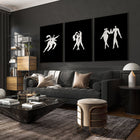
- Focus on large prints or framed wall pictures for living room spaces
- Consider wall panels for texture and depth without high cost
Bedroom
- Recommended budget: £50–£200
- Use soothing colours and smaller compositions
- Calming scenes or abstract prints work best
Hallways and Entryways
- Recommended budget: £50–£150
- Avoid clutter — opt for streamlined framed prints or wall panels to add interest


What Common Mistakes Should I Avoid with My Wall Art Budget?

One common mistake is underestimating the overall cost of wall art — including framing and accessories — instead of just the artwork itself. This leads to a stretched wall art budget and incomplete projects.
Common Pitfalls
- Buying art that is too small or too big for the wall size
- Ignoring framing costs or assuming cheaper frames won't affect the look
- Purchasing too many pieces too quickly, creating a cluttered, disjointed look
- Choosing wall art without considering room colour and lighting
Practical Advice
- Measure walls carefully and decide on the focal point before buying.
- Include framing in your wall art budget from the start.
- Plan your collection gradually — invest more in statement pieces, then add supporting art.
- Test colours and styles with mood boards or physical swatches before committing.

For more inspiration, take a look at our living room decor range and explore interior design concepts for more helpful ideas. You can also discover our full range of unique wall art and browse our unique home decor blog for further reading. For a wider perspective, the Spruce's DIY wall art guide is a great companion resource.
WATCH 10 DIY Projects to Make Your Home Look Amazing
Key Takeaways:
- Match art size to room scale — small rooms £50–£150, medium rooms £150–£350, large rooms £400+.
- Always include framing in your budget — it can add 30–60% to the total cost.
- Splurge on statement pieces, save on secondary prints — mix both for a curated look.
- Tailor your budget room by room — invest most in the living room, keep bedrooms and hallways modest.
- Plan gradually — rushing leads to mismatched art and wasted budget.