

Solving Extra Large Wall Art placement anxiety where and how to hang
por Mae Osz en Aug 12, 2025
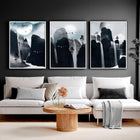
Art can truly transform your home, but placing Extra Large Wall Art can sometimes feel overwhelming. I’ve been there—wondering where to hang it so it looks balanced without overpowering the room. If you feel your confidence wobble every time you tackle a big piece, you’re not alone. In this post, I’ll share simple, practical tips to help you find the perfect spot for your Extra Large Wall Artand hang it with ease, so your space feels welcoming and beautifully styled.
List of contents
- Introduction
- Key Takeaways
Quick summary of the most important points to remember. - Overcoming the Fear of Large Wall Art
Understanding the emotional hesitation and how to build confidence with trial layouts. - Identifying Your Personal Style and Preferences
Discovering what types of large wall art resonate with your personality and home. - Understanding the Emotional Impact of Art Choices
How colours, themes, and subjects affect mood and atmosphere. - The Art of Placement: Where to Hang Your Masterpieces
Matching artwork to room function, flow, and energy. - Assessing Room Dimensions and Layout
Measuring walls and considering architectural features for optimal positioning. - Incorporating Height and Eye-Level Considerations
Guidelines for ideal hanging height and adjustments for ceiling and furniture. - Creating a Cohesive Look: Pairing Large Art with Other Elements
Styling tips for balancing artwork with furniture, decor, colour, and themes. - Balancing Large Art with Furniture and Decor
Choosing the right scale, textures, and materials for harmony. - Using Colour and Themes to Enhance Aesthetics
How to echo colours and motifs throughout the room. - Practical Tips for Hanging Large Art Securely
Wall types, fixings, and safety considerations. - Tools You’ll Need for a Flawless Installation
Essential tools and helpful gadgets. - Techniques for Ensuring Proper Alignment
Step-by-step tricks for straight, balanced hanging and spacing between multiple pieces. - The Final Touch: Styling Around Your Art
Accessorizing thoughtfully to complement rather than compete. - Accessories That Complement Your Artwork
Choosing frames and decor that enhance your large wall art. - Updating Your Space: Seasonal Changes and Refreshes
How to refresh styling around your artwork with the seasons. - Final Words
Encouragement, summary, and next steps for confident large art placement.
Key Takeaways:
- Large Wall Art works best when balanced with surrounding furniture and room size to avoid overwhelming the space.
- Begin by measuring both your wall and the artwork to find the ideal height and positioning before making any holes.
- Consider grouping multiple pieces or using a statement piece to create a focal point that complements your existing decor.
- Lighting can enhance the impact of your large wall art, so explore natural and artificial options for the perfect display.
- Trial layouts with paper templates or digital tools help visualise placement and reduce anxiety about hanging large wall art directly on the wall.
Overcoming the Fear of Extra Large Wall Art
Large wall art can feel overwhelming to place, often leaving you hesitant to commit. I've spoken with many who worry that a big piece will dominate the room or simply not suit their space. However, tackling this fear starts by understanding that Extra Large Wall Art brings drama and character when chosen wisely. Instead of shrinking away, imagine how a thoughtfully placed piece can anchor your room and become a conversation starter.
One way I like to quiet those nerves is by testing different arrangements using temporary methods before making a final decision. For example, taping paper cutouts that match the artwork’s dimensions onto the wall helps visualise its impact. This quick trick often boosts confidence and eases uncertainty. After all, stepping into your space and seeing the art there — even if temporarily — paints a clearer picture than any online image.

Identifying Your Personal Style and Preferences
Have you noticed how your taste in art reflects your personality? When dicking out Extra Large Wall Art, I find that tuning into your personal style is the best starting point. Whether you lean towards bold, colourful abstracts or serene landscapes, trusting your preferences guides you towards pieces that feel like an extension of yourself. Maybe you love muted earth tones paired with minimalist designs, or perhaps vibrant patterns energise your décor. Recognising these subtleties helps eliminate doubt.
If you’re unsure about your style, collect images or create a Pinterest board featuring artwork that speaks to you. I sometimes suggest this exercise to clients because it reveals consistent themes and colours they naturally gravitate towards. This not only makes choosing Extra Large Wall Art less intimidating but also ensures the piece complements your home's existing vibe and adds harmony.
 SHOP HERE
Understanding the Emotional Impact of Art Choices
Art is more than decoration; it carries emotion and energy that transforms the feel of a room. When choosing Extra Large Wall Art, I encourage you to think about the mood you want to create. Calm blues and soft pastels tend to bring relaxation, whereas fiery reds or high-contrast imagery can energise and inspire. Your selection impacts you daily, shaping your mental space just as much as your physical one.
Consider a client I worked with who chose a large botanical print for their living room. The lush greens and gentle natural scenes helped cultivate a peaceful sanctuary after long workdays. This kind of emotional connection brings satisfaction, making the artwork feel like more than just an object on a wall. It becomes an integral part of wellbeing in your home.
Beyond colour, the subject matter and style profoundly affect how you feel. Abstract art invites interpretation and sparks curiosity, while figurative or landscape pieces often offer comfort through familiarity. Reflecting on how a particular piece makes you feel when you look at it can guide you towards artwork that not only beautifies but also nurtures your spirit.
The Art of Placement: Where to Hang Your Masterpieces
Deciding where to hang large wall art can feel overwhelming, but focusing on your room’s unique features helps the process flow naturally. I often begin by considering how each artwork complements the room’s function and energy. For instance, a vivid abstract painting might energise a living room, while a serene landscape suits a bedroom. Thinking about the type of atmosphere you want to create guides the placement and ensures your large wall art becomes an integral part of your décor rather than just a decorative afterthought.
Another aspect involves balancing empty space with the size of your art. Large wall art often needs breathing room to shine, so avoiding overcrowding is vital. Grouping several pieces too tightly risks overwhelming the eyes, especially in smaller rooms. I suggest giving your masterpiece some negative space around the edges—it’s as if the wall art is relaxing in its natural habitat, inviting you to take it all in without distraction.

Assessing Room Dimensions and Layout
Measuring your walls precisely before hanging large wall art cannot be overstated. I recommend using a tape measure to note width and height, paying attention to architectural features like windows or radiators that limit your options. For example, a long horizontal piece often works best above low furniture such as sofas or dressers, while tall vertical artworks can accentuate narrow spots like hallway walls.
Next, consider the room’s layout and how people move within the space. If your living room funnels guests between the sofa and armchairs, hanging a commanding large wall art opposite that flows naturally draws attention and creates a focal point. Conversely, placing oversized pieces in cluttered corners can feel intimidating, so positioning should feel inviting rather than obstructive.

Incorporating Height and Eye-Level Considerations
Eye-level placement transforms your large wall art from mere decoration into a visual conversation. I usually hang artwork so that its centre sits roughly 145–150 cm from the floor, which tends to align with the average eye height in UK homes. This practice helps artworks feel welcoming and accessible rather than distant or overpowering. Still, adjustments might be necessary—for example, if a piece hangs above a low mantel or console, lowering it slightly allows viewers to connect more intimately with the image.
Additionally, ceiling height plays a bigger role than many anticipate. Higher ceilings encourage placing large wall art at slightly higher points because walls stretch upward, creating vertical space. In those rooms, hanging the artwork with a bit of breathing room above furniture or eye level can expand the room’s sense of openness, allowing the art to “float” in harmony with the room’s scale.
Keep in mind that furniture arrangements influence where your artwork lives on the wall. Pieces above seating generally look best when centred horizontally and placed just above head height when sitting. By respecting these height and eye-level guidelines, your large wall art will naturally settle into the room’s rhythm, inviting both admiration and calm.
Creating a Cohesive Look: Pairing Extra Large Wall Art with Other Elements
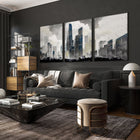
When working with Extra Large Wall Art, the rest of the room’s design needs to support and complement its presence. I’ve often found that pairing bold pieces with thoughtfully chosen furniture and decor can create harmony, rather than overwhelm. Achieving this balance means thinking beyond the artwork alone—it’s about how textures, finishes, and shapes interact in the space. For example, a striking abstract canvas can be beautifully offset by natural wood furniture and soft textiles, grounding the visual impact with warmth and tactility.
Sometimes, less is more when pairing large artworks. I personally like to avoid overcrowding the wall with too many competing pieces, opting to let one significant statement work its magic. Simple, well-placed accessories—such as a sculptural vase or a delicate table lamp—can frame the art and provide gentle visual continuity without stealing focus. Experimentation helps too; try relocating smaller decor items or shifting furniture placement slightly to find that perfect equilibrium where everything feels unified and inviting.

Balancing Large Art with Furniture and Decor
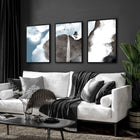
Choosing furniture to complement Extra Large Wall Art involves more than matching colours. Scale plays a massive role — a grand piece demands substantial furnishings nearby or enough negative space to give it breathing room. For instance, a long sofa or a wide console table under a large canvas creates a natural base that anchors the artwork, preventing it from seeming like it’s floating in mid-air. Conversely, a small chair or side table might get lost or feel disconnected in the same setting.
Texture and material choices can also balance the visual weight. A sleek modern print might pair well with metal or glass furniture, inviting a clean, contemporary vibe. In contrast, large pieces featuring natural scenes or earthy tones often thrive alongside chunky knit throws, jute rugs, or rustic timber features. This mix softens the impact and makes the room feel cosy, calm, and intentional. If you’re unsure, playing with fabric swatches and small decor items near the artwork before committing can save you from trying to fix design imbalances later.
Using Colour and Themes to Enhance Aesthetics
One of the easiest ways to build cohesion around large wall art is by drawing on its colour palette and themes elsewhere in the room. I love picking up subtle hues on cushions, rugs, or ceramics to echo key shades from the artwork. This creates a quiet echo that guides the eye and makes the styling feel thoughtful rather than accidental. For example, a sky-blue abstract painting might inspire soft blue cushions or a vase placed on a nearby shelf, gently threading colour throughout the space.
When dealing with thematic elements—whether nature-inspired, urban scenes, or geometric abstracts—layering complementary motifs can add depth without competing. Suppose your large piece features botanical imagery; incorporating leafy plants or organic shapes in your fixtures can reinforce the calm, natural mood. Meanwhile, geometric artwork might be accentuated with angular lighting or patterned throws, enhancing the dynamic energy without causing visual noise. This kind of synergy invites mindfulness, making the room more than just visually pleasing—it becomes a sanctuary that reflects your personal style.

Lighting also plays an important role here, highlighting colours and textures within the artwork and the adjoining decor. Soft, warm lighting encourages intimacy and calm, especially if your art carries muted or natural tones. On the other hand, brighter lighting might spotlight vibrancy, making bold colours pop. I often adjust the brightness of my lamps or add directional spotlights near large pieces to suit different moods and times of day, giving the space flexibility and personality.
Practical Tips for Hanging Large Art Securely
Handling large wall art requires careful planning to avoid accidents and ensure your artwork stays perfectly in place. First, assess the wall type you’re working with—plaster, drywall, brick, or concrete each demands a different fixing technique. For instance, solid walls like brick or concrete need heavy-duty anchors, while drywall often allows for robust toggle bolts or picture hangers. Using the right fixings protects both your walls and your valuable art from damage.
Before you lift the piece, get a helper to ease the process. Large pieces can be heavy and awkward, making it easy to drop or knock walls. Balancing the frame evenly on two hooks or a sturdy rail can spread weight across the wall, reducing strain on any one point. Also, bear in mind that a frame’s hanging hardware—like D-rings, wire, or cleats—needs to be strong and well-attached. Knowing these details helps you stay confident about your large wall art installation, leading to a safer and neater finish.

Tools You’ll Need for a Flawless Installation
Gathering the right tools saves plenty of frustration. Start with a quality spirit level—you’ll want your large wall art to hang perfectly straight to please the eye. A tape measure helps you position the piece at the right height and distance from surrounding decor. For marking drill spots, pencil marks are best since they erase easily without damaging the wall.
Drill drivers and screwdrivers will be your power tools, but lightweight hammer and pliers may come in handy. Also, don’t overlook wall anchors and screws suited exactly to your wall type and the weight of the artwork. I always keep handy a stud finder and a helping hand to provide extra assurance during the hanging process. These tools together make a flawless installation feel much easier and more professional.
Techniques for Ensuring Proper Alignment
Achieving perfect alignment for your large wall art makes all the difference to the room’s overall harmony. One trick I use involves temporarily taping the frame onto the wall with painter’s tape. This approach lets you step back and view the piece’s placement before drilling. It’s easier to adjust or reposition without leaving holes behind.
Another method relies on marking the hanging points directly on the wall, factoring in the hanging hardware’s distance from the top of the frame. Use a spirit level to draw a faint horizontal line where the top will sit. Then measure down from this line according to the hanger’s position on your artwork.
Knowledge of precise measurements and visual balance turns what can feel like a guessing game into a confident endeavour. These little steps are what I count on to ensure your large wall art stays aligned, enhances your space, and avoids any crooked mishaps.

Moreover, when working with multiple pieces, consider spacing to create either a gallery wall or a balanced focal feature. Spacing between artworks typically ranges from 5 to 15 cm, depending on the size and room layout. I often find sketching out the layout on paper gives me clarity before making any wall marks, saving time and effort.
The Final Touch: Styling Around Your Art
Once you’ve mastered the placement of your large wall art, styling around it can truly elevate your space. Rather than letting the artwork simply hang alone, surrounding it with carefully chosen elements can balance the room’s visual weight and enhance the overall vibe. I often suggest starting with simpler pieces nearby, like streamlined furniture or subtle lighting, so the art remains the star without overwhelming the room. For a calming scheme, pairing your large piece with neutral-toned furnishings helps create a sanctuary-like atmosphere that invites relaxation.
Additionally, consider how textures and shapes interact with your large wall art. Introducing soft textiles—think cushions, throws or rugs—nearby adds warmth without detracting from the picture. You could even experiment with mirrors or metallic accessories that catch the light differently and offer contrast. When I styled my own living room, placing a simple oak side table beneath a statement canvas helped ground the piece beautifully, making the entire corner feel intentional and inviting at once.
Accessories That Complement Your Artwork
Accessories should never compete but instead enhance your large wall art. For example, if your artwork features cool blues and greens, introducing accessories in complementary shades like soft greys, pale blush, or sandy beige can tie the area together gently. I’ve found that delicate ceramics, minimalist vases, or subtle botanical elements add interest and personality without clutter. Avoid overly ornate or brightly coloured items that might distract from the central piece; instead, aim for understated elegance that supports your chosen artwork’s mood.
Frames, too, play a significant role in how your large wall art integrates with other décor. Sometimes, matching frame materials with other furniture or decorative objects works wonders to create cohesion. For instance, a slim black frame can echo metal table lamp bases for a sleek urban feel, while natural wood frames compliment rustic or Scandinavian interiors. Whenever I assist friends with arranging their wall art, I encourage them to gather a few accessories from around their home first—then place the art and accessories together before finalising the layout.
Updating Your Space: Seasonal Changes and Refreshes
Refreshing your wall art styling with the seasons is a delightful way to keep your home feeling fresh and connected to nature. Swapping out cushions, throws, or rugs near your large wall art can alter the mood subtly but effectively. For autumn, I like to lean into warm colours like burnt orange and mustard near more neutral art, while spring invites lighter, airier accessories—think fresh florals or gentle greenery. Even rotating smaller artworks or frames around your large piece can refresh the energy, making your surroundings feel dynamic without major expense.
I often recommend giving your walls a thoughtful seasonal check-in every few months. Moving or layering textiles and accessories in response to the changing light through your windows makes rooms feel more nurturing. This continual, easy update invites mindfulness while preventing your large wall art from feeling static. Over time, these small additions transform your space into a true reflection of the cycles and rhythms of your lifestyle.

Keeping seasonal styling in mind means pairing your large wall art with updates that complement both mood and environment. Whether it’s adding a cosy woollen throw for winter or a fresh woven basket for summer plants, these touches help create harmony between your artwork and the life you live every day.
Final Words
Drawing together everything we've discussed about large wall art placement, I know how daunting it can feel to hang such bold pieces in your home. You want to make sure your artwork complements your space, reflects your style, and brings a sense of calm to your surroundings. Trust me, with a little planning and creativity, you can turn those oversized walls into stunning focal points without any guesswork or frustration. If you’re looking for more practical advice, I highly recommend checking out these stress free wall art hanging tips—they really helped me find confidence in choosing just the right spot for my favourite pieces.
Your large wall art deserves to shine, and your home deserves to feel like a peaceful retreat. Take your time, play with arrangements, and trust your instincts to create an environment that feels just right. I hope you feel inspired to transform your walls into beautiful expressions of your personality and tranquility. If I can help you in this process, just let me know—I’m excited to hear how you bring your space to life.