

Understanding Art and Wellbeing: Impact and Insights
por Mae Osz en Oct 08, 2025
Have you ever thought about the connection between Art and wellbeing and how deeply it can shape your life?
While a painting or print on your wall might look like simple decoration, the impact goes far beyond appearances.
Research shows that engaging with creativity can actually lower stress hormones and, in some cases, even reduce GP appointments and hospital admissions by up to 37 %.
The real magic lies in how art activates powerful areas of the brain, creating a fast track to emotional healing, relaxation, and even long-term psychological growth.
Table of Contents
- The Relationship Between Art And Wellbeing
- The Psychological Benefits Of Engaging With Art
- How Art Facilitates Emotional Expression And Healing
- Art In Workspaces And Homes: Creating Positive Environments
- Real-Life Examples Of Art Enhancing Wellbeing
Quick Summary
| Takeaway | Explanation |
|---|---|
| Art encourages emotional healing | Engaging with art helps process complex feelings and promotes emotional regulation, allowing for deeper introspection and healing. |
| Art reduces stress and anxiety | Active engagement with art stimulates relaxation and lowers cortisol levels, contributing to reduced emotional distress and enhanced wellbeing. |
| Art fosters social connections | Artistic experiences create opportunities for community engagement and cultural understanding, enhancing relationships and social networks. |
| Intentional art design transforms spaces | Carefully selected artwork in environments can promote calm, creativity, and emotional balance, positively impacting mental health. |
| Art as a therapeutic intervention | Integrating artistic activities in healthcare can improve patient outcomes, offering a powerful alternative to traditional treatment methods for various conditions. |

The Relationship Between Art and Wellbeing
Art is far more than a visual experience – it represents a powerful mechanism for emotional healing, psychological growth, and personal transformation. The intricate relationship between art and wellbeing goes beyond aesthetic appreciation, touching deep psychological and neurological processes that profoundly impact human mental and emotional health.
Psychological Mechanisms of Art Engagement
When individuals engage with art, complex neurological and psychological interactions occur. Research from the Mental Health Foundation reveals that artistic experiences stimulate neural pathways associated with emotional regulation, stress reduction, and self-expression. Our brains respond to visual stimuli by releasing neurotransmitters like dopamine and serotonin, which directly influence mood and emotional states.
The table below summarises the core psychological mechanisms triggered by artistic engagement, offering a clear comparison of their features and impacts.
| Mechanism | Description | Benefits |
|---|---|---|
| Emotional Processing | Non-verbal exploration and understanding of complex emotions | Improved emotional awareness and ability to process feelings |
| Stress Reduction | Visual engagement lowers cortisol and promotes relaxation | Decreased anxiety, enhanced relaxation, reduced emotional distress |
| Self-Reflection | Encourages introspection and personal insight through art | Greater self-awareness, personal growth, and psychological insight |
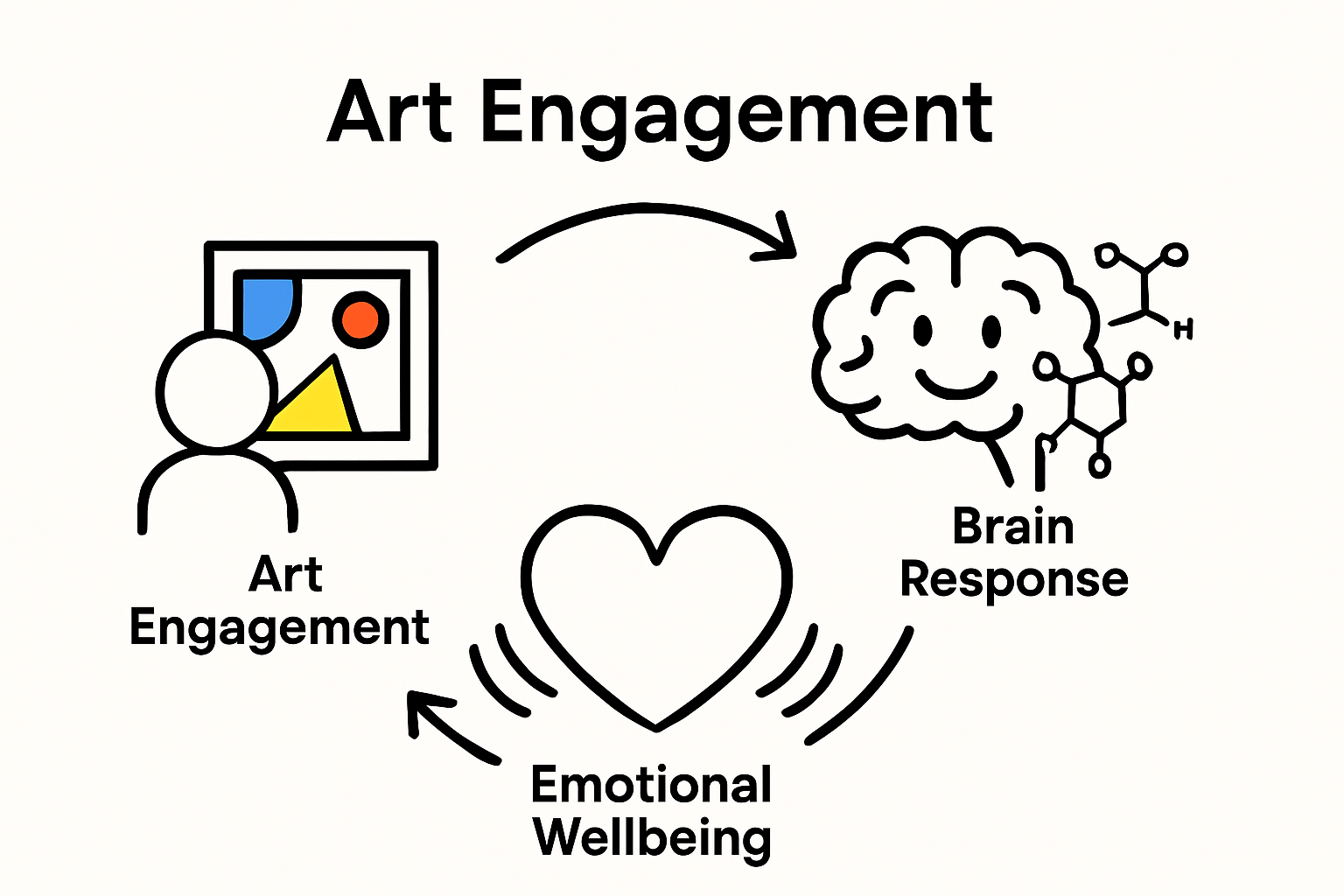
Key psychological mechanisms include:
- Emotional Processing: Art provides a non-verbal medium for exploring and understanding complex emotions
- Stress Reduction: Visual engagement with art can lower cortisol levels and promote relaxation
- Self-Reflection: Artistic experiences encourage introspection and personal insight
Holistic Impact on Wellbeing
The connection between art and wellbeing extends across multiple dimensions of human experience. Beyond individual psychological benefits, art creates opportunities for social connection, cultural understanding, and personal narrative construction. Our guide on mindful home decor explores how intentional art selection can transform living spaces into therapeutic environments.
Art’s holistic impact encompasses physical, emotional, and social wellness. By engaging with artistic expressions, individuals can develop enhanced emotional intelligence, reduce anxiety, and create meaningful personal narratives that support mental resilience. The transformative power of art lies not just in observation, but in active, intentional engagement with creative experiences that resonate with personal experiences and emotions.
The Psychological Benefits of Engaging with Art
Engaging with art provides profound psychological benefits that extend far beyond simple visual appreciation. Art serves as a powerful therapeutic tool, offering unique opportunities for emotional exploration, stress management, and personal growth. By creating or experiencing artistic expressions, individuals can unlock deep psychological mechanisms that enhance mental wellbeing and emotional resilience.

Emotional Regulation and Processing
Research from Queen Mary University of London demonstrates that artistic activities can significantly reduce symptoms of emotional distress. When individuals engage with art, they activate neural pathways that facilitate complex emotional processing, allowing for non-verbal expression of feelings that might be challenging to articulate verbally.
Key emotional regulation benefits include:
- Stress Reduction: Art creates a meditative space for tension release
- Emotional Awareness: Creative activities enhance understanding of personal emotional landscapes
- Psychological Distance: Artistic expression provides perspective on challenging experiences
Cognitive Enhancement and Personal Growth
Beyond emotional benefits, art engagement stimulates cognitive functions and promotes personal development. Artistic experiences challenge individuals to think creatively, develop problem-solving skills, and explore alternative perspectives. Our guide on mindful home decor explores how intentional artistic interactions can transform personal environments into spaces of psychological growth.
Cognitive benefits of art engagement encompass neuroplasticity, improved memory formation, and enhanced emotional intelligence. By regularly interacting with artistic expressions, individuals can develop more nuanced emotional understanding, increase self-awareness, and cultivate mental resilience. The transformative power of art lies in its ability to provide a unique, non-threatening medium for personal exploration and psychological healing.
How Art Facilitates Emotional Expression and Healing
Art represents an extraordinary language of emotional communication, transcending verbal limitations and providing a profound pathway for psychological healing. Through creative expression, individuals can explore, understand, and transform complex emotional experiences in ways traditional communication cannot achieve. This unique mechanism allows for deep introspection and emotional processing that supports mental wellness.

Non Verbal Communication and Emotional Release
Research from the NHS Healthcare Careers highlights how art therapy enables individuals to communicate feelings that might be challenging to articulate verbally. By engaging in artistic activities, people create a safe external representation of internal emotional landscapes, allowing for therapeutic exploration and potential resolution of unprocessed experiences.
Key aspects of emotional expression through art include:
- Symbolic Representation: Converting abstract emotions into tangible visual forms
- Emotional Distance: Creating psychological space between personal experiences and current perspective
- Unconscious Communication: Revealing underlying emotional states through creative expression
Therapeutic Mechanisms of Artistic Healing
Artistic engagement activates complex neurological and psychological processes that support emotional regulation and healing. Our guide on mindful home decor explores how intentional artistic interactions can transform personal environments into spaces of psychological restoration.
The healing potential of art lies in its ability to provide a non threatening medium for exploring difficult emotions. By externalizing internal experiences, individuals can gain perspective, process trauma, and develop more adaptive emotional responses. Art becomes a powerful tool for self discovery, enabling people to navigate complex emotional terrain with creativity, compassion, and resilience.

Art in Workspaces and Homes: Creating Positive Environments
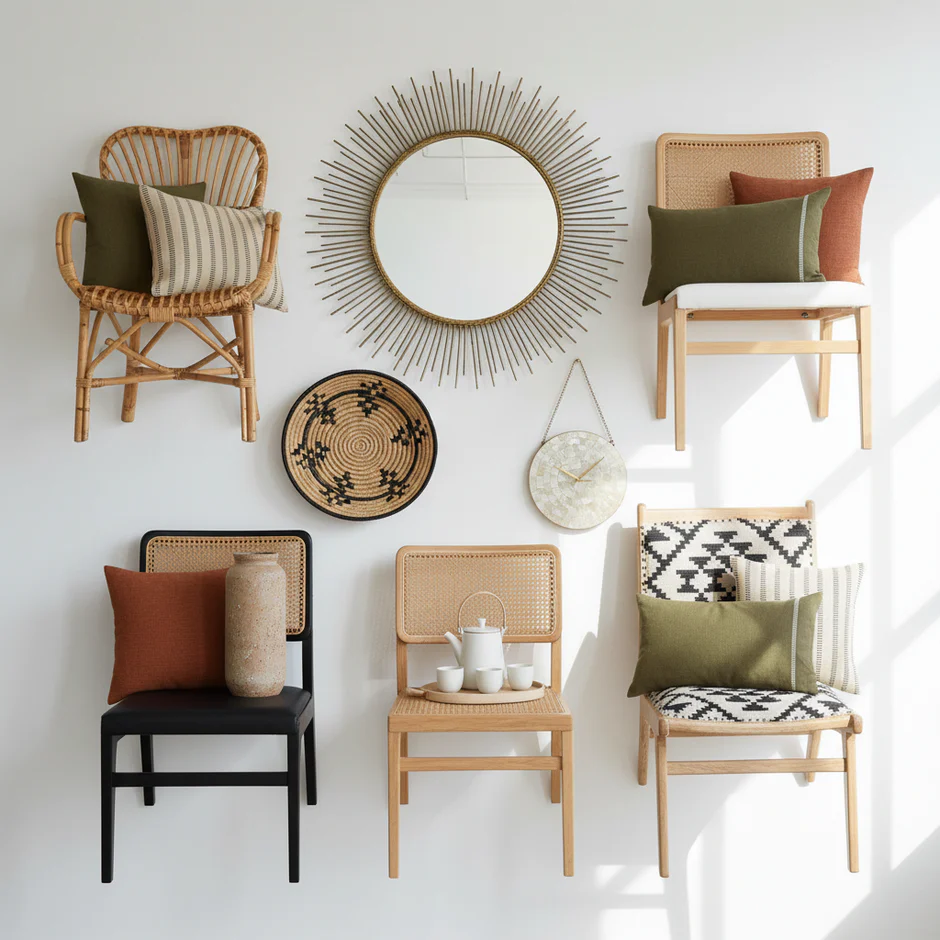
Environmental design has emerged as a powerful strategy for enhancing psychological wellbeing, with art playing a transformative role in shaping spaces that nurture mental health and emotional balance. By thoughtfully integrating artistic elements, individuals can create environments that promote creativity, reduce stress, and support overall psychological resilience.

Psychological Impact of Environmental Aesthetics
Research from the UK Government’s National design Guide emphasizes the critical connection between design and human experience. Art within spaces acts as more than mere decoration, functioning as a powerful psychological intervention that influences mood, cognitive performance, and emotional regulation. Strategic placement of artwork can modify environmental perception, creating atmospheres that encourage relaxation, inspiration, and personal reflection.
Key environmental design principles include:
- Visual Harmony: Creating balanced visual landscapes that reduce cognitive overwhelm
- Emotional Resonance: Selecting artwork that connects with personal or collective emotional experiences
- Spatial Transformation: Using art to alter perceived space and emotional temperature
Designing Intentional Healing Environments
Our guide on daily mindfulness practices explores how deliberate artistic choices can transform living and working spaces into sanctuaries of psychological restoration. Art serves as a dynamic tool for environmental programming, enabling individuals to curate spaces that actively support mental wellness.
By understanding art’s profound environmental influence, people can intentionally design spaces that nurture psychological health.

Whether in home offices, living rooms, or professional workspaces, thoughtfully selected and positioned artwork becomes a silent yet powerful agent of emotional support, creating environments that inspire, calm, and rejuvenate the human spirit.
Real-Life Examples of Art Enhancing Wellbeing
While theoretical discussions about art and wellbeing are compelling, real-world applications demonstrate the profound psychological and physiological transformations possible through artistic engagement. Tangible examples from diverse settings reveal how creative experiences can dramatically improve mental health, social connections, and personal resilience.
Healthcare and Therapeutic Interventions
Research from the UK Government’s Culture White Paper highlights innovative programs that integrate art into healing processes. The ‘ArtLift’ initiative in Gloucestshire represents a groundbreaking approach, offering Arts on Prescription services that significantly reduced GP consultations and hospital admissions. By prescribing creative activities as part of treatment, healthcare professionals discovered a powerful alternative to traditional medical interventions.
Key therapeutic art interventions include:
- Dementia Care: Visual arts programs improving patients’ quality of life
- Pain Management: Creative activities as complementary treatment strategies
- Psychological Recovery: Art as a tool for emotional processing and healing
Community and Personal Transformation
Our guide on mindful home practices explores how artistic engagement can transform individual experiences. Beyond formal healthcare settings, art creates remarkable opportunities for personal growth, community connection, and emotional resilience.
These real-world examples demonstrate that art is not a luxury but a fundamental mechanism for human healing and development. Whether through structured therapeutic programs or spontaneous creative experiences, artistic engagement offers a universal pathway to improved psychological wellbeing, transcending age, background, and individual circumstances.
This table compares the main ways art is used within therapeutic and community settings to support wellbeing, highlighting the clear distinction between healthcare interventions and wider community impact.
| Setting | Approach Used | Main Outcomes |
|---|---|---|
| Healthcare (e.g. ArtLift) | Arts on Prescription | Reduced GP appointments and hospital admissions, enhanced recovery |
| Dementia Care | Visual Arts Programmes | Improved quality of life and emotional engagement |
| Pain Management | Creative Activities | Complementary strategy for pain reduction and coping |
| Community Transformation | Spontaneous Creative Activity | Strengthened social connections, increased resilience and wellbeing |
| Personal Use | Mindful Artistic Engagement | Personal growth, enhanced emotional intelligence and resilience |
Transform Your Space and Elevate Your Wellbeing with Art
Have you ever noticed how a thoughtfully chosen piece of art can shift the mood of a room or lift your spirits after a stressful day? The article “Understanding Art and Wellbeing: Impact and Insights” highlights profound findings on how visual art supports emotional healing, stress reduction, and personal growth. Many readers, like you, are searching for ways to translate these insights into their everyday environments. Turning your home or workspace into a place of recovery and inspiration is not just a dream. It is entirely within reach with the right wall art solutions.
Discover the power of curated art by visiting About Wall Art where every collection is designed to foster positive emotions and transform ordinary settings into restorative sanctuaries. If you want to harness the psychological benefits referenced in our home decor mindfulness guide, there is no better time to get started. Explore our full selection of wall art today and take the first step towards a healthier, happier space. Make your wellbeing a priority with art that makes a real difference.

More About
For more scientific insight into the connection between creativity and health, explore:
“Arts and Health: Evidence-Based Benefits of the Arts” – World Health Organization — a detailed WHO report on how artistic activities improve physical and mental wellbeing across diverse populations.
Pro Tips
To deepen your understanding and bring art’s wellbeing benefits into your own spaces, check out these related blogs from the About Wall Art Content Hub:
-
How to use decor to improve daily habits – Learn how specific artworks can help you relax and stay centred.
-
The new neutrals trend: Beyond beige modern wall arts – Tips on designing tranquil spaces with the right art.
-
Zen Decor Ideas: Calm & Serenity in Your Living space – Practical ideas for making your home a wellbeing sanctuary.