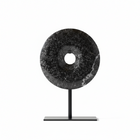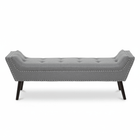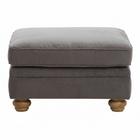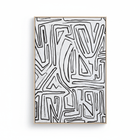


Have you ever thought about how a living room decor wall could completely change the way your space feels?
It’s not just about adding pretty things to the walls—it’s about creating a mindful, calming environment that invites you to slow down and truly enjoy your home. I’ve helped so many people transform their living rooms into cosy retreats simply by curating one wall with soft colours, natural textures, and meaningful art. Done well, slow living room decor becomes more than a style—it’s a daily reminder to pause, breathe, and savour the little moments.
Take Sarah, a client of mine from Kent, who transformed her lounge by dedicating one wall solely to soft landscapes and abstract art in earthy tones. She noticed that coming home felt less cluttered, almost like a gentle retreat. This illustrates how the slow living room decor wall can help reduce mental clutter and create harmony in busy households. It’s about choosing quality over quantity—highlighting a few meaningful pieces rather than flooding your walls. I often find that introducing natural textures, minimalistic frames, and artwork that evokes peace makes a subtle but powerful impact on how a room feels overall.
Key Takeaways:
- Living room decor wall should foster calm and balance, using soft colours and natural materials to promote relaxation.
- Incorporate simple, meaningful artwork that encourages mindfulness and a sense of presence in your living space.
- Layer textures and lighting gently to create warmth without overwhelming the senses on your living room decor wall.
- Choose pieces that reflect your personality and lifestyle to make the wall a genuine expression of slow living values.
- Use thoughtful spacing and uncluttered arrangements to maintain openness and a peaceful flow across your living room decor wall.
Creating a Calming Aesthetic
Crafting a living room decor wall that invites calm starts with how the space feels overall. I always think of it as composing a gentle melody—every colour, texture, and art piece must harmonise to soothe the senses. When you walk into a room that’s been thoughtfully arranged, you sense a quiet confidence, a feeling that everything is just right. This sense of peace is what makes a slow living room decor wall so special. It’s not about filling every space but about choosing fewer, better things that bring joy and calm. Think of classic living rooms that exude comfort: they often feature soft lighting, natural elements, and art that reflects mindfulness rather than chaos.
Adding that calming aesthetic requires an understanding of how colours and textures influence mood. For example, a well-chosen colour palette can enhance tranquillity and give your living room decor wall a gentle whisper of serenity. Meanwhile, textures like linen, wood, or woven fibres create subtle sensory contrasts that invite you to touch, relax, and settle into the space. I've found that layering these elements creates a multidimensional environment that doesn’t overwhelm but rather encourages you to breathe deeply and unwind. Personal touches in your wall art, such as serene landscapes or abstract soft forms, deepen this calming atmosphere and remind you to slow down.

Choosing the Right Colour Palette
Soft, muted colours work wonders for a calming living room decor wall. Shades like pale blue, sage green, gentle greys, or warm beige have a natural ability to quiet the mind and balance the room without overpowering it. I often suggest using these colours as a base, then adding subtle contrasts through your wall art or soft furnishings to give the eyes places to rest and explore. For instance, a collection of muted botanical prints mounted on a calming toned wall creates a peaceful but evocative energy. The idea is to cultivate a feeling of comfort and ease—nothing too loud, nothing too bold.
Adding earthy tones like terracotta or soft ochre can also introduce warmth while keeping the mood grounded. These colours often resonate with natural materials in your home, such as wooden frames or woven baskets, thus tying your decor together cohesively. Balancing cool and warm tones subtly invites you to linger longer, enhancing the relaxing vibe of your living room decor wall.

Selecting Textures That Inspire Peacefulness
I believe textures are a silent but powerful ingredient in transforming your living room decor wall into a sanctuary. Incorporating tactile elements like raw wood, gently brushed linen, or soft cashmere adds depth without distraction. For example, a linen wall hanging or a framed piece with textured paper invites touch and groundedness, making the wall feel alive, not flat. The contrast between smooth ceramic vases and rough-hewn wooden frames can engage the senses in a gentle, inviting way—this layering encourages a slow and mindful interaction with your space.
When I’m choosing textures, I like to mix natural fibres with subtle man-made elements that feel soft to the touch but are practical to maintain. Sheer voile curtains combined with a handwoven jute rug can create a balance that supports both the visual and physical comfort of the room. These elements don’t shout for attention but instead work quietly, pulling the whole room into a cocoon of calm. Moreover, textures play beautifully with natural light throughout the day, adding dimension and warmth to your living room decor wall.
Texture also works hand in hand with your wall art to enhance tranquillity. Pieces featuring subtle embossing or canvases with rough brushstrokes invite the viewer to pause and absorb the detail, transforming your living room decor wall into a tactile experience. Considering how these surfaces feel and how they interact with light adds an extra layer of mindful design that truly nurtures the soul.

A Living room decor wall art as a Reflection of Mindfulness
Wall art in a living room decor wall can transform a space by inviting mindfulness into daily life. I often find that pieces which evoke calmness or simplicity naturally encourage me to pause and appreciate the moment. Choosing artwork that resonates on a personal level helps create not just a visual focal point but a sanctuary for the senses. When you select art that reflects mindfulness, it becomes more than decoration—it becomes a reminder to slow down and breathe amid life's rush.
Some of my favourite calming artworks feature natural elements—soft landscapes, gentle water scenes, or abstract forms in muted colours. These designs tend to induce a meditative state simply by being present in the room. That effect supports the entire purpose of designing a dedicated slow living space. The living room decor wall becomes an anchor for mindful habits, subtly calling you back to peace whenever you glance at it.
Finding Wall Art that Speaks to You
When opting for a living room decor wall piece, I always encourage looking beyond trends. What truly matters is how the art makes you feel. You might be drawn to serene abstracts or nature-inspired prints with soft colour palettes that soothe your mind. Take your time to explore galleries or online collections, and notice which pieces catch your eye repeatedly. Those will likely be the ones that can become a meaningful part of your slow living space.
For example, I recently helped a friend pick artwork featuring delicate botanical sketches in muted greens and greys. She shared how these pieces bring a sense of stillness to her room that no other decor could achieve. Similarly, you can sample different styles and observe how they affect your mood or energy over time, guiding you towards art that truly speaks to your sense of calm.

Balancing Visual Elements for Harmony
Creating a harmonious living room decor wall means balancing colours, shapes, and textures thoughtfully. I find that mixing large statement pieces with smaller, subtler artwork can prevent the room from feeling cluttered or overwhelming. For instance, pairing a large canvas with minimalist prints or photos arranged in a clean grid creates a rhythm that's restful to the eyes. Also, neutral backgrounds give your chosen artworks space to breathe, allowing colours and forms to stand out without competing.
Integrating natural materials like wood or linen in frames softens the overall aesthetic and ties wall art to other elements in your living space. This approach complements the slow living ethos by encouraging simplicity and meaningful detail rather than excess. Often, less really is more when it comes to achieving harmony on your living room decor wall.
Beyond visual setup, paying attention to scale and spacing can enhance harmony too. Too many pieces cramped together risk sensory overload, while sparsely arranged art may leave the wall feeling barren. A well-balanced arrangement maintains a comfortable flow, inviting the eye to linger and absorb each element fully. Think of your wall as a calm backdrop that supports relaxation and mindful presence in your living room.

Furniture and Layout for Serenity
The arrangement of furniture profoundly influences the atmosphere in your slow living room decor wall space. I’ve found that choosing pieces with clean lines and natural materials like oak or rattan instantly adds warmth and calm. Instead of crowding the room, it’s best to opt for fewer, more meaningful items. For example, a low-profile sofa paired with a softly textured wool rug can anchor the space beautifully. It creates a gentle flow that invites rest and mindfulness. You might incorporate a subtle yet elegant lounge chair, positioned to catch the natural light, encouraging quiet moments and connection with your surroundings.
Spacing matters just as much as the style. I like to leave generous walkways, avoiding tight corners or congested groupings. This breathability provides both physical and mental clarity. When you step into the room, nothing should overwhelm your senses—rather, the layout should gently whisper tranquillity. Because your slow living room is as much about function as aesthetic, a thoughtful layout ensures that every element supports your peaceful intentions. Whether you’ve got a generous size or a cosy nook, the overall aim is a harmonious balance between comfort and calm.

Arranging Your Space for Tranquillity
Turning your slow living space into a haven involves careful placement that encourages ease and relaxation. I always suggest starting with the largest pieces and arranging them in a way that fosters conversation yet allows for quiet retreat. For instance, positioning your sofa to face a striking living room decor wall creates a natural focal point, but avoid pushing it directly against the wall. Slightly pulling furniture away from the edges lends softness and invites movement around the room.
Next, think about layering textures and materials around your layout to enhance sensory comfort. Soft cushions, gently worn linen throws, and woven baskets bring tactile richness without clutter. Try to keep surfaces clear and minimal, but never stark—this subtle balance keeps your space inviting. In one case, a client of mine used floor cushions near a large bay window to create an intimate meditation corner, perfectly blending into the living room decor wall’s natural tones.
 Incorporating Functional Yet Beautiful Pieces
Functional furniture that doubles as art adds depth to your slow living room decor wall without sacrificing practicality. A well-designed coffee table with hidden storage, for example, can keep the room tidy while still showcasing elegant curves or organic wood grains. I’ve also seen sideboards crafted from reclaimed timber act as statement features, blending sustainability with style. Choosing pieces that serve a purpose but have sculptural qualities feels both conscious and deliberate.
I often recommend multi-use furniture when space is limited. Ottomans that open up for storage, or nesting tables that can be tucked away, keep the room flexible and free. The feeling of open space supports mindfulness, while beautiful craftsmanship ensures the room remains aesthetically rewarding. Your slow living room becomes a place where function and calm coexist effortlessly, encouraging you to unwind fully.
Beyond storage or occasional tables, incorporating pieces like an elegant bench or a classic bookshelf can subtly frame your living room decor wall. These elements add layers of interest and enhance the overall mood. A bench beside a window offers a cosy spot to pause, while a carefully curated bookshelf invites quiet exploration. Both elevate your décor while keeping practical needs in mind, striking a perfect balance between beauty and utility.

Natural Elements to Enhance Your Space
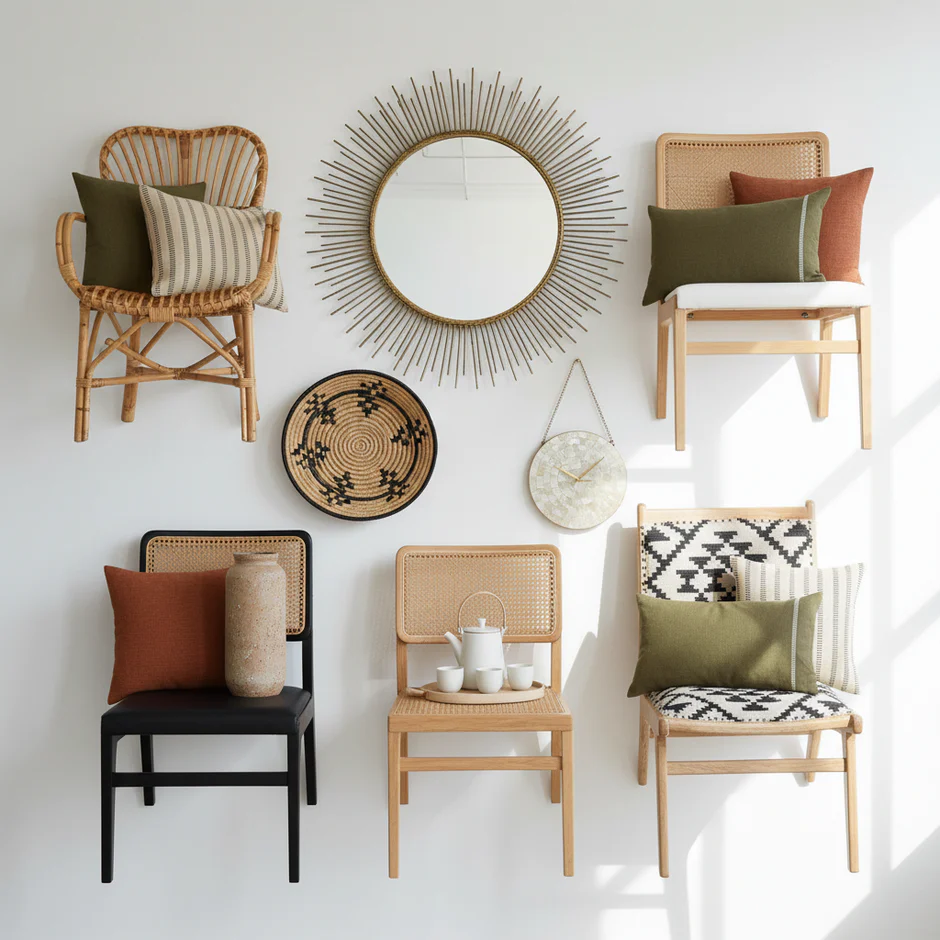
Introducing natural elements into your living room decor wall can shift the entire atmosphere, inviting calm and balance. Textures like stone, wood, and woven fibres bring a subtle warmth that contrasts beautifully with clean lines and modern furniture. For instance, pairing a framed botanical print with a wooden wall panel or a rattan mirror creates a tactile depth without overwhelming the senses. This kind of layering encourages a relaxed mood, making your space feel grounded and inviting.
Soft, earth-toned colour palettes also play a part here. Shades of terracotta, sage green, or soft clay on your wall art help create a sense of harmony and tranquillity. Meanwhile, materials sourced sustainably, such as reclaimed wood or natural dyes in textiles, add meaningful layers to your decor. Incorporating these elements thoughtfully can transform your living room into a sanctuary where nature’s quiet beauty blends seamlessly with your personal style.
Bringing the Outdoors In
There's something incredibly soothing about having a glimpse of nature inside your home. Bringing the outdoors in doesn’t just mean having plants; it involves integrating elements that evoke the essence of the natural world. I love using wall-mounted wooden shelves to display small pebbles, driftwood, or nature-inspired ceramics alongside framed landscape prints. This combination feels like carrying a little piece of the countryside into your living space.
Light also influences this connection to nature. Positioning your living room decor wall near windows maximises daylight, making natural elements glow and breathe life into the room. Even subtle touches, like curtains in linen or cotton, can make a difference by softening sunlight and encouraging a mindful, restful environment. Have you noticed how natural light changes throughout the day? It gives your living room a dynamic quality that’s almost meditative.

Using Plants and Natural Materials Effectively
Integrating plants into your living room decor wall brings more than just colour; it introduces texture, depth, and even fresh air. Varieties such as the fiddle leaf fig or snake plant add height and sculptural interest, directing the eye upwards and framing wall art beautifully. Placing trailing plants like pothos or string of pearls near shelves softens edges and creates a flow that feels effortlessly organic. With so many patterns and shades of green, plants offer endless opportunities to personalise your space while maintaining a slow living vibe.
Natural materials paired with plants amplify this effect. Textiles woven from jute or hemp, terracotta planters, and wooden frames resonate with plant life, strengthening the connection between indoors and outdoors. Using these elements together encourages a calm rhythm in the room. For example, a linen throw over a rattan armchair beside a cluster of small potted herbs brings quiet vitality to your living room decor wall, engaging your senses without clutter.
Even small adjustments can make a big impact here. For instance, choosing textured clay pots over glossy ceramics subtly highlights craftsmanship and earthiness. Mixing smooth and rough elements, like soft moss tucked into coarse bark trays, creates layers of interest that invite touch and appreciation. I find that these choices encourage a more mindful interaction with my space, turning daily moments into restful rituals.

Final Thoughts on Your Slow Living Room Transformation
Bringing a slow living room decor wall to life is about more than just choosing the right artwork—it’s about crafting a space that truly invites calm and presence. I’ve seen how even a single piece of thoughtfully chosen wall art can change the mood of a room, encouraging you to breathe a little deeper and pause a little longer. From soft nature-inspired palettes to minimalistic designs that celebrate negative space, the choices you make shape the atmosphere more than you might expect. For example, one client swapped out a busy gallery wall for a large, serene landscape that instantly transformed their lounge into a restful retreat, reducing visual noise and enhancing their daily mindfulness practice.
Moreover, balancing texture and light alongside your living room decor wall can amplify this sense of peacefulness. Consider layering natural materials like linen cushions, woven rugs, or wooden furniture near your wall art to create a gentle, tactile rhythm throughout the space. This attention to detail often offers subtle comfort we don’t realise we’re craving—especially after a stressful day. In my experience, a well-curated slow living room encourages more meaningful connections with those who share the space and fosters moments of quiet thought, meditation, or relaxation. In fact, many who’ve embraced this approach report feeling more centred and inspired at home, proving that your environment truly shapes your inner calm.

More About
If you’d like to explore even more ideas on how to embrace slow living room decor and create a space that nurtures calm, the team at The Good Trade – Guide to Slow Living has put together a wonderful collection of tips and inspiration. From mindful design choices to sustainable styling, their insights perfectly complement the ideas we’ve shared here, helping you craft a home that feels intentional, balanced, and deeply personal.
Pro Tips
Looking for more ways to bring calm and beauty into your home? Explore our Content Hub for slow living inspiration and wall styling ideas. Here are three articles you might love:
1. How to Use Wall Art to Create a Calming Home
Tips for choosing and placing wall art that transforms your home into a peaceful retreat.
2. Rustic Decoration for Home That Doesn’t Feel Dated
Learn how to add warmth and natural charm while keeping your home fresh and modern.
3. How to Effortlessly Mix and Blend Different Art Style Types in a Living Room
Discover how to combine different art styles harmoniously for a balanced, calming look.