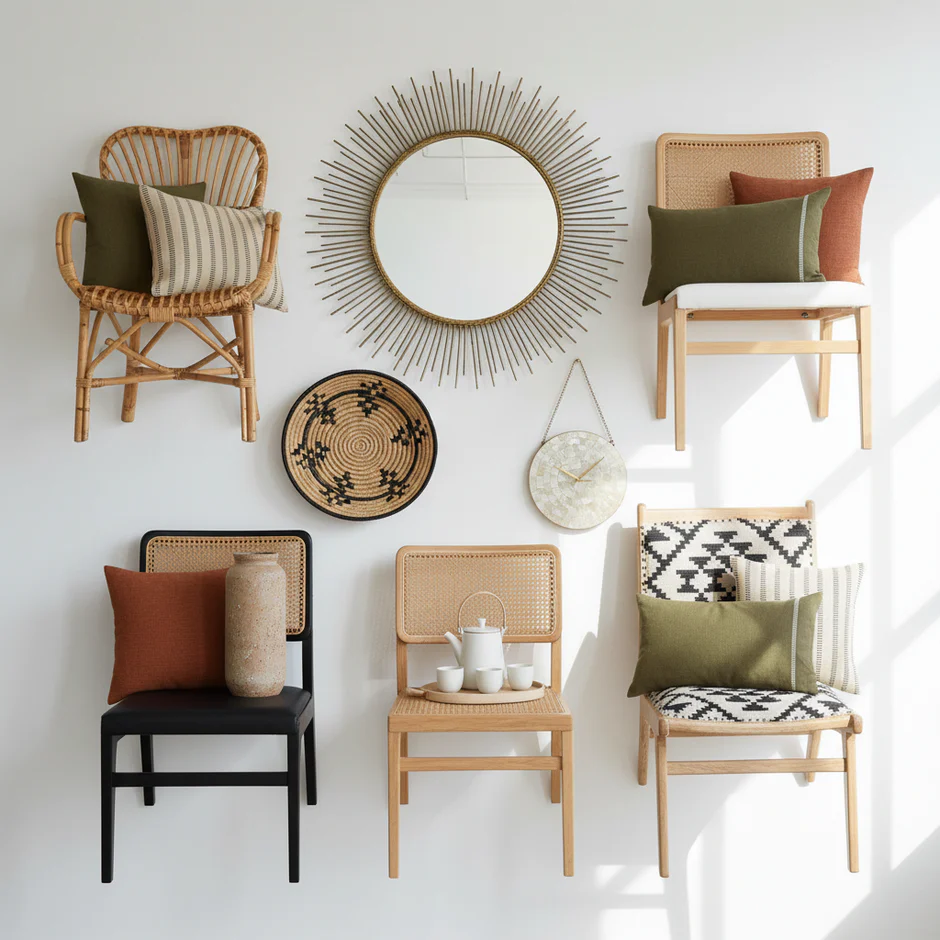
Have you ever walked into a room and felt instantly drawn to a piece of art, not just for what it depicts, but for how it feels? There's something uniquely captivating about texture art that transforms ordinary walls into tactile, multi-dimensional experiences. Unlike flat prints, textured artwork adds depth, movement, and a sensory element that completely changes how a space feels.
In my experience helping home décor enthusiasts discover the perfect finishing touches, I've seen how texture art creates focal points that engage both the eyes and the imagination. Whether it's impasto paint techniques, mixed media elements, or 3D surfaces, textured art brings a level of sophistication and interest that flat artwork simply can't match.
Let's explore how texture art can completely transform your space and why it's becoming an essential element in modern interior design.
List of Contents
- Understanding Texture Art and Its Impact
- Types of Texture Art Techniques
- Choosing the Right Texture Art for Your Space
- How to Display Texture Art Effectively
- Texture Art Room by Room
Understanding Texture Art and Its Impact

Texture art engages multiple senses, creating visual interest through raised surfaces, varied materials, and dimensional elements. This tactile quality adds warmth and personality to any space.
Why Texture Matters
Texture creates depth and shadow play that changes throughout the day as light shifts. It adds a layer of sophistication that makes spaces feel more curated and intentional.

Types of Texture Art Techniques

Texture art comes in many forms, each offering unique visual and tactile qualities.
Popular Techniques
- Impasto: Thick paint application creating raised surfaces
- Mixed Media: Combining materials like fabric, paper, and paint
- 3D Elements: Sculptural additions that project from the canvas
- Embossing: Raised patterns pressed into surfaces
- Layering: Building depth through multiple material layers


Choosing the Right Texture Art for Your Space

Consider your room's style, colour palette, and lighting when selecting texture art. Bold, heavily textured pieces work well as focal points, whilst subtle textures complement existing décor.
Matching Texture to Style
- Modern spaces: Clean, geometric textures
- Traditional rooms: Classic impasto or embossed patterns
- Bohemian style: Mixed media with natural materials
- Minimalist interiors: Subtle, monochromatic textures

How to Display Texture Art Effectively

Lighting is crucial for texture art. Position pieces where natural or directional light can create shadows and highlight the dimensional elements.
Display Tips

- Hang at eye level (57-60 inches from floor to centre)
- Use directional lighting to enhance texture
- Leave breathing room around the piece
- Avoid overcrowding with other art

Texture Art Room by Room
Home Office

Textured art in a home office adds visual interest without distraction, creating an inspiring yet professional atmosphere.
Entryway
Make a memorable first impression with a statement texture art piece in your entryway. The dimensional quality invites guests to look closer.
To wrap up
Texture art has the power to completely transform your space, adding depth, dimension, and sensory interest that flat artwork simply can't provide. By understanding different techniques, choosing pieces that complement your style, and displaying them with proper lighting, you can create stunning focal points that elevate your entire home.
Explore more art inspiration at our Home Decor by Trend page.
WATCH The ULTIMATE Guide to Beautiful Wall Decor for more inspiration.