Did you know that the Bedroom Wall Art ideas you choose can impact your quality of rest?
by Mae Osz on May 13, 2025
The bedroom wall art ideas you choose directly affect how well you sleep — cool-toned nature scenes and soft abstracts lower stress and signal rest, whilst bold or chaotic imagery keeps the mind active. Choose art that makes you feel calm the moment you look at it.
By Mae Osz | Interior Design Consultant & Home Decor Expert with 12+ years of experience.
Key Takeaways:
- Wall art in the bedroom acts as a visual trigger — the colours and imagery you surround yourself with set the emotional tone of the room and influence how easily you unwind.
- Cool colours — soft blues, muted greens, and neutral tones — are scientifically associated with calm and are the most effective palette choices for a restful bedroom.
- Nature scenes, gentle abstracts, and minimalist prints are the most reliable art styles for promoting relaxation and reducing pre-sleep stress.
- One oversized piece above the bed creates a strong focal point and anchors the room more effectively than multiple smaller pieces competing for attention.
- Symmetrical arrangements — two matching frames either side of the bed — create a sense of visual order that feels naturally calming.
- The art you choose should feel personally meaningful, not just decorative — pieces that resonate with you emotionally contribute more to a restful atmosphere than aesthetically correct choices that leave you cold.
When it comes to transforming a bedroom into a peaceful retreat, bedroom wall art ideas can make all the difference. The colours, themes, and designs you choose to surround yourself with can influence your mood, promote relaxation, and even improve your sleep quality.
But with endless options available, how do you select wall art that not only complements your style but also creates the serene atmosphere you're craving?
Don't worry—I'm here to guide you step by step.
In this blog, we'll explore everything you need to know about choosing the perfect bedroom wall art ideas, from selecting calming designs to finding the best spots to display them.
By the time we're done, you'll feel confident and inspired to create the bedroom of your dreams!

List of Contents
1. Why Bedroom Wall Art Matters for Relaxation
2. What to Look for in Relaxing Wall Art for a Bedroom
3. Five Tips for Choosing Bedroom Wall Art Ideas
4. Real-Life Examples: Styles That Work and Why
5. Visual Inspiration
Why Bedroom Wall Art Matters for Relaxation
Can something as simple as wall art affect how peacefully you sleep? Absolutely.
Bedrooms are personal spaces meant for relaxing, unwinding, and recharging. The art on your walls acts as a visual trigger, setting the tone in the room and elevating its energy.
Think of it like this: a chaotic abstract painting with harsh colours might keep your mind racing, while a serene landscape of soft blues and greens can instantly help you feel calm.
The right artwork doesn't just decorate—it soothes, inspires, and creates an overall sense of balance.
So, whether you rent a flat overlooking city rooftops or own a countryside cottage, your choice of wall art can determine just how calming your bedroom feels at the end of a long day.

The Psychology of Art in the Bedroom
Bedrooms are sanctuaries, personal spaces where we retreat to escape the demands of daily life. The art you choose for your bedroom walls plays a crucial role in shaping the room's atmosphere, as it acts as a visual cue that can influence your mood and state of mind. This is rooted in the psychological impact of colours and imagery, which can either enhance or detract from the sense of tranquillity you seek.

Colour and Mood
Colours profoundly affect our emotions and can significantly influence how we feel. In the context of bedroom art, consider the following:
Warm Colours: Shades like red, orange, and yellow can evoke warmth and energy. However, in a bedroom setting, these colours might be too stimulating, potentially making it harder to unwind.
Cool Colours: Blues, greens, and purples are often associated with calmness and relaxation. Art featuring these hues can help lower stress levels and create a more restful environment conducive to sleep.
Neutral Tones: Whites, greys, and beiges can provide a soothing backdrop that doesn't overwhelm the senses. Art in these tones can add subtle elegance and a sense of peace.
It's also worth considering the saturation of the colours in your chosen artwork. Highly saturated, vivid tones — even in cool colours — can feel energising rather than restful. Muted, desaturated versions of blues and greens tend to be the most effective for a bedroom, as they carry the calming association of the colour without the visual intensity that can keep the mind alert.

Imagery and Emotion
The subject matter of your wall art is equally important. Different types of imagery can evoke various emotional responses:
Nature Scenes: Landscapes, seascapes, and botanical prints often promote a sense of peace and connection to the natural world. These images can help ground you, providing a mental escape from urban stressors.
Abstract Art: While abstract art can be visually stimulating, the key is to choose pieces that use gentle curves and harmonious colour schemes to avoid creating a chaotic atmosphere.
Personal and Sentimental Art: Photographs or artworks with personal significance can evoke positive emotions and a sense of comfort, contributing to a serene bedroom ambience.
The Role of Art in Sleep Quality
Quality sleep is essential for physical health, mental clarity, and emotional well-being. The right wall art can contribute to an environment that supports restorative sleep by:
- Reducing Stress: Art that resonates with you can reduce stress levels, helping you relax before bedtime.
- Enhancing Mindfulness: Thoughtfully chosen art can encourage mindfulness, allowing you to focus on the present moment and quieten your mind.
- Creating a Ritual: Incorporating art into a bedtime routine—perhaps by spending a few moments reflecting on a calming piece—can signal to your brain that it's time to wind down.

Personalising Your Space
Ultimately, the art you choose should reflect your personal taste and the ambience you wish to cultivate. Whether you live in a bustling city apartment or a serene country home, your wall art can transform your bedroom into a haven of tranquillity.
Consider experimenting with different styles and arrangements until you find the perfect balance that speaks to you. Remember, the goal is to create a space that feels uniquely yours—a place where you can truly relax, recharge, and prepare for the day ahead.

Wall art is not just decorative; it is a powerful tool that can influence your emotional landscape and enhance the peacefulness of your sleep environment.
You can transform your bedroom into a true sanctuary by selecting art that aligns with your preferences and desired mood.

What to Look for in Relaxing Wall Art for a Bedroom
When choosing wall art for your bedroom, keep these three main factors in mind:
Colour Palette
Specific colours are scientifically proven to induce a sense of calm. Soft blues, muted greens, neutral tones, and soft pastels work exceptionally well in promoting relaxation. On the other hand, bright reds or bold yellows may energise the space—perfect for a living room but not ideal for the bedroom.
Artwork Style and Theme
Opt for themes that bring a sense of serenity to your mind. Popular choices include:
- Nature-inspired pieces: Think tranquil beaches, serene forests, or dreamy sunsets.
- Abstract art: Choose gentle, flowing designs with harmonious hues.
- Minimalist designs: Clean lines and uncomplicated images can help keep your bedroom clutter-free, even visually.
Material and Sustainability
For a soothing environment, consider eco-friendly art options. Many people are now embracing sustainable decor with materials like canvas made from recycled fibres or wood frames sourced from ethically managed forests.
It's also worth thinking about finish and texture. A canvas print with a subtle texture catches light differently throughout the day and adds a tactile warmth to the room that a flat print on paper cannot. For a bedroom, this kind of quiet sensory detail contributes to the overall feeling of comfort and care in the space.

Five Tips for Choosing Bedroom Wall Art Ideas
Let's break things down into actionable steps to make your decision easier:
1. Match the Art with Your Bedroom's Vibe
Ask yourself this: what feeling do I want my bedroom to evoke? The artwork should complement your colour scheme and decor style if you aim for restful serenity. For instance, a Scandinavian bedroom setup pairs beautifully with minimalist prints featuring muted tones.

2. Choose Oversized Pieces to Anchor the Room
A large, oversized piece above the bed can be a focal point, drawing attention while tying the whole room together. Think of a dreamy ocean canvas or a soothing abstract print with a soft, blended colour palette.
As a guide, the artwork should span roughly two-thirds the width of the bed below it. This proportion creates a natural visual anchor that makes the whole arrangement feel considered rather than accidental. If you're working with a set of three prints, the combined width of the group should follow the same two-thirds rule.
3. Incorporate Sets or Gallery Walls
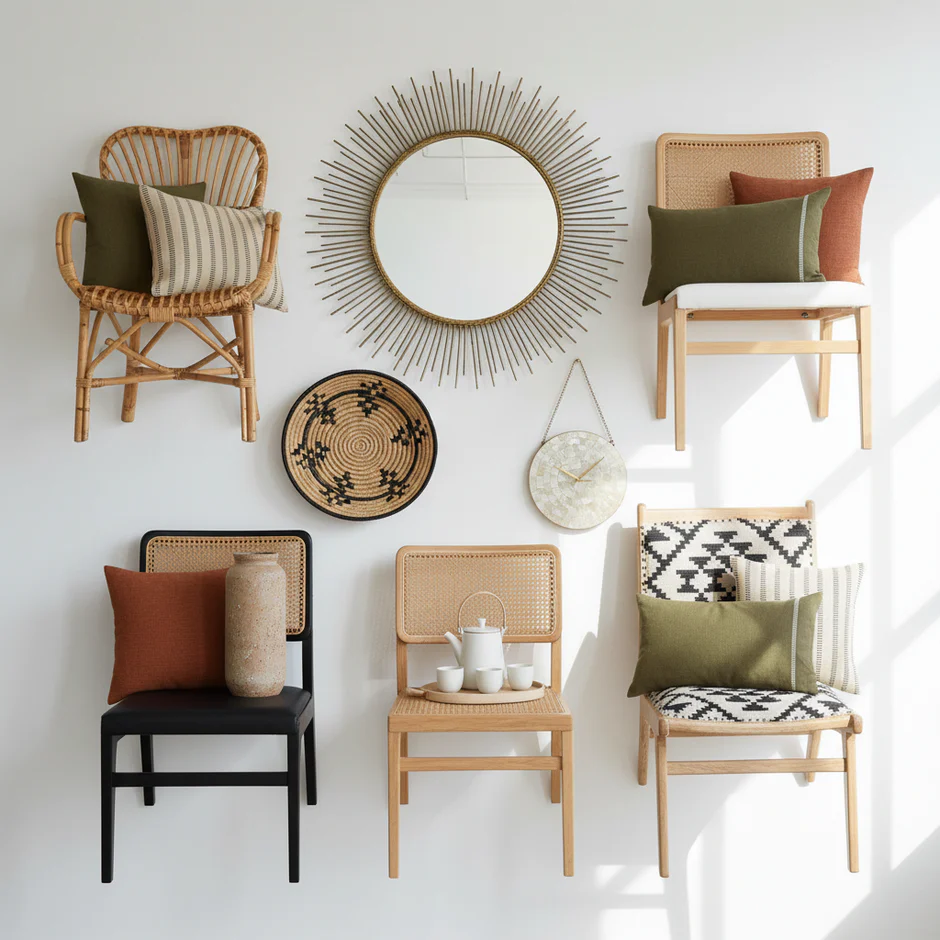
Prefer smaller pieces? Create a cohesive gallery wall with art featuring complementary themes or colours. It's an excellent way to introduce variety while still keeping the mood cohesive.

4. Use Symmetry for a Balanced Look
Hanging two smaller, identical pieces above your bed in matching frames can provide a sense of balance and order. This symmetrical arrangement is visually calming and naturally makes your bedroom feel more organised.
Symmetry works particularly well in bedrooms because it mirrors the natural balance of the bed itself — two pillows, two bedside tables, two lamps. Extending that rhythm to the wall above reinforces the sense of calm order that makes a bedroom feel like a proper retreat rather than a room that just happens to have a bed in it.
5. Trust Your Personal Preferences
Ultimately, your bedroom is your private haven. If a particular type of art speaks to your personality or tells a story you love, don't hesitate to include it—even if it's unconventional.
Real-Life Examples: Styles That Work and Why
Need some ideas to spark your creativity? Here are three examples of bedroom artwork styles:
1. Coastal Calm
A set of framed beach illustration prints featuring soft blues and sandy tones can instantly transport your mind to the seaside. This works wonderfully in a room styled with neutral bedding and natural materials like bamboo or linen.
2. Forest Escape
Imagine forest-themed wall art with soft greens or paintings capturing misty woods. These can evoke a quiet escape and are perfect if you love nature-inspired design.

3. Minimal Monochrome
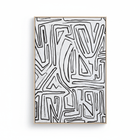
For lovers of minimalism, black-and-white art or smooth geometric prints can create a highly structured yet peaceful vibe. These work beautifully in modern or industrial bedroom styles.
The appeal of monochrome in a bedroom is that it removes colour as a variable entirely, which means the room's mood is shaped purely by form, texture, and light. A single large black-and-white print above the bed in a simple frame can feel more sophisticated and restful than a colourful arrangement that draws the eye in multiple directions at once.
People Also Ask…
Q: What type of wall art is best for a bedroom?
A: Nature scenes, soft abstracts, and minimalist prints in cool or neutral tones are the most effective choices for a bedroom, as they promote calm and reduce pre-sleep stimulation. The subject matter should feel personally meaningful rather than purely decorative — art that resonates with you emotionally contributes more to a restful atmosphere than aesthetically correct choices that leave you indifferent. Avoid highly saturated colours, busy patterns, or imagery that provokes strong emotional reactions, as these can keep the mind active when you're trying to wind down.
Q: Where should wall art be placed in a bedroom?
A: The wall above the bed is the most impactful position for bedroom wall art, as it becomes the natural focal point of the room and is the first thing you see when you wake up. The centre of the artwork should sit roughly 15–20cm above the headboard so there's a clear visual connection between the art and the bed below. For side walls, hang art at eye level from a standing position — around 145cm from the floor to the centre of the piece. Avoid placing art directly opposite a window where glare can make it difficult to appreciate, and keep the wall behind the door clear to avoid a cluttered feel when entering the room.
Q: Can wall art really affect sleep quality?
A: Yes — the visual environment of a bedroom has a measurable effect on stress levels and the ease with which the mind transitions into a restful state. Art featuring cool colours and calm imagery lowers cortisol levels and signals safety and relaxation to the nervous system, making it easier to fall asleep. Conversely, art with harsh colours, chaotic compositions, or emotionally charged subject matter can keep the mind alert and interfere with the wind-down process. The effect is subtle but cumulative — the right art won't transform poor sleep overnight, but it contributes meaningfully to an environment that supports consistent, restorative rest.
WATCH: How To Choose Art For Your Home — Style, Sizing & Placement Tips
More about...
For further inspiration on decorating the wall above your bed, Apartment Therapy's guide to over-bed decorating ideas is worth a look.
Pro Tips...
If you want to see these ideas in action, our Content Hub offers plenty of visuals to guide you.
- How to Decorate a Really Small Bedroom: 10 Space-Saving Tips and Tricks
- Blossoming Trends: Botanical Wall Art for Bedroom
- The Art of Decorating: Modern Master Bedroom Decor Ideas
I hope this guide inspires you to look at wall art as both decoration and a powerful tool to create a sanctuary tailored to your relaxation needs. Which style are you leaning towards? Let me know—I'd love to hear your ideas!