

Which Wall Art Materials Work Best in Your Home?
by Mae Osz on Jul 24, 2026
Choosing between the many available wall art mediums — canvas, framed prints, metal, wood, or textiles — can feel daunting when every option promises something different. The medium you pick shapes not just how a piece looks, but how it feels in the room: its texture, its weight, and the mood it creates. Understanding each material's strengths makes it far easier to find the right match for your walls, your lighting, and your interior style.
By Mae Osz | Interior Design Consultant & Home Decor Expert with 12+ years of experience.
Have you ever stood in front of a blank wall wondering what type of artwork would bring your room to life? Choosing the right material for your wall art can transform a simple space into a serene retreat. Over the years, I've guided many homeowners through this very dilemma, helping them find their perfect match — whether it's for a cosy living room or a mindful office. But with so many materials available, each with its own character and charm, how do you choose the one that truly fits your home and your mood?
Wall art mediums range from classic canvases to more tactile options like textiles or wood. Each carries different qualities in terms of texture, durability, and style. This variety lets you achieve distinct atmospheres — from calming to energising — depending on your room's purpose. Browse our unique wall art collections for inspiration before you decide.
Key Takeaways
- Canvas offers warmth and texture — ideal for living rooms and bedrooms where a soft, inviting feel is the goal.
- Framed prints are the most versatile and durable medium, working beautifully in every room from hallways to offices.
- Metal art is sleek and modern — best for offices and contemporary spaces, but always balance it with softer textures.
- Wood panels bring natural warmth and a handcrafted feel — perfect for Scandi, rustic, or transitional interiors.
- Textile art like macramé or tapestries adds softness, sound absorption, and three-dimensional depth to bedrooms.
- Mixing mediums — such as a large canvas anchor with framed prints alongside — creates the most layered, curated look.
List of Contents
- The Best Wall Art Materials for a Calm Bedroom
- Choosing the Right Art Material for Office and Hallway Spaces
- How to Size and Position Your Wall Art for Best Effect
What are the Most Popular Materials for Wall Art?

From my experience, when clients first ask about wall art, they're usually considering one or two types — often canvas or framed prints. However, the market has expanded, giving us a rich palette to choose from. The most common wall art mediums I see today include canvas (classic, vivid colours and texture), framed prints (versatile, neat, and protective), metal art (sleek, modern, with great durability), wood art (rustic, warm, with natural texture), and textiles (soft, tactile, and full of depth).
| Medium | Feel & Texture | Durability | Style Fit | Common Use |
|---|---|---|---|---|
| Canvas | Matte, textured | Moderate | Contemporary, classic | Living room, bedroom |
| Framed Prints | Smooth, polished | High | Traditional, modern | Bedrooms, living rooms, offices |
| Metal | Glossy or matte, cool | Very high | Industrial, modern | Offices, hallways |
| Wood | Warm, tactile | High | Rustic, Scandi, traditional | Living rooms, hallways |
| Textiles | Soft, layered | Moderate | Boho, Scandi, eclectic | Bedrooms, living rooms |
How Does Your Choice of Material Affect Room Mood and Style?

Many clients I've worked with underestimate how much the medium alone can change a room's vibe. A vibrant canvas print works wonders in creating a focal point, whilst a wooden panel can subtly warm up the same space without shouting for attention. Canvas offers a tactile feel that instantly adds warmth and dimension. Framed prints protect artwork under glass, making them brilliant for high-traffic spaces. Metal pieces reflect light beautifully and lend a contemporary feel — excellent for striking, minimalist interiors. Wooden wall art adds texture and brings a natural element inside. And textile art like tapestries or macramé adds softness and a three-dimensional effect that can't be achieved with flat prints. Find more inspiration through our unique home decor guides.
Which Materials Work Best for Unique Wall Art in the Living Room?
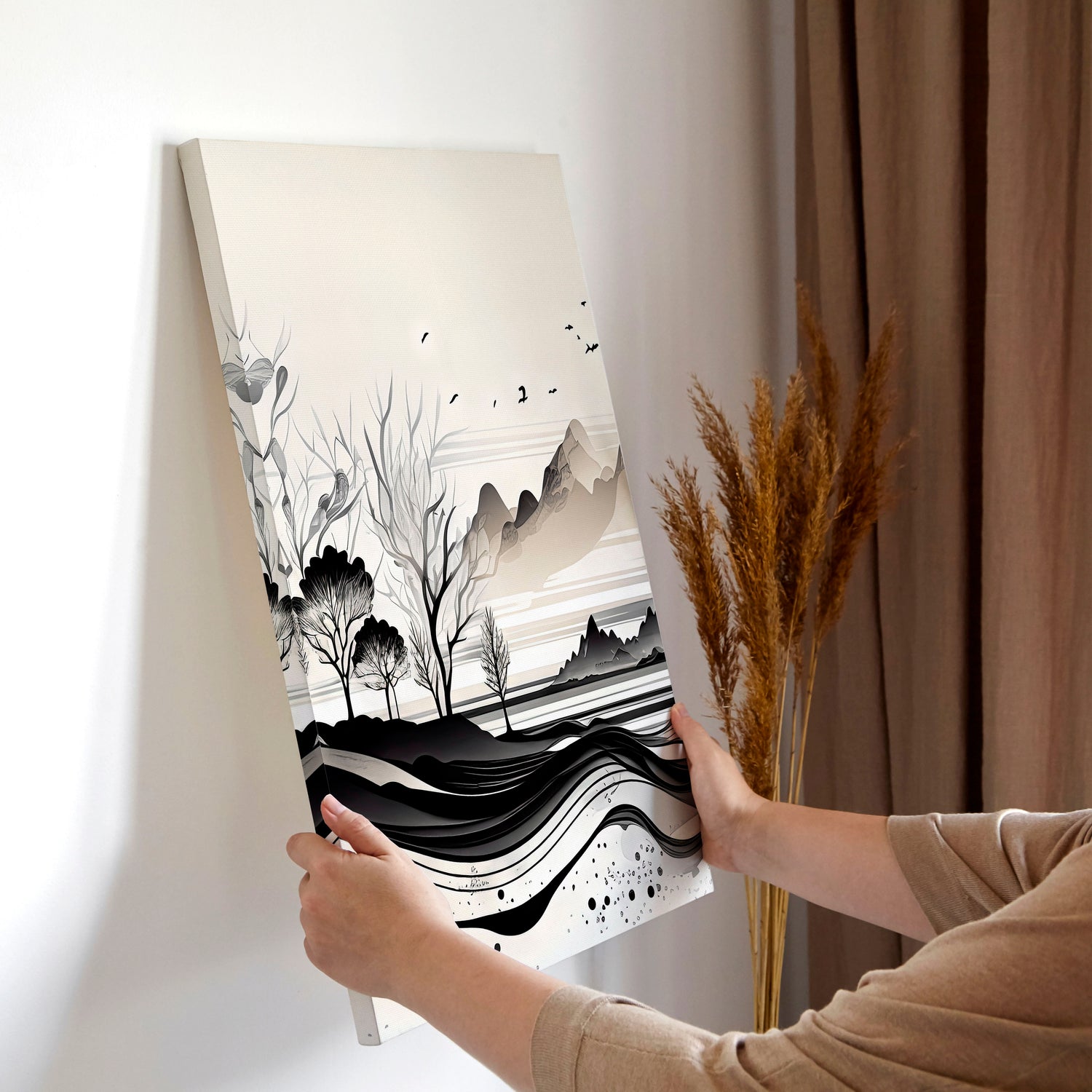
In living rooms, wall art often gets the most attention — and wear. Canvas is a favourite because it offers a balance of softness and vividness. Framed prints, protected by glass, add longevity and a refined appearance. Many clients combine these two — large canvases for focal walls and framed prints for smaller spots. Wood art pieces add an earthy, grounding feel but must be sealed properly to protect against humidity. Choose framed prints with UV-protective glass if near bright windows, avoid placing delicate textiles where children might touch often, and note that metal art suits spaces unlikely to need frequent cleaning. If you want to explore how to arrange multiple pieces once you have chosen your material, our gallery wall layout guide offers room-by-room arrangement ideas to help you plan with confidence.
What Are the Best Wall Art Mediums for Bedroom Decor?

The bedroom should be a calm retreat — a space where you unwind. Textile wall art like tapestries or woven macramé hangings instantly softens a room and absorbs sound, creating a peaceful atmosphere. Canvas art, especially in muted tones, lends a softness that framed glass prints can sometimes lack. And framed prints of calming images or abstract designs work well for a more polished look that's easy to swap when you want to refresh your bedroom decor. For more bedroom art ideas, visit our bedroom decor gallery for pieces that bring serenity into your personal space.
Choosing the Right Art Material for Office and Hallway Spaces

Office and hallway walls often get overlooked when considering wall art mediums. Yet the right choice can energise your work mood or set the tone for visitors instantly. Metal art stands up well to office environments — it's durable and visually striking. Framed prints and canvas prints featuring nature or abstract designs create visual depth in hallways. It's a personal favourite to mix mediums here for a gallery effect. To see some options that work well in these spaces, explore our office decor and hallway decor collections. You can also find wall art styling inspiration across our full range.
How to Size and Position Your Wall Art for Best Effect
Once you have chosen your medium, getting the size and placement right is what separates a room that looks considered from one that looks unfinished. As a general rule, a single piece of artwork should cover roughly two-thirds of the wall width above a sofa or console — this applies whether you choose a large canvas or a framed print.
Hang artwork so that its centre sits at approximately eye level, which in most UK homes means around 145–150 cm from the floor. If you are grouping pieces into a gallery wall, keep the gaps between frames consistent at 5–8 cm for a cohesive look. For hallways, where wall space is narrow, tall vertical pieces or a simple two-column arrangement tend to work far better than a wide horizontal layout.
Before putting a nail in the wall, cut paper templates to the exact dimensions of each piece and use masking tape to mock up the arrangement — this saves time and avoids unnecessary holes. If you are unsure where to start, our gallery wall layout guide walks through room-by-room arrangements in detail.
To wrap up, the choice of wall art mediums shapes not only your decor but also the feel of your home. Whether you lean towards the warmth of wood, the softness of textiles, the vibrancy of canvas, or the sleekness of metal, it's all about matching the medium to your personal style and space needs. Don't shy away from mixing mediums to create layers and harmony — the perfect combination can make your walls speak your aesthetic language without saying a word.


