

Have you ever found yourself searching for Inspiration for Home Decor only to end up scrolling through the same old Pinterest boards and catalogues?
It can feel like every idea has been done before—but sometimes the smallest changes can have the biggest impact.
For example, adding a single houseplant to your space can measurably reduce stress and boost tranquillity.
Instead of just chasing trends, the real secret lies in weaving together elements that mean something to you—like touches of nature, personal memories, or clever, practical solutions. That’s when your home stops being just stylish and starts feeling truly alive.
Table of Contents
- Embrace Nature With Indoor Plants
- Use A Cohesive Colour Palette
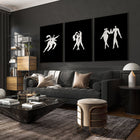
- Incorporate Personal Art And Photos
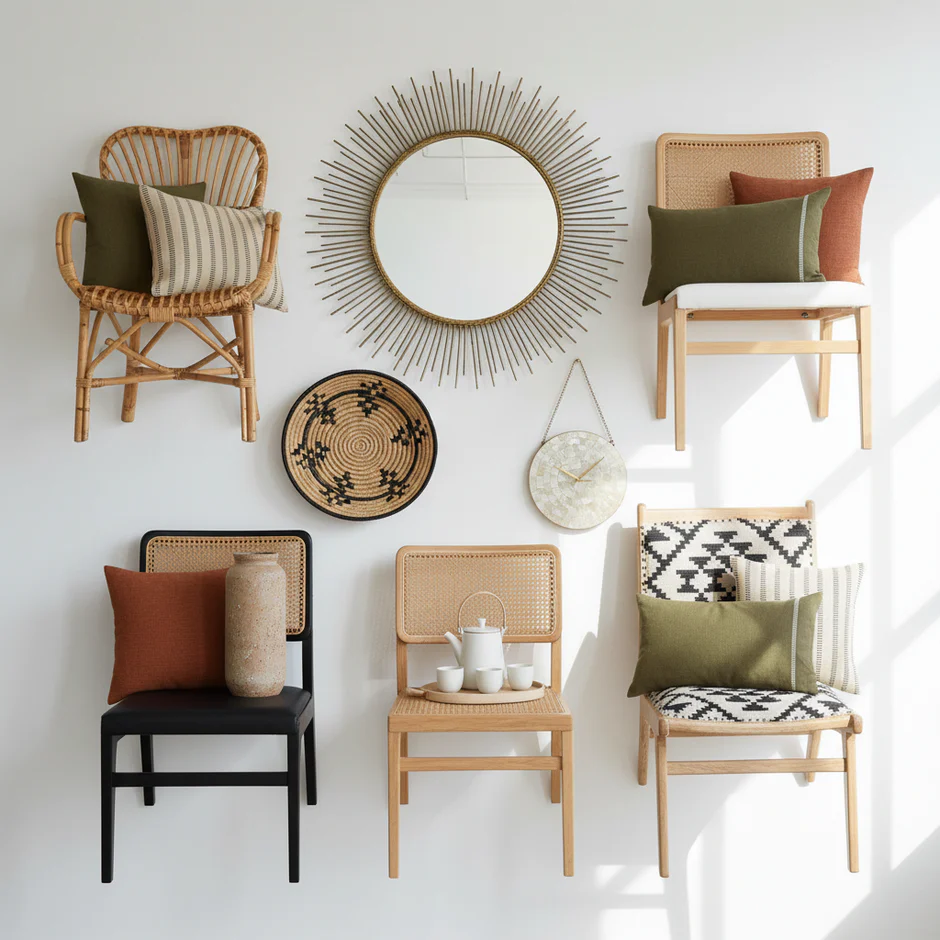
- Experiment With Textures And Materials
- Focus On Lighting To Enhance Mood
- Mix Vintage And Modern Elements
- Define Spaces With Decorative Rugs
- Utilize Multi-Functional Furniture inspiration for Home Decor
Quick Summary
| Takeaway | Explanation |
|---|---|
| Embrace indoor plants for wellbeing | Incorporating plants boosts mental health, reduces stress, and enhances tranquillity in your space. |
| Create a cohesive colour palette | Use a dominant colour and complementary shades to evoke desired moods and harmonise your environment. |
| Add personal art for emotional impact | Display personal art and photos to create a meaningful narrative that resonates with your life experiences. |
| Incorporate varied textures and materials | Mix different textures to enhance sensory appeal and create emotional depth in your decor. |
| Prioritise multi-functional furniture | Optimize space with furniture that serves multiple purposes, enhancing functionality without sacrificing style. |

1: Embrace Nature with Indoor Plants
When it comes to inspiration for home decor, nothing quite transforms a space like introducing living, breathing greenery. Indoor plants have emerged as more than just decorative elements—they are holistic design companions that infuse life, texture, and tranquillity into our living environments.
According to research from the University of Reading, houseplants do far more than simply beautify a room. They actively contribute to our psychological wellbeing, reducing stress and creating a sense of calm.
The magic of incorporating indoor plants into your home decor lies in their versatility. Whether you have a minimalist apartment or a spacious country home, there are plants to suit every aesthetic and space. Consider these strategic plant placement ideas:
-
Select plants with varying heights to create visual interest
-
Mix different leaf textures and shapes for dynamic compositions
-
Choose planters that complement your existing interior colour palette
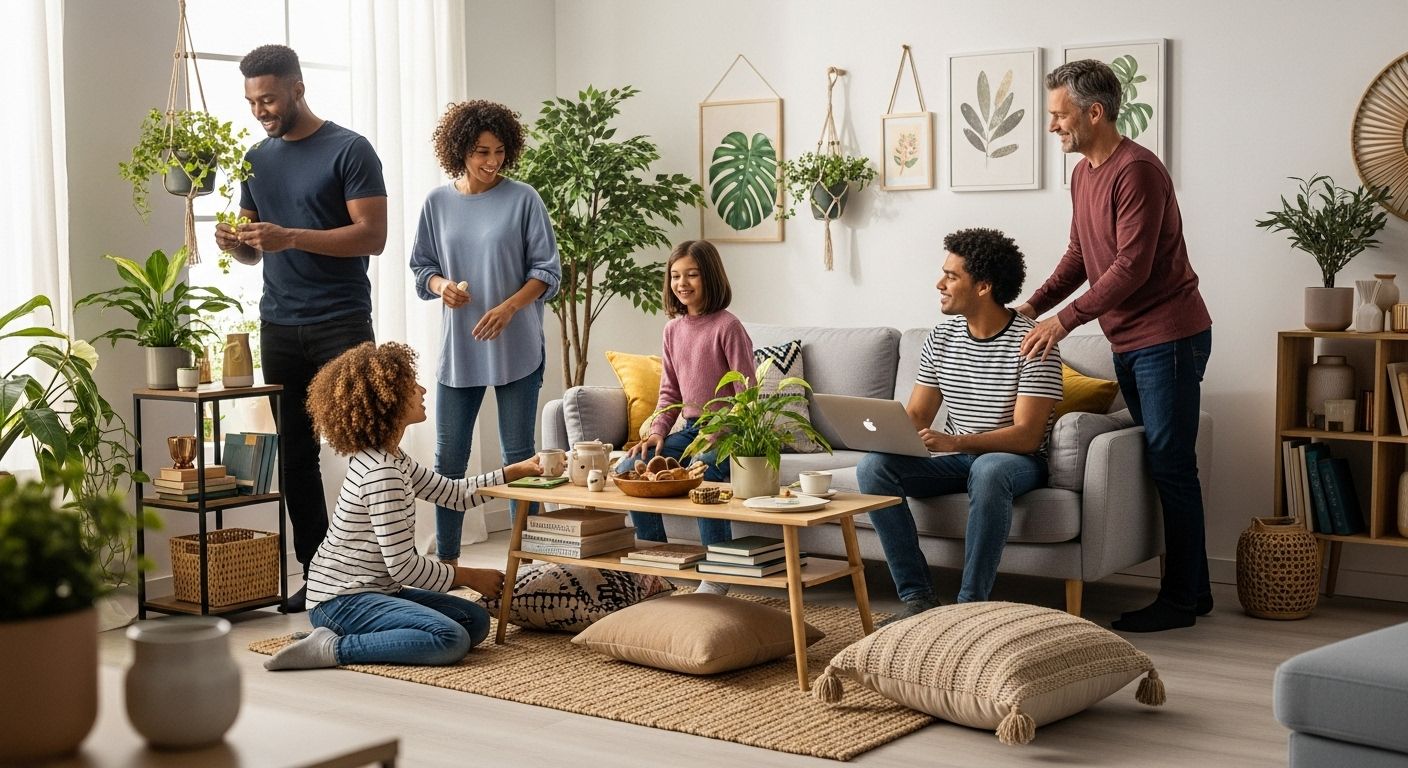
Some excellent plant options for home decor include pothos for trailing elegance, fiddle leaf figs for architectural drama, and snake plants for low-maintenance sophistication. Each brings unique character and can become a living artwork in your space.
Remember, successful indoor plant styling isn’t just about aesthetics—it’s about creating a nurturing environment that feels both beautiful and restorative. By thoughtfully integrating greenery, you transform mere rooms into vibrant, life-affirming sanctuaries. Explore our guide on mindful home styling to discover more ways plants can elevate your living spaces.
2: Use a Cohesive Colour Palette
When crafting inspiration for home decor, nothing speaks more powerfully than a thoughtfully curated colour palette. Colours are not merely visual elements; they are emotional storytellers that transform spaces and influence our psychological experience of a room.
According to research from the National Design Academy, successful interior design hinges on understanding colour psychology and creating harmonious combinations that evoke specific moods and atmospheres.
Designing a cohesive colour palette requires strategic thinking. Consider these fundamental principles:
-
Select a dominant colour that sets the room’s primary tone
-
Choose complementary secondary colours that enhance the primary shade
-
Incorporate neutral tones to create balance and prevent visual overwhelm
The three-colour rule is particularly effective for maintaining visual harmony. This approach involves selecting one dominant colour (60% of the space), a secondary colour (30%), and an accent colour (10%) that adds personality and depth.

When selecting your palette, pay attention to colour undertones and how different shades interact. Warm tones like terracotta, mustard, and burnt orange can create intimacy, while cooler blues and greens promote tranquillity. The key is finding a balance that reflects your personal style and the room’s intended atmosphere.
Learn more about creating balanced colour schemes to transform your living spaces into harmonious, visually compelling environments.
3: Incorporate Personal Art and Photos
Inspiration for home decor reaches its most profound level when you infuse spaces with personal narratives and emotional connections. Personal art and photographs transform mere rooms into living chronicles of your unique journey, creating environments that are deeply meaningful and authentically yours.
According to research from the Mental Health Foundation, engaging with personal art can significantly impact psychological wellbeing, offering therapeutic benefits and promoting emotional resilience.
Creating a personal gallery wall requires thoughtful curation and strategic presentation. Consider these key principles:
-
Select images that genuinely spark joy and reflect your personal narrative
-
Mix different frame styles and sizes for visual dynamism
-
Balance personal photographs with professional artwork for sophistication

When displaying personal art, variety is your ally. Blend family photographs, travel memories, children’s artwork, and professional prints to create a rich, multilayered visual tapestry. Think beyond traditional frames—consider canvas prints, metal displays, or even creating digital collages that can be rotated seasonally.
The most compelling personal galleries tell stories. Whether it’s a collection of black and white wedding portraits, a montage of childhood snapshots, or a series of landscape photographs from your travels, each piece should contribute to the larger narrative of your life.
Discover innovative ways to showcase your personal art and transform your living spaces into deeply personal sanctuaries that celebrate your unique journey.
4: Experiment with Textures and Materials
Inspiration for home decor transcends visual aesthetics—it’s about creating multi-sensory environments that engage touch, perception, and emotional resonance. Textures and materials are the subtle storytellers of interior design, transforming spaces from merely functional to profoundly experiential.
According to research from the University of Lincoln, materials and their combinations play a pivotal role in evoking sensory and emotional responses within interior spaces.
Successful texture integration requires thoughtful, strategic approaches:
-
Balance soft and hard materials to create visual and tactile interest
-
Layer different textural elements like wool, leather, ceramic, and wood
-
Consider both visual texture and physical touchability

The art of material mixing involves understanding complementary and contrasting qualities. Rough, organic textures like jute rugs can beautifully offset smooth, sleek surfaces such as glass or polished metal. Velvet cushions can soften leather furniture, while ceramic vases introduce sculptural elements against wooden shelving.
Remember that texture isn’t just about physical sensation—it’s about creating depth, intrigue, and emotional landscape within your living spaces. Natural materials like linen, rattan, and terracotta bring warmth and authenticity, while metallic and glass elements introduce contemporary sophistication.
Explore innovative ways to incorporate diverse textures and transform your home into a rich, sensory narrative that tells your unique design story.
5: Focus on Lighting to Enhance Mood
Lighting is far more than a functional necessity—it’s a powerful design element that sculpts atmosphere, influences emotions, and transforms living spaces. When considering inspiration for home decor, strategic lighting can elevate a room from ordinary to extraordinary.
According to research from the University of Manchester, appropriate lighting exposure is crucial for reinforcing circadian rhythms and promoting overall well-being.
Consider these essential lighting principles:
-
Layer different light sources for depth and flexibility
-
Utilise warm and cool tones to create varied emotional landscapes
-
Balance ambient, task, and accent lighting in each space
Mood lighting isn’t about brightness—it’s about creating nuanced emotional experiences. Soft, dimmable table lamps can introduce intimacy to living rooms, while strategically placed floor lamps can make spaces feel expansive and welcoming. Pendant lights with warm-toned bulbs can transform dining areas into inviting sanctuaries, while cool-toned LED strips can add contemporary sophistication to minimalist spaces.

Remember that lighting is a sensory dialogue. Natural light remains irreplaceable, so maximise windows, use sheer curtains to diffuse sunlight, and position mirrors to reflect and amplify daylight. In evenings, create warmth through amber-toned bulbs and carefully positioned light sources that cast gentle, flattering illumination.
Discover mindful approaches to home lighting and transform your living spaces into emotionally resonant environments that nurture and inspire.
6: Mix Vintage and Modern Elements
Inspiration for home decor flourishes when you create dynamic dialogues between different design eras. Blending vintage and modern elements isn’t about creating a museum piece—it’s about crafting spaces that feel alive, personal, and narratively rich.
According to research from the Royal College of Art, integrating existing resources into design projects can create innovative and sustainable interiors that celebrate both historical and contemporary aesthetics.
Successful vintage-modern fusion requires strategic approaches:
-
Select statement vintage pieces as focal points
-
Use modern furnishings to provide clean, balanced context
-
Maintain a consistent colour palette across different design periods

The magic lies in thoughtful juxtaposition. A mid-century modern sideboard can sing beautifully alongside contemporary minimalist artwork. An antique brass lamp might provide exquisite contrast against sleek, angular furniture. The key is creating visual conversations where each piece feels intentional and harmonious.
Think of your space as a curated collection. Vintage doesn’t mean outdated—it means character, history, and unique storytelling. Modern elements provide the crisp, clean backdrop that allows these treasured pieces to truly shine. A delicate Art Deco mirror might transform a stark white wall, while a contemporary leather sofa can ground ornate vintage rugs.
Explore techniques for adding personality to your decor and create spaces that feel both timeless and utterly personal.
7: Define Spaces with Decorative Rugs
Inspiration for home decor transforms dramatically when you understand rugs as more than floor coverings—they are spatial storytellers that define, connect, and elevate entire living environments. A thoughtfully selected rug can anchor a room, create visual boundaries, and introduce layers of texture and personality.
According to research from the British Institute of Interior Design, decorative rugs play a crucial role in softening hard flooring and enhancing interior design aesthetics.
Consider these strategic rug placement principles:
-
Select rug sizes that proportionally match your furniture arrangement
-
Use rugs to visually connect or separate different living zones
-
Choose textures and colours that complement your existing decor

Spatial definition is an art form. In open-plan spaces, rugs become invisible walls, creating subtle zones without physical barriers. A large area rug beneath a dining table can delineate the eating area, while a smaller, more intricate rug can define a reading nook or conversation space in a living room.
Texture plays a pivotal role. Plush, high-pile rugs introduce warmth and softness to minimalist spaces, while flat-weave rugs with geometric patterns can add contemporary edge to traditional interiors. Consider wool for durability, silk for luxury, and natural fibres like jute for organic texture.
Explore innovative ways to style your living spaces and discover how decorative rugs can transform your home’s visual narrative.
8: Utilize Multi-Functional Furniture inspiration for Home decor
Inspiration for home decor increasingly embraces intelligent design solutions that maximise space, enhance functionality, and celebrate versatility. Multi-functional furniture represents a brilliant evolution in interior styling—transforming living spaces into dynamic, adaptable environments that respond to our changing daily needs.
According to research from Brunel University London, innovative furniture manufacturing techniques are enabling more flexible and sustainable design approaches that prioritise adaptability and efficiency.
Consider these strategic multi-functional furniture principles:
-
Select pieces that offer at least two distinct uses
-
Prioritise sleek, compact designs with hidden storage capabilities
-
Choose neutral colours for maximum design flexibility
Space optimization becomes an art form with multi-functional furniture. A sofa bed transforms your living room into a guest bedroom, while an ottoman with internal storage provides seating and discreet organization. Extendable dining tables accommodate intimate family dinners and large gatherings, demonstrating how a single piece can serve multiple purposes without compromising aesthetic appeal.

The contemporary home demands furniture that works as hard as we do. A wall-mounted desk that folds away when not in use, a coffee table with integrated charging stations, or a bed with built-in drawers exemplify how design can elegantly solve spatial challenges. These pieces aren’t just furniture—they’re intelligent solutions that respect both form and function.
Below is a comprehensive table summarising the key ideas and practical benefits from the article, providing a clear overview of how to implement fresh inspiration for home decor.
| Idea | Key Actions & Principles | Benefits & Outcomes |
|---|---|---|
| Embrace Indoor Plants | Place greenery of varied heights/textures, use complementing planters | Reduces stress, enhances tranquillity, adds life and texture |
| Use a Cohesive Colour Palette | Select dominant/secondary/neutral shades, use three-colour rule | Creates harmony, evokes desired moods, ensures visual unity |
| Incorporate Personal Art and Photos | Curate meaningful images, mix frame styles/sizes, blend personal with professional art | Builds emotional connection, narrates personal story, enhances joy |
| Experiment with Textures and Materials | Layer soft/hard elements, mix materials like wool, ceramic, wood and metal | Adds depth, sensory richness, emotional resonance |
| Focus on Lighting to Enhance Mood | Layer ambient/task/accent light, use warm/cool tones, optimise natural sources | Boosts atmosphere, supports well-being, sculpts space mood |
| Mix Vintage and Modern Elements | Combine statement vintage pieces with modern designs, maintain colour continuity | Adds character, timelessness, dynamic and personal ambience |
| Define Spaces with Decorative Rugs | Use rugs to separate/anchor zones, coordinate size/texture/colour with surroundings | Creates spatial clarity, introduces warmth, and visual interest |
| Utilise Multi-Functional Furniture | Choose items with dual purposes and hidden storage, favour neutral palette | Optimises small spaces, increases adaptability, preserves aesthetics |
Discover innovative approaches to home styling and transform your living spaces into efficient, beautiful environments that adapt to your lifestyle.
Transform Your Home Decor Ideas into Reality with Wall Art
Are you eager to turn inspiring home decor concepts into spaces that truly reflect your personality? Many readers of “8 Fresh Ideas for Inspiration for Home Decor” feel overwhelmed by bare walls and uninspired rooms. Whether you wish to enhance your environment with calming greenery, dynamic textures or a carefully curated colour palette, one challenge remains: making your home visually cohesive and emotionally uplifting without the stress of endless searching.

The right wall art can instantly solve this. Choose from a wide range of custom and curated pieces at About Wall Art, designed to pair beautifully with any decor theme you discovered in the article. Let your artwork tell your story, breathe life into your colour schemes and anchor your space with texture and mood. Ready for a home that feels truly yours? Visit our featured collections to find art that fits your vision, or explore inspiring ideas on our site. Take the first step today and give your interiors the perfect finishing touch.
Pro Tips
Find inspirational tips on our Content Hub!
1. Solving style stagnation: Fresh interior decor ideas for living room updates
Ideas for texture mixing, colour layering, and refreshing wall art.
2. Budget dining area decor ideas that instantly elevate the room
Affordable touches that bring warmth, personality, and style.
3. How to create a “wow-factor” with the right living room wall art decor
Guidance on selecting standout wall art, balancing styles, and display ideas.
More about
Delve deeper into the psychology and creativity behind home décor, consider exploring these insightful resources:
-
How Alicja Wawrzyniak Merges Design and Psychology — This article discusses how UK designer Alicja Wawrzyniak combines her background in clinical psychology with interior design to create personalised spaces that reflect individual character and evoke emotions.
-
Neuroarchitecture: Could This Movement Lead to Happier Homes? — An exploration of neuroarchitecture, a field that studies how our brains respond to different spaces, and how understanding these responses can lead to designing homes that promote well-being.