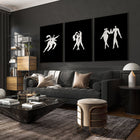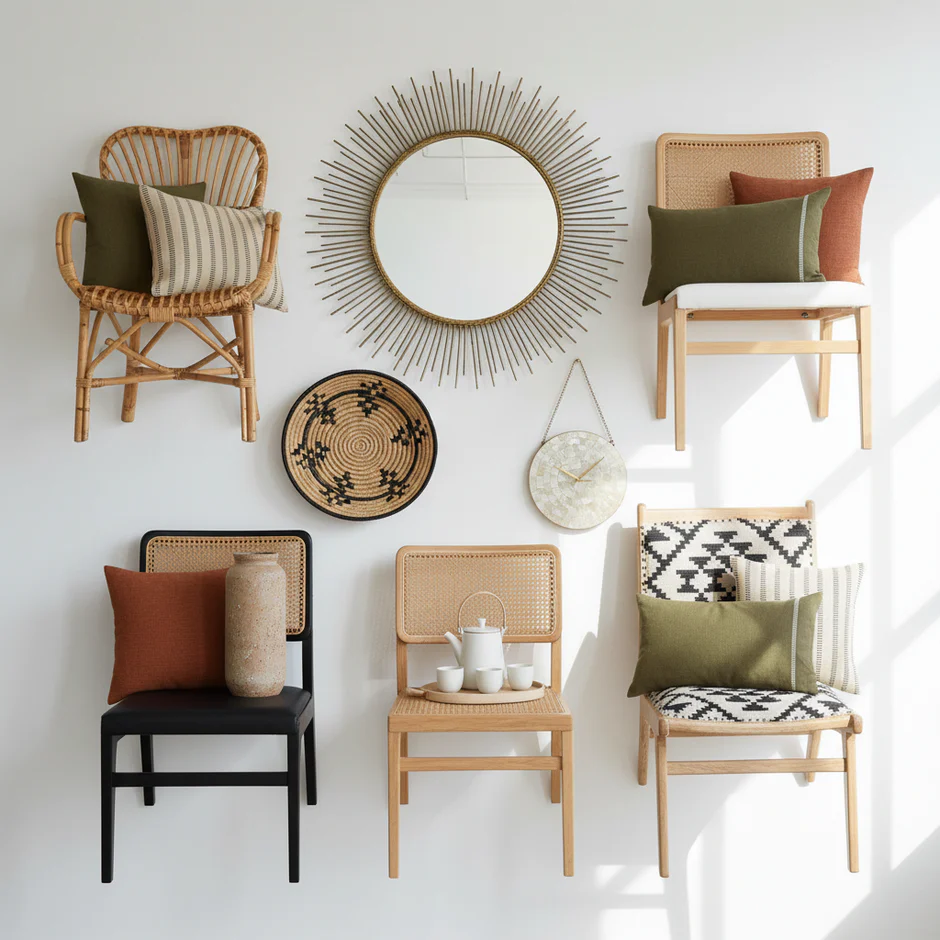


Have you ever considered how Art in Interior Design can shape not just a room, but the way you feel within it? Art does far more than fill a wall or match a cushion—it has the power to influence emotions, moods, and even physical wellbeing.
In some hospital environments, research shows that thoughtfully placed artworks can lower blood pressure and ease anxiety for patients.
The fascinating part is that the true value of art lies not just in what you see, but in how it becomes part of the story and emotional resonance of a space, transforming it into something that’s truly alive.
Table of Contents
- The Essence Of Art In Interior Design: Definition And Importance
- The Emotional And Aesthetic Impact Of Art In Spaces
- Key Concepts: Styles, Movements, And Their Influence On Design
- Integrating Art: Practical Considerations For Different Environments
- Art As A Reflection Of Identity And Culture In Interior Design
Quick Summary
| Takeaway | Explanation |
|---|---|
| Art enhances emotional wellbeing in spaces | Strategically placed artwork can reduce anxiety and improve mood through psychological and physiological responses. |
| Art communicates personal and cultural identity | Selection and display of art reflect individual journeys and cultural backgrounds, transforming spaces into personal narratives. |
| Integrate art with architectural elements | Effective design combines art with structural features for cohesive visual storytelling and enhanced spatial experiences. |
| Consider environmental context in art selection | Different spaces require tailored artwork choices that consider light, function, and psychological impact for optimal effects. |
| Art as a tool for psychological therapy | Carefully chosen artwork in interiors serves therapeutic functions, promoting psychological restoration and reducing stress. |

The Essence of Art in Interior Design: Definition and Importance
Art in interior design transcends mere decoration—it is a powerful medium of personal expression, spatial transformation, and emotional communication. When thoughtfully integrated, art becomes the soul of a living space, communicating narratives, evoking feelings, and creating environments that reflect individual personalities and design philosophies.
Understanding Art’s Role in Design Spaces
At its core, art in interior design serves multiple critical functions beyond aesthetic pleasure. According to the U.S. General Services Administration, art is not just an ornamental addition but an integral component that enhances architectural meaning and cultural significance.
Key functions of art in interior design include:
- Creating visual focal points that draw the eye and anchor a room
- Establishing emotional ambience and psychological comfort
- Communicating personal narratives and cultural identities
- Bridging architectural elements and personal style

Psychological and Emotional Dimensions
Beyond visual appeal, art profoundly influences human psychology and spatial perception. Scientific research demonstrates that strategically placed artwork can significantly impact emotional states and physiological responses. Research from healthcare studies reveals that carefully selected art can reduce anxiety, lower blood pressure, and improve overall mood in interior environments.
The transformative power of art lies in its ability to:
- Communicate complex emotions without words
- Provide sensory stimulation and visual complexity
- Create a sense of depth, movement, and spatial dynamism
- Reflect personal journeys and aesthetic sensibilities
By understanding art as more than a decorative element, interior designers and homeowners can leverage visual narratives to create spaces that are not just aesthetically pleasing, but emotionally resonant and deeply personal.
To better understand the psychological and physiological effects of art in interior environments, the following table summarises key scientific findings discussed in the article.
| Effect | Description | Supporting Research Reference |
|---|---|---|
| Reduced Anxiety | Artwork can help lower anxieties in various environments | Clinical studies in healthcare settings |
| Lowered Blood Pressure | Viewing art may reduce physiological stress markers | Research from healthcare studies |
| Improved Mood | Art contributes positively to overall mood | Healthcare environment research |
| Enhanced Psychological Comfort | Art establishes an emotionally comforting atmosphere | Psychological research findings |
| Engaged Emotional Memory | Art triggers emotional memory and introspective responses | Neuroscience research |
The Emotional and Aesthetic Impact of Art in Spaces
Art possesses an extraordinary capability to transform interior environments beyond visual aesthetics, functioning as a profound psychological catalyst that shapes human emotional experiences and spatial perceptions. It operates as a silent communicator, influencing mood, behaviour, and cognitive responses within designed spaces.

Neurological Responses to Visual Art
Neuroscience research reveals that art engagement activates complex brain networks associated with emotional processing and self-referential thinking. When individuals encounter meaningful artwork, their default-mode network—responsible for introspection and personal interpretation—becomes dynamically engaged, creating powerful psychological connections.
Key neurological responses include:
- Triggering emotional memory pathways
- Stimulating cognitive processing centres
- Generating complex sensory interactions
- Activating reward and pleasure circuits
Psychological Therapeutic Dimensions
Artwork strategically placed within interior spaces can function as more than decorative elements—they become therapeutic interventions. Clinical studies in healthcare settings demonstrate that carefully selected artwork can measurably reduce physiological stress markers, including heart rate and blood pressure.
Psychological benefits of art in spaces encompass:
- Reducing anxiety and emotional tension
- Promoting psychological restoration
- Creating environments of contemplative calm
- Facilitating non-verbal emotional expression

By understanding art as an experiential medium rather than merely decorative, interior designers can craft spaces that nurture psychological well-being, transforming environments into holistic sensory narratives that speak directly to human emotional landscapes.
Key Concepts: Styles, Movements, and Their Influence on Design
Art in interior design is profoundly shaped by historical movements and philosophical approaches that transcend mere aesthetic preferences. These styles represent complex cultural dialogues, reflecting societal values, technological innovations, and evolving human relationships with living spaces.
Historical Design Movements and Philosophies
According to the Getty Research Institute, design movements like the Bauhaus emerged from radical philosophical principles seeking to unite fine arts, craftsmanship, and functional living. These movements were not simply about creating beautiful spaces, but reimagining how humans interact with their built environments.
Significant design movements include:
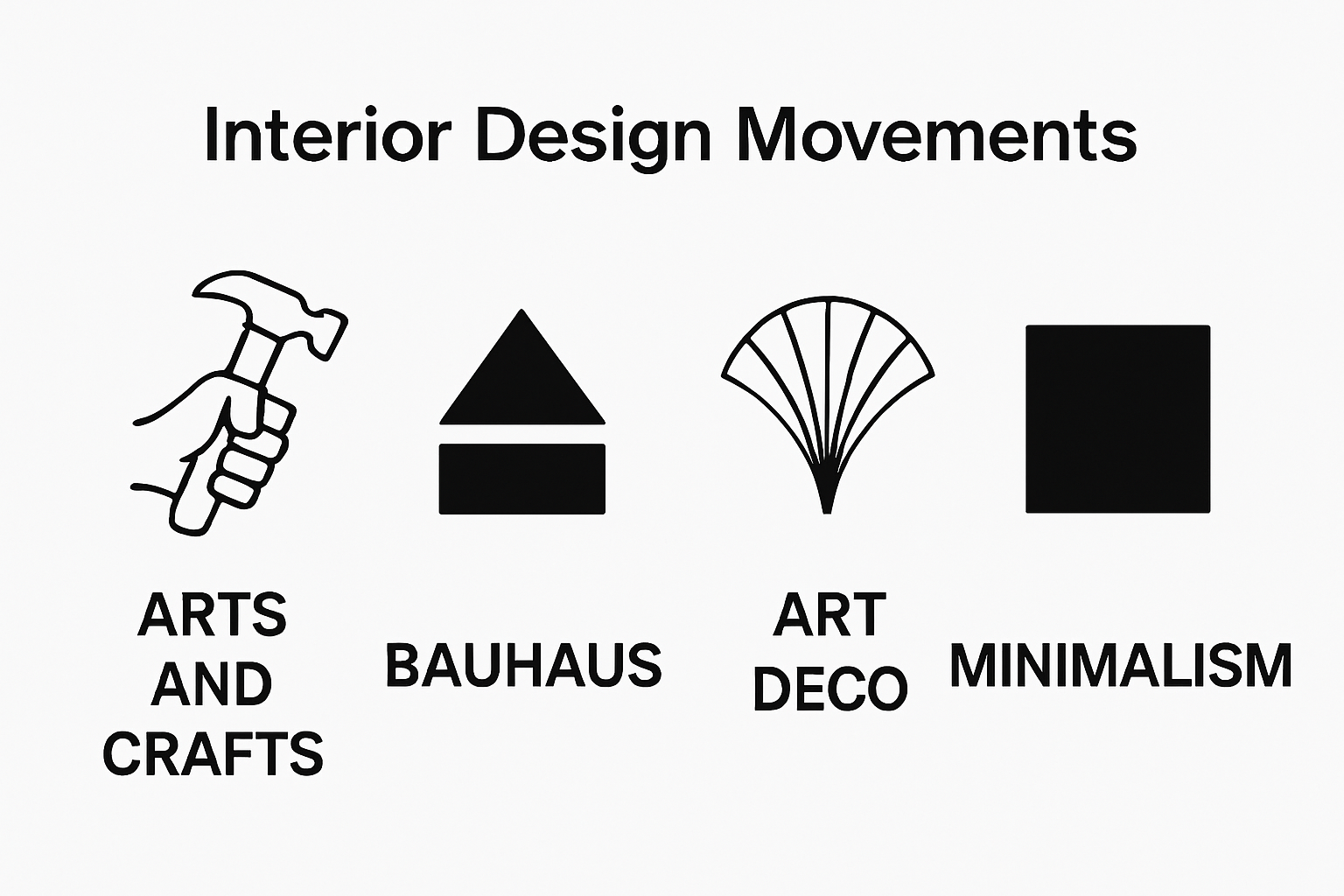
- Arts and Crafts: Emphasising handcrafted authenticity
- Bauhaus: Integrating form, function, and industrial production
- Art Deco: Celebrating geometric elegance and technological optimism
- Minimalism: Prioritising simplicity and essential design elements
Architectural and Interior Design Integration
Modern interior design recognises art not as a separate decorative element, but as an integral component of spatial narrative. U.S. federal preservation guidelines acknowledge that interior spaces possess inherent character defined by materials, spatial relationships, and design philosophies.
Key principles of integrated design include:
- Harmonising architectural structure with artistic expression
- Creating cohesive visual narratives across spaces
- Respecting historical design contexts
- Allowing artistic elements to define spatial experiences
By understanding these movements, designers can create spaces that are not merely functional, but profound expressions of cultural and personal identity.

The article discusses several influential historical design movements that have shaped the integration of art in interior design. The following table provides a concise comparison of these movements and their core characteristics.
| Design Movement | Key Characteristics | Philosophical Approach |
|---|---|---|
| Arts and Crafts | Handcrafted authenticity, attention to detail | Emphasis on traditional craftsmanship and quality |
| Bauhaus | Form meets function, industrial aesthetics | Integration of fine arts, craftsmanship, and modern living |
| Art Deco | Geometric shapes, luxury materials | Celebration of technological progress and elegance |
| Minimalism | Simplicity, uncluttered spaces | Focus on essentials and spatial clarity |
Integrating Art: Practical Considerations for Different Environments
Successful art integration requires nuanced understanding of spatial dynamics, environmental constraints, and the specific psychological needs of different interior settings. Each environment demands a tailored approach that balances aesthetic expression with functional requirements and sensory experiences.
Environmental Context and Art Selection
Research on hospital environments demonstrates that art selection profoundly impacts human perception and emotional well-being. Different spaces require strategic art considerations that extend far beyond visual appeal, considering factors like light sensitivity, spatial flow, and psychological impact.
Key environmental considerations include:
- Understanding unique spatial characteristics
- Matching artwork to functional requirements
- Considering audience psychological needs
- Respecting architectural integrity

Technical and Safety Considerations
Practical art integration involves more than aesthetic choices. Americans with Disabilities Act standards provide critical guidelines for art placement, ensuring accessibility and safety in public and commercial environments.
Essential technical aspects involve:
- Maintaining clear circulation paths
- Preventing artwork protrusion hazards
- Ensuring stable mounting techniques
- Considering light exposure and artwork preservation

By approaching art integration as a holistic design strategy, professionals can transform spaces into dynamic, emotionally resonant environments that engage and inspire their inhabitants.
Art as a Reflection of Identity and Culture in Interior Design
Interior design transcends aesthetic arrangement, functioning as a profound narrative medium where art becomes a powerful language of personal and collective identity. Through carefully curated visual elements, individuals communicate complex stories about their heritage, values, experiences, and inner worlds.

Personal Space as Identity Narrative
Research from the University of Texas Gosling Lab reveals that personal environments are rich psychological landscapes. The artworks individuals choose, their arrangement, and the stories they represent serve as intricate maps of identity, allowing observers to glimpse deeply personal aspects of an individual’s character and cultural background.
Key identity expression mechanisms include:
- Displaying ancestral or cultural heritage artwork
- Selecting pieces that reflect personal aesthetic philosophies
- Curating collections that narrate personal journeys
- Integrating artworks that represent emotional landscapes
Cultural Representation and Community Dialogue
The National Endowment for the Arts highlights how art embedded in spaces elevates local histories and amplifies community voices. Interior design becomes a dynamic platform where cultural narratives are preserved, celebrated, and shared, transforming private spaces into profound statements of collective experience.
Cultural representation strategies encompass:
- Highlighting indigenous artistic traditions
- Showcasing local artistic movements
- Creating dialogues between traditional and contemporary expressions
- Representing multicultural perspectives
By understanding art as a nuanced communication tool, designers can create spaces that are not merely visually compelling, but deeply meaningful repositories of human experience.
Transform Your Space into a True Reflection of You
Are you striving to move beyond bland and impersonal interiors, longing for a room that genuinely expresses your identity and influences your mood? This article has shown that art is far more than a mere decorative element. Harnessing the emotional and psychological power of wall art can invigorate your space, foster comfort, and communicate your personal story. Many people feel overwhelmed choosing artwork that is both meaningful and cohesive with their design philosophy or struggle to find pieces that harmonise with architectural elements and evoke the right atmosphere.

Discover the solution today at About Wall Art, where you can explore a curated collection designed to help you bring your vision to life. With seamless browsing, responsive design, and a wealth of personalised wall art options, it is simple to turn design concepts from inspiration into reality. Make today the day you transform your interior into an emotionally rich and visually striking environment. Visit About Wall Art and begin creating a space that feels truly yours.
More About
Dive deeper into the science behind how art influences emotions and wellbeing, check out this insightful resource from Health in Mind:The importance of arts to our wellbeing.
Pro Tips
Explore these About Wall Art blogs for practical ideas and inspiration to incorporate art effectively in your interiors: