

What is Canvas Art? Understanding the Beauty and Impact
por Mae Osz en Sep 26, 2025
Have you ever asked yourself, what is canvas art and why does it feel so different from other types of wall decor?
More than just images on fabric, canvas art has a unique way of turning blank surfaces into breathtaking masterpieces that instantly transform the atmosphere of a room.
It might surprise you, but the right canvas can completely shift the mood of a space—making it feel brighter, calmer, or even larger than it really is.
Unlike decorative details that simply sit in the background, canvas art brings texture, depth, and emotion to your walls, telling stories that connect with you on a much deeper level.
Table of Contents
- Defining What is Canvas Art And Its Characteristics
- The Significance Of Canvas Art In Home Decor
- How Canvas Art Is Created: Materials And Techniques
- Exploring Different Styles And Themes Of Canvas Art
- The Cultural Impact And Trends In Canvas Art
Quick Summary
| Takeaway | Explanation |
|---|---|
| Canvas art is a storytelling medium | Canvas artworks transform raw materials into visual narratives that engage viewers emotionally. |
| Material choice affects artwork outcomes | The texture and composition of canvas influence paint adhesion, colour vibrancy, and overall artistic communication. |
| Strategic art placement enhances space | Well-chosen canvas art can alter room energy, evoke emotions, and create focal points for conversation. |
| Canvas art reflects personal identity | Selecting varied artistic styles allows individuals to express their unique tastes and life experiences in home decor. |
| Digital platforms democratise art access | Technology enables artists to reach broader audiences and fosters global engagement with canvas artworks. |
Defining What is Canvas Art and Its Characteristics
Canvas art represents a profound method of artistic expression where visual narratives are crafted on textured, woven surfaces that transform raw materials into compelling storytelling mediums. At its core, what is canvas art? It’s a sophisticated artistic technique involving painting, printing, or transferring imagery onto a durable fabric surface typically made from cotton, linen, or synthetic blends.

The Essential Materials and Structure
Canvas itself is a remarkable foundation for artistic creation. Traditionally woven from natural fibres, modern canvases offer artists multiple textures and durability levels. According to the National Gallery of Art, artists carefully select canvas based on several critical characteristics:
- Fabric weave density
- Surface texture
- Material composition
- Underlying stretching technique
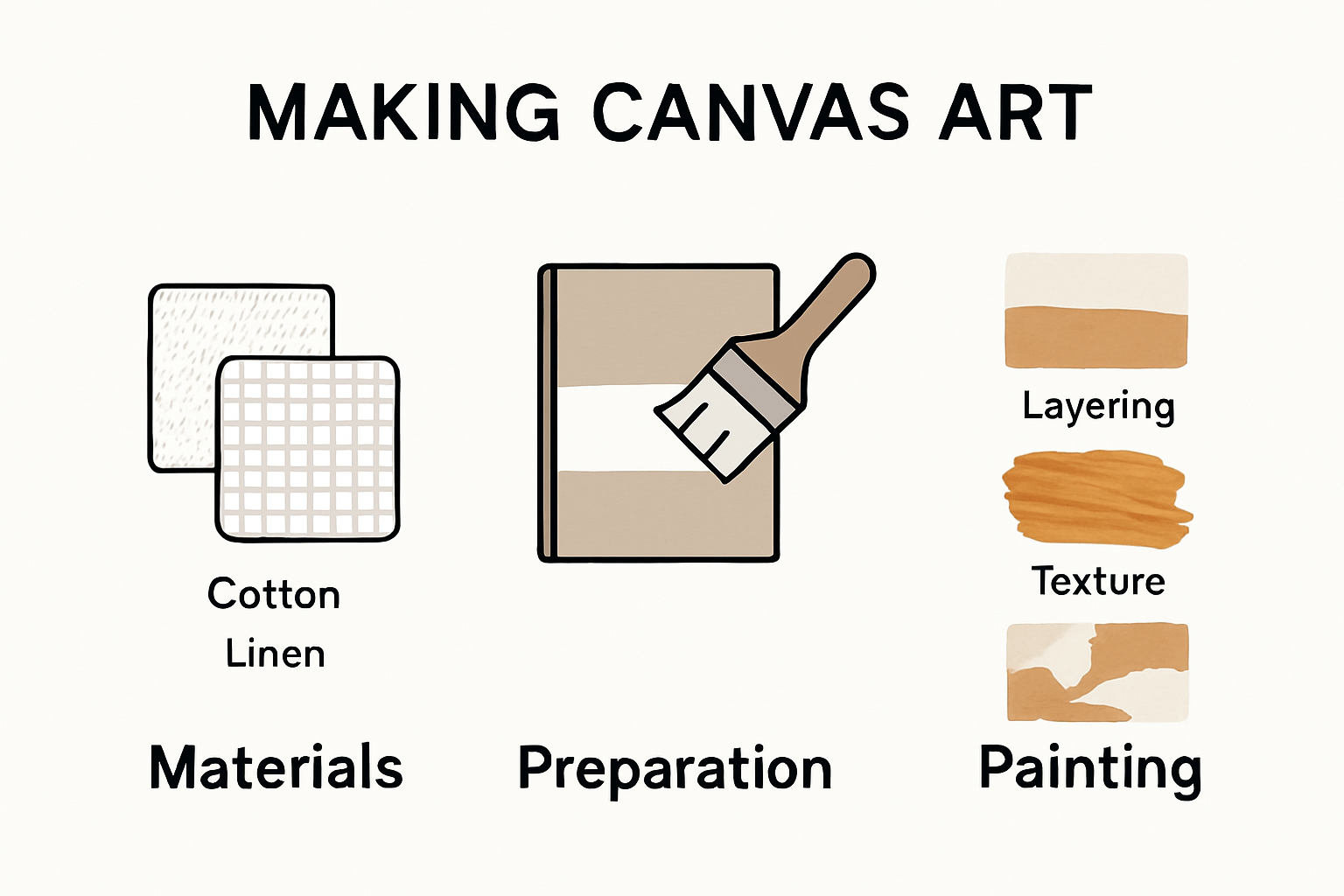
The canvas material fundamentally influences how paint adheres, how colours appear, and ultimately how the artwork communicates its visual message. Cotton canvases provide a smooth, consistent surface, while linen offers a more textured, robust backdrop that can add depth and complexity to artistic compositions.
The following table summarises the essential characteristics of different canvas materials and how they influence the outcome of the artwork.
| Canvas Material | Surface Texture | Durability | Artistic Impact |
|---|---|---|---|
| Cotton | Smooth and consistent | Moderate | Enhances colour vibrancy and fine detail |
| Linen | Textured and robust | High | Adds depth and complexity |
| Synthetic Blends | Variable | Variable | Offers versatility and cost-efficiency |

Artistic Techniques and Expression
Canvas art transcends mere painting techniques. It represents a sophisticated dialogue between artist, medium, and viewer. Whether an artist chooses oil paints, acrylics, or mixed media, the canvas becomes a transformative space where imagination materialises into tangible visual experiences.
Artists manipulate canvas surfaces through various approaches:
- Priming techniques that prepare the surface
- Layering methods creating visual depth
- Textural interventions that challenge traditional representation
Understanding canvas art requires recognising it as more than a simple background—it’s an active participant in the artistic narrative, capable of amplifying emotional resonance and visual complexity.
The Significance of Canvas Art in Home Decor
Canvas art has emerged as a transformative element in contemporary interior design, offering more than mere decorative functionality. It represents a powerful medium for personal expression, emotional connection, and aesthetic enhancement within living spaces. Canvas artwork transcends traditional wall coverings, becoming a dynamic narrative tool that communicates individual style, experiences, and sensibilities.
Emotional and Psychological Impact
According to Art Design Hope, incorporating art into living environments serves profound psychological purposes. Canvas art does not simply occupy wall space but actively influences room atmosphere, emotional wellness, and personal narrative. It creates visual anchors that:
- Evoke specific emotional responses
- Reflect personal memories and experiences
- Generate conversational focal points
- Transform neutral spaces into personalised environments
The strategic placement of canvas art can dramatically alter a room’s perceived dimensions, energy, and emotional temperature. A carefully selected piece can soften harsh architectural lines, introduce colour harmonies, or create visual intrigue that draws the eye and stimulates intellectual engagement.
Design Versatility and Personal Expression
Canvas art’s remarkable adaptability makes it an exceptional design element. Unlike traditional wall decorations, canvas pieces offer unprecedented flexibility in styling, scaling, and thematic representation. Whether minimalist abstract compositions or richly detailed landscape scenes, these artworks become extensions of personal identity.
Homeowners can curate spaces that authentically represent their inner worlds through:
- Selecting artwork that resonates with personal aesthetic preferences
- Mixing different artistic styles and periods
- Creating gallery walls that tell interconnected stories
By thoughtfully integrating canvas art, individuals transform living spaces from mere physical structures into dynamic, emotionally resonant environments that celebrate personal creativity and visual storytelling.
How Canvas Art is Created: Materials and Techniques
Canvas art creation is a sophisticated process blending technical skill, artistic vision, and meticulous material selection. Transforming blank canvas into expressive artwork requires understanding intricate relationships between surfaces, pigments, and creative techniques that elevate simple materials into profound visual narratives.
Canvas Preparation and Foundation
According to the National Gallery of Art, artists approach canvas preparation as a critical preliminary stage that significantly impacts artistic outcomes. The foundation involves several essential steps:
- Selecting appropriate canvas fabric
- Applying primer or gesso
- Stretching canvas across wooden frames
- Creating uniform surface tension
Priming serves multiple purposes: preventing paint absorption, creating smooth painting surfaces, and enhancing colour vibrancy. Different primers produce varied textures, allowing artists to manipulate visual and tactile experiences before the first brushstroke.
Painting Techniques and Material Interactions
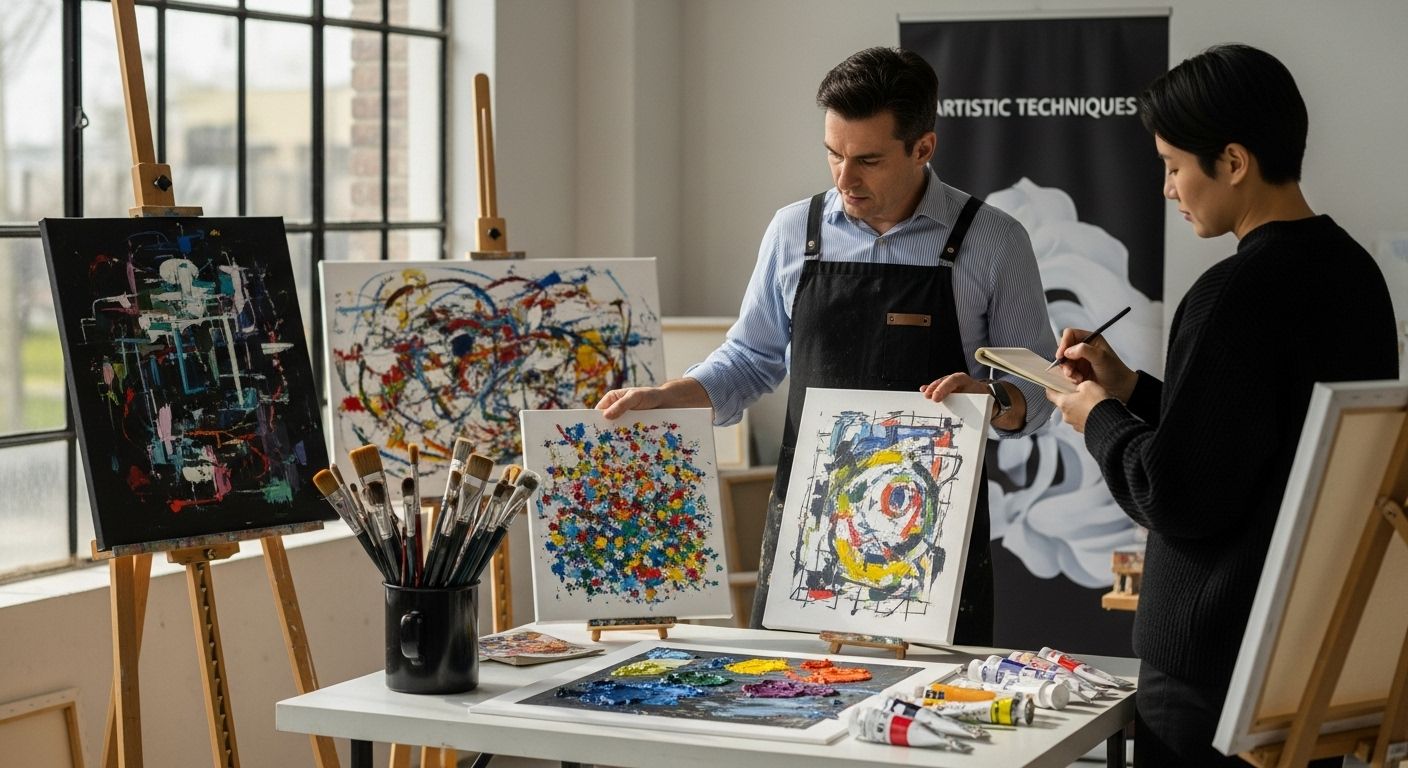
Artists employ diverse painting techniques that transform canvas from a blank surface into a dynamic artistic medium. Each technique introduces unique textural and visual characteristics, ranging from delicate watercolour washes to robust impasto oil painting methods.
Key painting approaches include:
- Layering multiple paint applications
- Creating textural variations through brush movements
- Experimenting with palette knife techniques
- Incorporating mixed media elements
The interaction between paint and canvas creates depth, dimension, and emotional resonance. Artists strategically choose materials understanding how cotton, linen, or synthetic canvases respond differently to various painting styles and mediums.
Ultimately, canvas art represents a nuanced dialogue between artist, material, and creative intention—where technical precision meets imaginative expression.
Exploring Different Styles and Themes of Canvas Art
Canvas art is a vibrant, dynamic realm where artistic expression transcends traditional boundaries, offering audiences diverse visual languages that communicate complex narratives and emotional landscapes. Artistic styles represent more than aesthetic choices—they are profound cultural dialogues that reflect human experiences, societal shifts, and individual perspectives.
Historical Artistic Movements
According to the Honolulu Community College Library, canvas art has evolved through remarkable historical movements, each representing unique philosophical and visual approaches. These movements capture specific zeitgeists, transforming canvas into a powerful medium of cultural commentary:
- Impressionism: Capturing ephemeral light and atmospheric nuances
- Cubism: Deconstructing visual perspectives
- Surrealism: Exploring subconscious imagery
- Abstract Expressionism: Emphasising emotional and spontaneous creation
Each movement challenged preceding artistic conventions, pushing boundaries of representation and encouraging viewers to reimagine visual perception. Artists like Monet, Picasso, and Pollock used canvas as a revolutionary platform for exploring human consciousness and challenging established artistic norms.
To clarify the evolution and diversity of canvas art, the table below outlines key artistic movements and their defining features.
| Artistic Movement | Key Features | Notable Artists |
|---|---|---|
| Impressionism | Capturing light, atmospheric nuances | Monet |
| Cubism | Deconstructing perspective | Picasso |
| Surrealism | Exploring subconscious imagery | Dalí |
| Abstract Expressionism | Emphasis on emotion and spontaneity | Pollock |
Impressionism

Cubism

Surrealism

Abstract Expressionism

Contemporary Thematic Explorations
Modern canvas art has expanded beyond aesthetic representation to become a sophisticated platform for addressing complex social narratives. Contemporary artists utilise canvas as a medium for exploring profound themes such as identity, social justice, environmental consciousness, and personal transformation.
Artistic themes frequently emerge through:
- Personal biographical experiences
- Cultural heritage and ancestral stories
- Political and social commentary
- Environmental and ecological perspectives
These thematic explorations transform canvas art from mere decorative objects into powerful instruments of communication, enabling artists to engage audiences in meaningful dialogues about contemporary human experiences.
The Cultural Impact and Trends in Canvas Art
Canvas art has evolved from a traditional artistic medium to a dynamic cultural catalyst that reflects, challenges, and reimagines societal narratives. Contemporary canvas art transcends aesthetic boundaries, serving as a powerful platform for social discourse, personal expression, and collective storytelling.
Digital Transformation and Accessibility
According to Pew Research Center, technological advancements have fundamentally reshaped artistic engagement and consumption. Digital platforms have democratised canvas art, enabling artists to:
- Reach global audiences instantaneously
- Share creative processes transparently
- Challenge traditional gallery representation models
- Collaborate across geographical boundaries
The rise of online marketplaces and social media platforms has dramatically altered how canvas art is created, shared, marketed, and appreciated. Artists now navigate complex digital ecosystems, transforming traditional artistic practices into interactive, globally accessible experiences.

Emerging Cultural and Social Narratives
Contemporary canvas art has become a critical medium for exploring complex social themes, moving beyond decorative functions to become a robust form of cultural communication. Artists increasingly use canvas as a platform for addressing:
- Identity politics
- Environmental consciousness
- Racial and social justice movements
- Intersectional human experiences
These artistic expressions represent more than visual statements—they are nuanced dialogues that challenge prevailing narratives, amplify marginalised voices, and inspire collective reflection. Canvas art has transformed from a passive aesthetic object into an active agent of social transformation, bridging personal experiences with broader cultural conversations.
Transform Your Space with Authentic Canvas Art
Do you find yourself searching for more than just decoration in your home or office? As explored in ‘What is Canvas Art? Understanding the Beauty and Impact’, true canvas artwork does more than fill a wall—it invigorates your environment, supports emotional wellbeing, and expresses individual taste. Perhaps choosing the right piece feels overwhelming, or you are unsure how to match meaningful artistic styles to your living space. It is common to face challenges bridging the gap between inspiration and finding high-quality pieces that genuinely resonate with your personal style.
Choosing original canvas art should be a joyful, empowering experience. At About Wall Art, you will discover carefully curated collections and detailed product descriptions, each designed to help you select pieces that reflect your personality and enhance your decor. Your journey does not have to stop at inspiration—bring your vision to life with our seamless shopping experience, secure checkout and responsive support. Visit About Wall Art now to find the piece that will transform your space and express your story. There has never been a better time to make art the centrepiece of your home.

Get Inspired
Want to dive deeper into wall art and home styling? Check out these recent, working articles from our Content Hub:
-
What to do when your home lacks natural light: Decorate with living room wall hangings
-
Coastal grandmother decor Trend: Bedroom ideas — what it is and how to style it?
More About
Curious about how canvas is used in the world of fine art?
Explore Tate’s guide to canvas painting to learn more about its history, techniques, and importance in the art world.


