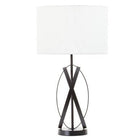
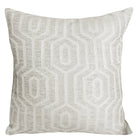
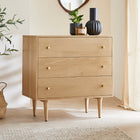
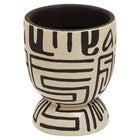
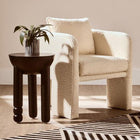
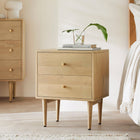
Have you noticed how home decor trends 2025 is going through a complete transformation?
Gone are the days when minimalism and bland neutrals ruled every living room.
Today, more than 80 percent of homeowners are embracing eco-friendly materials, personalised details, and designs that feel both stylish and sustainable.
Comfort and creativity are stealing the spotlight, and the most inspiring interiors are coming from bold colour choices, smart technology, and sustainable living—all blended seamlessly under one roof.
Table of Contents
- Embrace Sustainable Materials For A Greener Home
- Incorporate Bold Colours For A Vibrant Atmosphere
- Focus On Multifunctional Spaces For Efficiency
- Use Natural Light To Enhance Your Decor
- Integrate Smart Home Technology Seamlessly
- Explore Vintage And Retro Aesthetics
- Prioritise Personalisation In Your Home Decor
Quick Summary
| Takeaway | Explanation |
|---|---|
| Embrace sustainable materials for eco-friendly decor | Using reclaimed wood, bamboo, and recycled materials reduces environmental impact and enhances aesthetic appeal. |
| Incorporate bold colours for dynamic spaces | Use vibrant hues to create focal points and influence emotional experiences in your home. |
| Design multifunctional spaces for flexibility | Create adaptable areas with modular furniture and smart tech to support various activities and lifestyles. |
| Maximise natural light for psychological benefits | Enhance wellness and mood by integrating natural light through strategic design choices and minimal window treatments. |
| Prioritise personalisation for unique expressions | Curate spaces that reflect your identity through meaningful collections, custom furniture, and personal artefacts. |
1: Embrace Sustainable Materials for a Greener Home
Home decor trends 2025 are shifting dramatically towards environmental consciousness, with sustainable materials taking centre stage. As we become more aware of our ecological footprint, our design choices reflect a commitment to responsible living.
According to Interior Architecture Research Institute, sustainable interior design is no longer a niche preference but a mainstream movement. Homeowners are actively seeking materials that minimise environmental impact while creating beautiful, functional spaces.
The key sustainable materials transforming home decor include:
- Reclaimed wood: Adding warmth and character while reducing deforestation
- Bamboo: A rapidly renewable resource with incredible durability
- Recycled glass: Creating stunning decorative elements with minimal environmental cost
- Cork: Providing excellent insulation and unique textural qualities

These materials offer more than aesthetic appeal. They represent a holistic approach to design that considers environmental responsibility alongside visual beauty. Recycled and upcycled materials are not just trendy—they’re a statement about our commitment to planetary health.
When selecting sustainable materials, consider their entire lifecycle. Look for products with:
- Low carbon footprint
- Minimal processing requirements
- Potential for future recycling
- Local sourcing to reduce transportation emissions
Making sustainable choices doesn’t mean compromising on style. Modern sustainable materials come in diverse textures, colours, and finishes that can complement any interior design aesthetic. From sleek minimalist spaces to warm, eclectic environments, eco-friendly materials offer incredible versatility.
By embracing these sustainable home decor trends, you’re not just decorating a space—you’re contributing to a global movement towards more responsible, mindful living. Your home becomes a testament to environmental stewardship, proving that beautiful design and ecological consciousness can coexist harmoniously.

2: Incorporate Bold Colours for a Vibrant Atmosphere
In 2025, home decor trends are breaking free from muted palettes, embracing bold and expressive colours that transform living spaces into dynamic personal statements. Gone are the days of playing it safe with neutral tones—this year is about making a powerful visual impact.
According to Association of Physical Plant Administrators, colours dramatically influence our psychological and emotional experiences within interior spaces. The strategic use of vibrant hues can completely reshape how we perceive and interact with our environment.
When incorporating bold colours, consider these essential strategies:
- Create focal points with intense, saturated colours
- Balance dramatic shades with neutral backdrops
- Layer complementary tones for depth and complexity
The home decor trends for 2025 highlight several exciting colour directions:

- Deep emerald green representing luxury and connection with nature
- Rich terracotta reflecting warmth and earthiness
- Electric blue signalling confidence and creativity
- Vibrant mustard yellow introducing energy and optimism
Understanding colour psychology is crucial. Warm colours like red and orange can stimulate conversation and create excitement, while cool tones such as blue and green promote calmness and relaxation. This knowledge allows you to curate spaces that not only look stunning but also support your desired emotional atmosphere.
Don’t be afraid to experiment with unexpected colour combinations. A bold peacock blue wall paired with burnt orange accessories can create a sophisticated, contemporary feel. Similarly, combining deep burgundy with soft sage green can produce a surprisingly harmonious and elegant environment.

Remember, incorporating bold colours doesn’t mean overwhelming your space. The key is strategic application—perhaps through an accent wall, statement furniture piece, or carefully chosen artwork. These deliberate colour choices can transform an ordinary room into an extraordinary personal sanctuary that reflects your unique style and energy.
3: Focus on Multifunctional Spaces for Efficiency
Home decor in 2025 is revolutionising how we conceptualise living spaces, with multifunctional design emerging as a critical trend. As our homes become more dynamic environments, the ability to adapt spaces quickly and seamlessly has never been more important.
According to Stanford University’s Center for Integrated Facility Engineering, redesigning spaces to align with occupant usage patterns can dramatically improve efficiency and sustainability.
Multifunctional spaces represent more than a design choice—they’re a practical response to modern living. With remote work, flexible schedules, and evolving family dynamics, our homes must be versatile, intelligent environments that can transform at a moment’s notice.
Key principles of multifunctional design include:
- Modular furniture that can be easily reconfigured
- Hidden storage solutions to maintain clean aesthetics
- Flexible room layouts that serve multiple purposes
- Smart technology integration for seamless transitions

Consider a living room that effortlessly transitions from a workspace during the day to an entertainment hub in the evening. This might involve:
- A desk that folds into a wall
- Seating with built-in charging stations
- Acoustic panels that improve sound quality for video calls and movie nights
- Lighting systems that adjust based on activity and time of day
The psychological benefits of multifunctional spaces are profound. By reducing clutter and creating adaptable environments, we minimise stress and enhance our ability to focus, relax, and connect with our living spaces.
Investment in multifunctional design is not just about aesthetics—it’s about creating intelligent, responsive environments that support our ever-changing lifestyles. As we move through 2025, the most successful home decor will prioritise flexibility, efficiency, and human-centric design.
4: Use Natural Light to Enhance Your Decor
In 2025, natural light has become the ultimate design element, transforming spaces from mere rooms into vibrant, living environments. More than just illumination, it’s a powerful tool that can dramatically reshape how we experience and interact with our living spaces.
According to International Journal of Environmental Research and Public Health, exposure to natural light significantly impacts our psychological well-being, cognitive function, and overall satisfaction with indoor environments.
Maximising natural light involves strategic design approaches that go beyond simply opening curtains. It’s about creating a holistic relationship between architecture, interior design, and the surrounding environment.

Key strategies for enhancing natural light include:
- Minimalist window treatments that allow maximum light penetration
- Reflective surfaces like mirrors and light-coloured walls
- Strategically placed furniture that doesn’t obstruct light flow
- Glass partitions instead of solid walls
Consider these innovative techniques for amplifying natural illumination:
- Use metallic accents to bounce light across rooms
- Select translucent furniture that allows light to pass through
- Install skylights or solar tubes in darker areas
- Opt for lightweight, sheer curtains
The aesthetic benefits extend beyond mere brightness. Natural light creates visual depth, making spaces feel larger, more open, and infinitely more inviting. It highlights architectural details, enhances colour vibrancy, and creates a seamless connection between indoor and outdoor environments.
Psychologically, increased natural light exposure has profound effects. It regulates our circadian rhythms, boosts mood, increases productivity, and creates a sense of natural harmony within our living spaces. By prioritising natural light, we’re not just designing rooms—we’re crafting holistic environments that nurture our physical and emotional well-being.
5: Integrate Smart Home Technology Seamlessly
Smart home technology in 2025 has evolved from a novelty to an essential aspect of modern living, transforming how we interact with our personal spaces. These intelligent systems are no longer about gadgetry, but creating intuitive, responsive environments that anticipate and support our daily needs.
Research from MIT Technology Review reveals that seamless technological integration is now a primary consideration for homeowners seeking both convenience and aesthetic sophistication.
Intelligent design means technology should blend invisibly into our living spaces, enhancing functionality without disrupting visual harmony. Modern smart home solutions are about elegant simplification, not overwhelming complexity.

Key technological integration strategies include:
- Voice-activated control systems that feel natural and unobtrusive
- Aesthetic design that complements existing decor
- Modular devices that can be easily reconfigured
- Energy-efficient technologies that reduce environmental impact
Consider these innovative smart home approaches:
- Lighting systems that adjust based on time of day and activity
- Temperature controls that learn individual preferences
- Security systems integrated invisibly into architectural elements
- Furniture with built-in charging and connectivity features
The true magic of smart home technology lies in creating personalised environments that respond intuitively to individual lifestyles. Imagine walls that subtly change colour to match your mood, or kitchen appliances that suggest recipes based on available ingredients.
Beyond convenience, these technologies offer enhanced sustainability. Smart systems can dramatically reduce energy consumption, track resource usage, and create more environmentally responsible living spaces. By 2025, home technology is not just about making life easier—it’s about making our homes more intelligent, responsive, and aligned with our holistic well-being.
6: Explore Vintage and Retro Aesthetics
Vintage and retro aesthetics are experiencing a remarkable renaissance in 2025, transforming home decor with nostalgic elegance that bridges generational design perspectives. Far from being mere repetitions of past styles, these approaches celebrate the timeless beauty of design history.
According to Florida Realtors Design Insights, contemporary design is increasingly drawing inspiration from bold geometric patterns and rich, evocative colour palettes of previous decades.
The beauty of vintage design lies in its ability to tell stories through objects, creating spaces that feel deeply personal and rich with character. It’s not about recreating an exact historical period, but about curating meaningful pieces that resonate with individual style.

Key principles of integrating vintage aesthetics include:
- Mixing eras rather than strictly adhering to one period
- Selecting statement pieces with unique history
- Balancing vintage items with contemporary elements
- Preserving original craftsmanship and patina
Consider these strategies for incorporating retro design:
- Use mid-century modern furniture as focal points
- Display vintage artwork or photography
- Incorporate textural elements like macramé or woven tapestries
- Select period-inspired lighting fixtures
The most successful vintage designs in 2025 are those that honour historical craftsmanship while feeling completely modern. A 1960s Danish sideboard can look stunning alongside minimalist contemporary art, creating a dialogue between different design languages.
Vintage aesthetics are more than a trend—they’re a celebration of design evolution, offering a sense of connection to our cultural heritage while expressing individual creativity. By thoughtfully integrating pieces from different eras, we create living spaces that are simultaneously nostalgic and forward-looking.
7: Prioritise Personalisation in Your Home Decor
In 2025, home decor has transcended generic design approaches, embracing personalisation as the ultimate expression of individual identity. Your living space is no longer just a room—it’s a canvas that tells your unique story, reflecting your experiences, passions, and personal journey.
According to Architectural Interior Design Research, homeowners are increasingly seeking bespoke design solutions that go beyond standard mass-produced aesthetics.
Personalisation is about creating spaces that resonate deeply with your authentic self. It means moving beyond trend-driven choices and designing environments that genuinely reflect your personality, memories, and aspirations.
Key strategies for personalising your home include:
- Curating meaningful collections that tell your story
- Displaying family heirlooms and personal artifacts
- Incorporating artwork that speaks to your emotional landscape
- Creating custom furniture that matches your specific needs
Consider these innovative personalisation approaches:
- Commission artwork from local artists
- Design custom furniture pieces
- Create photo walls with meaningful memories
- Integrate personal travel souvenirs into decor
The most compelling personalised spaces are those that blend emotional resonance with aesthetic sophistication. It’s not about filling a room with random objects, but carefully selecting pieces that create a cohesive narrative about who you are.
Personalisation in 2025 is about celebrating individuality through thoughtful, intentional design. Your home becomes a living, breathing reflection of your inner world—a sanctuary that nurtures your spirit and tells your unique story through carefully curated elements.

Below is a comprehensive table summarising the essential home decor trends and takeaways from the article. Refer to this table for an at-a-glance overview of 2025’s most influential interior design directions and recommendations.
| Trend / Theme | Key Points & Strategies | Main Benefits/Outcomes |
|---|---|---|
| Sustainable Materials | Use reclaimed wood, bamboo, recycled glass, cork; seek low carbon footprint, local sourcing, and upcycled products | Eco-friendly living, reduced environmental impact, versatile aesthetic |
| Bold Colours | Incorporate deep green, terracotta, electric blue, mustard yellow; create focal points, layer complementary hues | Dynamic, personalised atmosphere; emotionally engaging spaces |
| Multifunctional Spaces | Utilise modular furniture, hidden storage, flexible layouts, smart technology | Space efficiency, adaptability for evolving lifestyles, reduced clutter |
| Maximising Natural Light | Employ minimal window treatments, reflective surfaces, light-coloured walls, glass features; strategic furniture placement | Enhanced wellness, mood, and productivity; visually larger, inviting spaces |
| Seamless Smart Technology Integration | Adopt voice controls, modular devices, invisible systems, energy-saving technologies | Convenience, intuitive living, increased sustainability |
| Vintage & Retro Aesthetics | Mix eras, display statement and historic pieces, balance with modern decor | Nostalgic elegance, personal storytelling, connection to heritage |
| Personalisation | Curate collections, display heirlooms, commission local art, opt for bespoke furniture | Expresses unique identity, creates meaningful and authentic interiors |
Transform Your Space with Inspired Wall Art for 2025
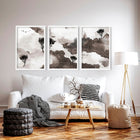
Are you striving to bring the latest 2025 home decor trends into your home but feeling uncertain about where to start? Whether your challenge lies in personalising your walls or searching for statement pieces that reflect both sustainability and individuality, finding the right art is essential. The article highlights the importance of bold colour choices, sustainable material, and personalised interiors—but often the hardest part is sourcing distinctive wall art that turns these ideas into reality.

Pro Tips
Visual Inspiration from our Content Hub
Explore the Content Hub
Other About Wall Art blogs you might enjoy:
- How to Select the Right Picture Frames for Your Artwork
- How to Use Art On Walls to Anchor a Color Scheme
When exploring 2025’s bolder colour trends, tie them into your wall art first. A statement abstract print in emerald or mustard can transform the room instantly—without committing to repainting walls or replacing furniture.
More About
For more inspiration on global design directions, explore: Elle Décor – Interior Design Trends 2025