

Ever wondered how the history of wall art has shaped the way we decorate our homes today?
From ancient cave markings to the gallery walls we lovingly curate, our desire to express ourselves on the walls around us is deeply human.
In this guide, we’ll explore the incredible journey of wall art through the ages and uncover how these timeless traditions continue to inspire the decor choices we make in our modern homes.
Let’s take a walk through history together and discover ideas that can help you create a space that feels meaningful, stylish, and beautifully you.
List of Contents
- The Enduring Allure of Decorated Walls
- Ancient Expressions on Walls and Tombs
- Sacred Stories and Artistic Rebirth
- From Grand Interiors to Patterned Walls
- Defining Personal Style in the Modern Home
- How Walls Tell Our Collective Story
- More about…
- Pro Tips…
The Enduring Allure of Decorated Walls
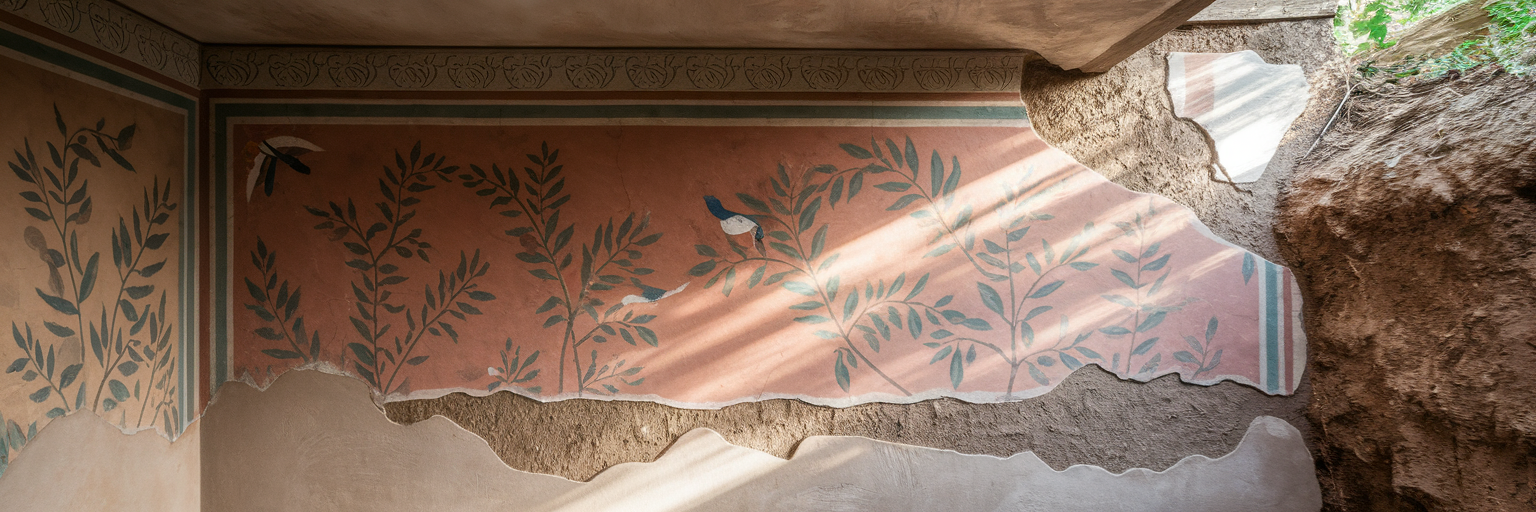 I often think about that fundamental human desire to make a mark, to turn a blank space into something that feels like our own. This thread connects us through time, from the first handprints on a cave wall to the carefully curated gallery wall above a modern sofa.
Decorating with art is so much more than just filling a space. It’s a reflection of our personality, our culture, and the stories we want our homes to tell.
When we choose a piece of art, we’re doing more than just matching colours. We are adding a layer of our own story to our home. Understanding the history of wall art helps us make more meaningful choices, connecting our personal taste to a tradition that spans millennia. By looking back, we can find incredible home decor inspiration homes have embraced for centuries.
This journey through the history of wall art isn't just an academic exercise; it’s about discovering timeless ideas and exploring different styles to create a home that feels uniquely you.
Ancient Expressions on Walls and Tombs
The story of wall decoration begins long before houses had living rooms. It starts in the deep, quiet dark of caves, where our ancestors created the first masterpieces.
This early chapter in the history of wall art gives us a glimpse into a world driven by ritual and storytelling.
From Cave Paintings to Egyptian Murals
Some of the earliest murals, according to Wikipedia, date back as far as 40,000 years. These weren't just pretty pictures; they were powerful forms of communication. Fast forward to Ancient Egypt, and you see this idea on a grand scale.

The walls of tombs and temples were covered in intricate murals that told stories of gods, pharaohs, and the journey to the afterlife. They used a rich palette of colours made from ground minerals, creating art designed to last for eternity.

This part of the interior design history shows us that art has always been about telling a story.
The Frescoes of Greece and Rome
The Greeks and Romans perfected the art of the fresco, a technique where paint is applied to wet plaster. As the plaster dried, the pigment became a permanent part of the wall. This method, known as 'buon fresco', created incredibly durable and vibrant art.

Roman villas, from Pompeii to the ones we find here in Britain, were adorned with scenes of mythology, landscapes, and daily life. The colours they used—rich terracotta, earthy ochre, and deep black—are timeless.
In fact, they can still inspire a wonderfully warm and inviting atmosphere in a modern home. This part of the history of wall art provides a beautiful palette of earth tone wall decor that feels both ancient and incredibly current.
Sacred Stories and Artistic Rebirth
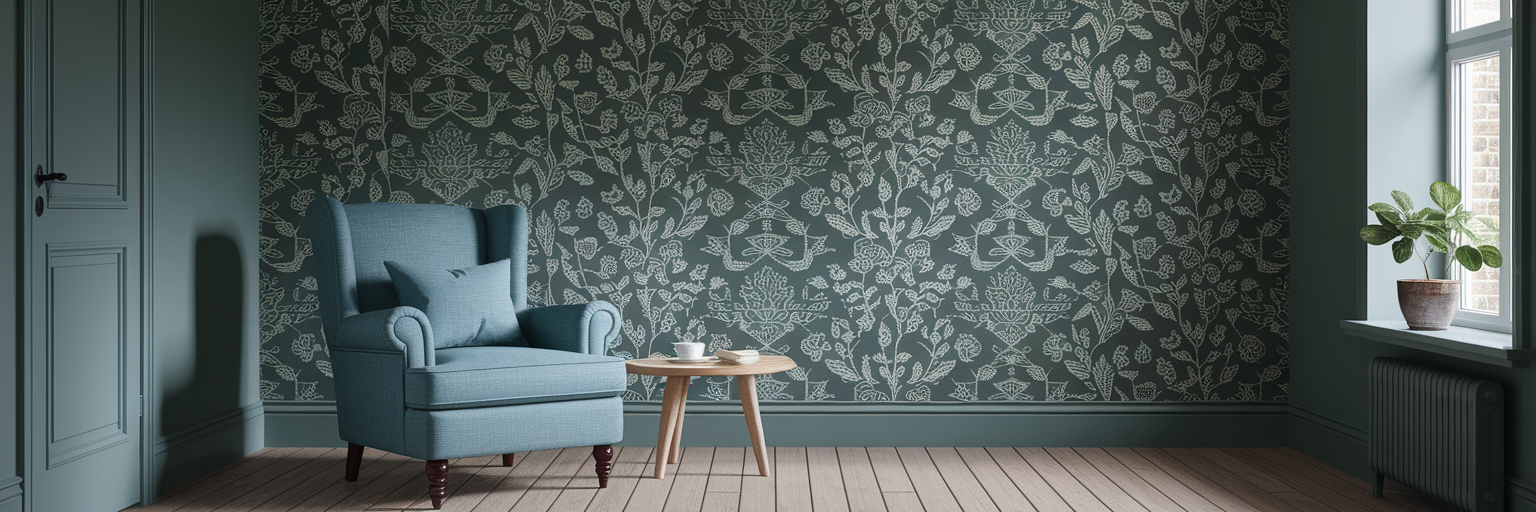 As we move into the Middle Ages, the purpose of wall art shifted dramatically. It became a powerful tool for teaching and inspiration, especially within the church. This era added rich new textures and narratives to the history of wall art.
Medieval Narratives in Churches and Castles
In a time when most people couldn't read, the walls of churches became visual storybooks. Grand frescoes and shimmering stained-glass windows depicted biblical scenes, teaching lessons and inspiring awe.

In castles and grand homes, another form of wall art became popular: the tapestry. These huge, woven textiles were not just decorative. They were practical, providing insulation against the cold stone walls, and they were a major status symbol.
This textile chapter is a crucial part of the history of wall art, showing how function and beauty can be woven together.
The Renaissance Revolution
The Renaissance was a period of incredible artistic change. Artists like Michelangelo and Leonardo da Vinci transformed walls into monumental canvases. With the development of techniques like perspective, they created scenes with a new sense of realism and depth. Suddenly, a flat wall could look like a window into another world.

The focus shifted from purely religious stories to include mythology, history, and portraiture. The ambition and scale of Renaissance frescoes, like those in the Sistine Chapel, show how a single wall can hold an entire universe of ideas.

For a modern home, the deep jewel tones of medieval tapestries can inspire a wonderfully cosy and rich atmosphere, perhaps with a large fabric wall hanging or a print that echoes those colours.
From Grand Interiors to Patterned Walls
The 18th and 19th centuries marked a significant turning point in the history of wall art. Decoration was no longer just for the church or the ultra-wealthy.
New technologies and changing tastes brought art and pattern into more homes than ever before, a key moment in the democratisation of design.
The Rise of Decorative Painting
In the grand homes of the 18th century, decorative painting reached new heights of opulence. Styles like Baroque and Rococo favoured ornate plasterwork, gilded details, and elaborate murals that created a sense of drama and movement.
Walls were seen as an integral part of the architectural design, with every surface contributing to a lavish, cohesive look. This period of the history of wall art was all about making a grand statement.
Wallpaper and Framed Art for All
The 19th century brought two major innovations that changed everything: mass-produced wallpaper and the rise of framed art. British designer William Morris became famous for his intricate, nature-inspired wallpaper designs that brought beauty into the home.

At the same time, more people could afford to buy prints and paintings. This led to the popularity of the 'salon-style' gallery wall, where a collection of pictures was hung closely together.

This is a fantastic idea that still works beautifully today. The process of choosing art for your home became a more personal and accessible activity. A great tip is to create a classic gallery wall by mixing vintage-style frames with modern prints for a look that is both timeless and personal. This democratisation is a key moment in the history of wall art.
Defining Personal Style in the Modern Home
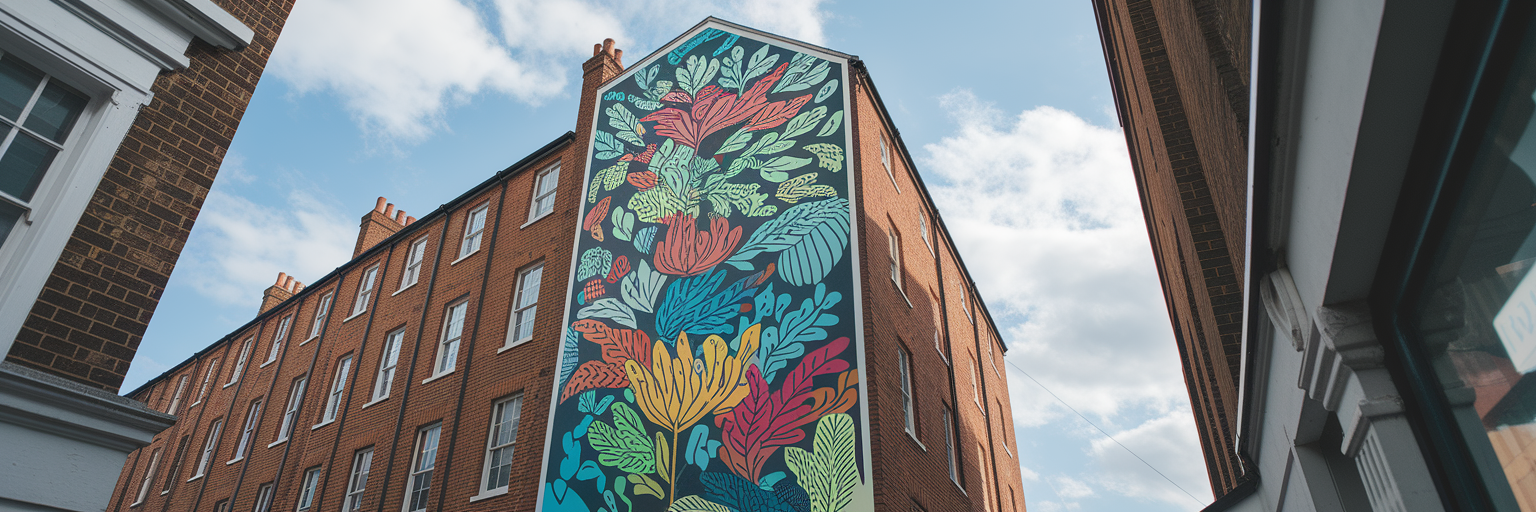
Today, we are lucky to live in an era of incredible choice. The 20th and 21st centuries have seen an explosion of artistic styles, meaning there has never been a better time to express your personality through your walls. This recent chapter in the history of wall art is all about individuality.
An Explosion of Styles
Major art movements like Abstract Expressionism and Minimalism broke all the rules, shifting the focus from realistic depiction to emotion, colour, and form. This opened the door for the huge variety of modern wall art ideas we see today. Some of the most popular trends include:
- Typographic Art: Using words and quotes for personal expression.
 SHOP HERE
- Large-Scale Abstract Art: Creating a calming, emotional focal point.
 SHOP HERE
- Minimalist Prints: Focusing on clean lines and simple forms.
 SHOP HERE
- Digital and Mixed-Media Art: The newest chapter in the history of wall art.
 SHOP HERE
Finding Your Perfect Match
The best part about modern decorating is that there are no rules. You can mix and match styles to create a look that is completely your own. A minimalist print can look fantastic next to a bohemian wall hanging. An abstract canvas can be the perfect counterpoint to a traditional piece. To help you find what resonates with you, I've put together this simple guide.
| Style | Creates a Mood of... | Best For... | Key Characteristics |
|---|---|---|---|
| Abstract | Calm, contemplation, energy | Living rooms, bedrooms | Colour, form, texture over realism |
| Minimalist | Serenity, order, simplicity | Offices, hallways, modern spaces | Clean lines, neutral palettes, negative space |
| Typographic | Inspiration, personality, humour | Kitchens, home offices, galleries | Focus on fonts, words, and phrases |
| Bohemian | Warmth, creativity, free-spirit | Bedrooms, cosy nooks | Natural textures, earthy tones, eclectic patterns |
How Walls Tell Our Collective Story
When we look at the entire history of wall art, we see more than just changing styles. We see a mirror reflecting our collective story.
Wall art has always been a powerful form of social and cultural expression. This is true whether we are looking at the political murals of Latin America, the delicate scroll paintings of Asia, or the vibrant street art that brings life to cities like Manchester and Bristol.
This global perspective enriches the history of wall art immensely. All of these traditions, from every corner of the world, contribute to the vast library of ideas we can draw from today.
When we choose art for our own four walls, we are participating in this ancient human practice. We are using colour, form, and story to turn a house into a home. The art we choose is a quiet declaration of who we are and what we value. It’s our personal contribution to the long and beautiful history of wall art.
 SHOP HERE
Embracing your own part in the history of wall art is what makes a space truly yours.
More about…
Embark on a journey of artistic expression through the ages. Learn how to choose pieces that tell your personal story. Join us as we explore the topic of The History of Wall Art: From Ancient Frescoes to Modern Masterpieces. Click here to uncover more inspiration and tips for decorating your personal sanctuary.
Pro Tips…
Feeling inspired? To see how these historical styles and modern trends come to life, I encourage you to explore our Content hub. It’s filled with visual ideas and tips to help you find the perfect pieces for your home.
Discover inspiring Home decor tips and trends to suit a variety of styles and moods.
- How to Choose the Perfect Prints for Your Living Room
- 8 Essential tips to shop online decoration for home
- 7 Accent wall art ideas for a stunning home
I hope this guide inspires you to view wall art as both a decorative element and a powerful tool for creating a sanctuary tailored to your relaxation needs. Which style are you leaning towards? Let me know—I’d love to hear your ideas!


