

Have you ever thought about how much your surroundings influence the way you work? The truth is, the right Office Decor Ideas can do far more than make your workspace look nice—they can actually boost focus, creativity, and even motivation.
In fact, studies show that something as simple as adding the right piece of art can increase productivity by up to 37%. But the real magic happens when you bring together a mix of proven elements like lighting, colour, plants, and smart technology.
With the right balance, you can shape an environment that not only supports efficiency but also makes your workday feel lighter, calmer, and more inspiring.
Table of Contents
- Use Inspiring Wall Art
- Incorporate Indoor Plants
- Choose Functional Furniture
- Harness Natural Light
- Create Defined Work Zones
- Add Personal Office decor ideas
- Utilise Organisational Tools
- Play With Colour Schemes
- Invest In Quality Lighting
- Implement Tech-Friendly Features
Quick Summary
| Takeaway | Explanation |
|---|---|
| Inspiring wall art boosts productivity | Artwork chosen for its emotional resonance can enhance motivation and creativity in the workplace. |
| Indoor plants improve mood and air quality | Introducing greenery in the office reduces stress and makes the environment more inviting and supportive. |
| Functional furniture enhances work efficiency | Ergonomic and adaptable furniture supports diverse working styles, promoting comfort and productivity. |
| Natural light significantly influences performance | Maximising natural light improves mood and cognitive function, positively affecting employee satisfaction. |
| Personal touches foster professional identity | Curating a workspace with meaningful items supports motivation and creates a more engaging work environment. |

1: Use Inspiring Wall Art
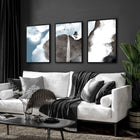
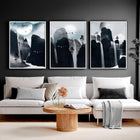
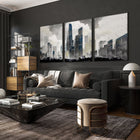
Transforming your office space into a productivity powerhouse begins with strategic wall art selection. As research from National Arts Program demonstrates, thoughtfully chosen artwork can dramatically enhance workplace performance and psychological well-being.
Inspiring wall art is more than decorative embellishment - it’s a powerful tool for motivation and mental stimulation. The right visual elements can trigger creative thinking, reduce stress, and create an environment that encourages innovation. When selecting office decor ideas, consider artwork that resonates with your professional goals and personal aesthetic.
Key considerations for selecting inspiring wall art include:
- Choose images that spark positive emotions and reflect your professional aspirations
- Select artwork with colours that complement your office’s existing colour palette
- Opt for pieces that tell a story or represent professional growth and achievement
Interestingly, research by Knight and Haslam revealed that employees involved in selecting workplace art experienced up to 37% increased productivity. This statistic underscores the profound psychological impact of personalised office decor.
When implementing office decor ideas, remember that artwork should create a balanced environment. Avoid cluttered walls or overly distracting pieces. Instead, choose art that provides visual interest without overwhelming your workspace. Consider motivational quotes, abstract representations of success, or landscape images that promote a sense of calm and focus.
Ultimately, inspiring wall art transforms your office from a mere working area into a dynamic, creativity-boosting environment that nurtures professional growth and personal well-being.

2: Incorporate Indoor Plants
Bringing nature into your workspace is more than an aesthetic choice - it’s a strategic approach to enhancing productivity and well-being. Research in PubMed highlights the profound psychological benefits of indoor plants, demonstrating their potential to boost creative performance and improve mood.
Indoor plants serve multiple functions in an office environment. They are not merely decorative elements but powerful productivity enhancers that purify air, reduce stress, and create a more inviting workspace. The right selection of greenery can transform a sterile office into a vibrant, inspiring environment.
When selecting plants for your office, consider these key characteristics:
- Low maintenance requirements for busy professionals
- Ability to thrive in indoor lighting conditions
- Compact size suitable for desk or shelf placement
- Air-purifying qualities
Some excellent office plant options include snake plants, spider plants, pothos, and succulents. These varieties are known for their resilience, minimal care needs, and aesthetic appeal. Snake plants, for instance, are particularly remarkable for their air-purifying capabilities and ability to survive in low-light conditions.

Placement is crucial when incorporating plants into your office decor. Consider positioning plants near natural light sources, but avoid direct sunlight that might damage more delicate varieties. Smaller plants work wonderfully on desks or shelves, while larger floor plants can create natural dividers in open-plan workspaces.
Beyond their visual appeal, indoor plants contribute to a healthier work environment. They help reduce ambient noise, increase humidity, and can lower stress levels. By introducing greenery, you’re not just decorating - you’re actively creating a more supportive, productive workspace that nurtures both mental and physical well-being.
3: Choose Functional Furniture
Functional furniture transforms your workspace from a static environment into a dynamic productivity hub. Research from the National Center for Biotechnology Information reveals that intelligent furniture design can significantly enhance cognitive performance and brain activity.
Choosing the right furniture goes beyond aesthetic considerations. Ergonomic design and adaptability are crucial elements that directly impact workplace efficiency and employee well-being. Modern professionals require furniture that supports multiple working styles and physical needs.
When selecting functional furniture, consider these essential criteria:
- Adjustability to accommodate different body types and working preferences
- Flexibility to support various work modes (sitting, standing, collaborative)
- Integrated technology support for seamless digital workflow
- Comfort that promotes sustained concentration
Sit-stand desks represent a revolutionary approach to office furniture. These adaptable workstations allow employees to change postures throughout the day, reducing the health risks associated with prolonged sitting. By enabling movement, such furniture actively contributes to physical and mental well-being.

Storage solutions also play a critical role in functional furniture design. Multifunctional pieces that offer integrated storage help maintain a clean, organised workspace. Look for desks with built-in drawers, shelving units that double as room dividers, and modular furniture that can be reconfigured based on immediate workplace needs.
Beyond individual workstations, consider how furniture supports team dynamics. Collaborative spaces with flexible seating arrangements and mobile furniture encourage spontaneous interactions and creative problem-solving. The goal is to create an environment that adapts to your work rhythm, not constrain it.
4: Harness Natural Light
Natural light is a game-changing element in office design, offering far more than aesthetic appeal. Research by Northwestern Medicine reveals that strategic light exposure profoundly impacts workplace performance and employee well-being.
The psychological and physiological benefits of natural light extend far beyond simple illumination. Sunlight regulates our circadian rhythms, influences mood, and directly contributes to enhanced cognitive function. Offices that prioritise natural light create environments that support both mental and physical health.
Key strategies for maximising natural light include:
- Position workstations near windows
- Use light-reflective surfaces and colours
- Remove heavy window treatments
- Consider glass partitions to distribute light

For spaces with limited natural light, alternative solutions can mimic daylight’s positive effects. Full-spectrum lighting that replicates natural sunlight wavelengths can provide similar cognitive benefits. These artificial alternatives help combat the negative impacts of traditional fluorescent lighting, which can cause eye strain and reduce productivity.
Workplace design should view natural light as a critical resource, not an afterthought. Architectural considerations like open floor plans, strategically placed windows, and transparent internal walls can dramatically improve light distribution. Even small adjustments, such as repositioning desks or using light-coloured furniture, can enhance the perception and impact of available natural light.
Beyond productivity, natural light contributes to employee satisfaction and retention. Workers consistently report preferring bright, sunlit environments over artificially lit spaces. By prioritising natural illumination, organisations signal a commitment to employee well-being that extends far beyond basic workplace functionality.
5: Create Defined Work Zones
Defining clear work zones transforms an ordinary office into a dynamic, purpose-driven environment. Research from the National Center for Biotechnology Information demonstrates that strategic workspace zoning can significantly enhance physical activity, reduce stress, and boost overall productivity.
The concept of defined work zones goes beyond simple spatial organisation. It’s about creating flexible environments that support different work styles, tasks, and collaboration needs. By carefully designing distinct areas, you enable employees to choose spaces that best suit their current work requirements.
Consider establishing these essential work zones:
- Collaborative areas for team discussions and brainstorming
- Quiet zones for focused, individual work
- Social spaces for informal interactions and breaks
- Technology-enabled meeting rooms

Acoustic management plays a crucial role in effective zone design. Use sound-absorbing materials, strategic furniture placement, and visual barriers to create acoustic separation between different work areas. This helps maintain concentration and reduces unnecessary workplace disruptions.
Flexibility is key in modern office design. Movable furniture, modular partitions, and adaptable technologies allow work zones to evolve with changing team dynamics and project requirements. The goal is to create a responsive environment that supports rather than constrains workplace interactions.
Remember that successful work zone design is not about rigid compartmentalisation but creating an organic, fluid workspace that adapts to your team’s unique needs. By thoughtfully designing these areas, you create an environment that promotes creativity, collaboration, and individual productivity.
6: Add Personal office decor ideas
Personalising your workspace is more than aesthetic indulgence - it’s a strategic approach to enhancing workplace satisfaction and productivity. Research from PubMed reveals that workers who perceive greater control over their physical environment experience improved job performance and reduced stress.
Personal touches transform generic spaces into meaningful, motivating environments that reflect individual personality and professional aspirations. By curating your workspace with intentional, thoughtful elements, you create a psychological anchor that supports emotional well-being and professional identity.

Consider incorporating these personalisation strategies:
- Display meaningful photographs or achievement mementoes
- Use colour schemes that inspire and energise you
- Include small objects that represent personal goals
- Create a vision board highlighting professional objectives
The key is subtle, purposeful personalisation. Avoid cluttering your workspace with excessive decorations that might distract from your primary work objectives. Each personal item should serve a psychological or motivational purpose, whether it’s a cherished photograph that reminds you of your support network or a small object symbolising a professional milestone.

Memory and motivation are deeply interconnected. Personal items can serve as powerful psychological triggers, helping to maintain focus, spark creativity, and remind you of your broader professional journey. A carefully curated workspace becomes more than just a physical location - it transforms into a personal sanctuary that supports your professional growth and emotional resilience.
Remember, the most effective personal touches are those that genuinely resonate with your individual story, aspirations, and professional identity. Your workspace should feel like an extension of yourself - inspiring, authentic, and uniquely motivating.
7: Utilise Organisational Tools
Organisational tools are the silent architects of workplace productivity, transforming chaotic workflows into streamlined, efficient systems. Research from Rutgers University underscores the critical role digital tools play in managing tasks, tracking progress, and maintaining professional momentum.
Digital organisation is no longer optional - it’s a fundamental strategy for modern professionals seeking to maximise their potential. The right tools can dramatically reduce mental clutter, provide clear visual task management, and create accountability in your professional ecosystem.
Consider implementing these essential organisational strategies:
- Use project management platforms like Trello or Asana
- Integrate digital calendars with task tracking systems
- Establish clear digital filing and archiving protocols
- Leverage cloud-based collaboration tools
Productivity platforms offer more than simple task tracking. They create comprehensive ecosystems that integrate communication, task allocation, progress monitoring, and collaborative features. By centralising workflow management, these tools eliminate unnecessary communication barriers and reduce time spent on administrative coordination.
Choosing the right organisational tools requires understanding your specific professional needs. Some professionals thrive with minimalist task managers, while others require robust platforms with extensive feature sets. The key is finding a system that complements your working style without creating additional complexity.
Remember that organisational tools are most effective when used consistently and intentionally. They are not magic solutions but powerful instruments that require strategic implementation and ongoing refinement. Regularly evaluate your tools, remain open to new technologies, and be willing to adapt your systems as your professional landscape evolves.
8: Play with Colour Schemes
Colour is a powerful psychological tool that can dramatically influence workplace productivity and emotional well-being. Research published in PubMed reveals that strategic colour selection in office environments can significantly impact perceived job performance and overall satisfaction.
Colour psychology transforms workspaces from mundane environments into dynamic, energising landscapes. Different hues trigger specific psychological responses, making colour selection a nuanced art of emotional and cognitive manipulation.
Consider these colour strategy principles:
- Blue promotes calmness and enhances focus
- Green stimulates creativity and reduces eye strain
- Yellow encourages optimism and mental clarity
- White creates a sense of spaciousness and cleanliness

The scientific approach to colour selection goes beyond aesthetic preferences. Cool tones like blue and green tend to create calming environments that support concentration, while warmer tones like yellow can spark creativity and enthusiasm. Neutral colours provide a balanced backdrop that prevents sensory overload.
Understanding colour temperature is crucial. Cool colours typically recede visually, making spaces feel larger and more tranquil. Warm colours advance, creating a sense of intimacy and energy. By strategically combining these temperatures, you can design a workspace that adapts to different emotional and professional needs.
Remember that individual perception varies. What energises one person might distract another. The most effective colour schemes are those that reflect your personal working style, professional goals, and emotional landscape. Experiment, observe, and refine your colour strategy to create a workspace that truly resonates with your professional identity.
9: Invest in Quality Lighting
Lighting is far more than a functional necessity - it’s a powerful catalyst for workplace performance and well-being. Research from recent studies demonstrates that strategic lighting significantly influences worker alertness, visual comfort, and overall satisfaction.
Illumination is a sophisticated science that goes beyond simply brightening a space. The right lighting can modulate mood, enhance cognitive function, and create an environment that supports peak professional performance. Understanding the nuanced interplay between light intensity, colour temperature, and human physiology is crucial.
Consider these essential lighting principles:
- Position task lighting to reduce eye strain
- Use layered lighting with ambient and direct sources
- Select colour temperatures that support different work activities
- Incorporate adjustable lighting options
Colour temperature plays a critical role in workplace productivity. Warmer tones around 3000K create a comfortable, relaxed atmosphere, while cooler temperatures near 5000K promote alertness and concentration. By strategically varying light temperatures, you can design a dynamic workspace that adapts to different professional tasks and emotional states.

Ergonomic lighting design extends beyond aesthetic considerations. It involves understanding how light impacts circadian rhythms, visual perception, and psychological well-being. Harsh fluorescent lighting can cause fatigue and reduce motivation, whereas thoughtfully designed illumination can energise and inspire.
Remember that individual light sensitivity varies. What works brilliantly for one professional might overwhelm another. The most effective lighting strategy is personalised, flexible, and responsive to your unique working style and physiological needs.
10: Implement Tech-Friendly Features
In our rapidly evolving digital landscape, creating a tech-friendly workspace is no longer a luxury - it’s a professional necessity. Research in the International Journal of Environmental Research and Public Health highlights how technologically enhanced environments directly influence cognitive performance and job satisfaction.
Modern workspaces are digital ecosystems that require strategic technological integration. The right tech features can transform your office from a static environment into a dynamic, responsive workspace that adapts to your professional needs.
Consider implementing these tech-friendly strategies:
- Install multiple charging stations with universal adaptors
- Create dedicated areas for video conferencing
- Integrate wireless connectivity throughout the workspace
- Invest in ergonomic tech accessories
Cable management is a critical yet often overlooked aspect of tech-friendly design. Messy, tangled cables not only create visual chaos but can also impede workflow and create unnecessary stress. Utilise cable organisers, hidden routing systems, and wireless technologies to create clean, streamlined technological environments.

Ergonomic considerations extend beyond traditional desk setups. Consider adjustable monitor stands, wireless keyboards and mice, and standing desk converters that allow seamless transitions between sitting and standing positions. These features support physical health while maintaining technological efficiency.
Remember that technology should simplify, not complicate. The most effective tech-friendly features are those that integrate seamlessly into your workflow, reducing friction and enhancing your natural working rhythm. Continuously evaluate and update your technological infrastructure to stay ahead of emerging professional trends.
Below is a comprehensive table summarising the key office decor ideas discussed in the article, including their purpose, principal benefits, and essential implementation strategies. This overview will help you quickly grasp all the techniques suggested for creating a productive and inspiring workspace.
| Office Decor Idea | Purpose/Focus | Key Benefits | Implementation Tips |
|---|---|---|---|
| Inspiring Wall Art | Visual motivation and creativity | Boosts productivity, sparks creative thinking | Choose meaningful, positive art with complementary colours |
| Indoor Plants | Biophilic enhancement of workspace | Improves mood, air quality, and reduces stress | Select low maintenance, air-purifying varieties |
| Functional Furniture | Ergonomics and adaptability | Enhances comfort and work efficiency | Opt for adjustable, multipurpose, and tech-integrated pieces |
| Harness Natural Light | Well-being and cognitive support | Regulates circadian rhythms, improves satisfaction | Maximise window exposure, use reflective surfaces |
| Defined Work Zones | Spatial organisation for workflow | Supports focus, activity, and collaboration | Establish quiet, collaborative, and social areas |
| Personal Touches | Individualisation for psychological comfort | Increases motivation, strengthens identity | Display photos, achievements, and use inspiring colours |
| Organisational Tools | Workflow streamlining and task management | Reduces mental clutter, enhances accountability | Implement digital planners and project management tools |
| Play With Colour Schemes | Mood and cognitive performance | Enhances focus, creativity, and satisfaction | Use colour psychology principles for wall and accent choices |
| Quality Lighting | Visual comfort and alertness | Elevates concentration and visual health | Layer task/ambient lighting, use adjustable colour temperature |
| Tech-Friendly Features | Seamless digital working environment | Improves efficiency and job satisfaction | Install charging stations, manage cables, add ergonomic tech |
Elevate Your Productivity With Inspiring Wall Art
Are you struggling to turn your workspace into a source of daily motivation and focus? The article highlights how choosing the right wall art can spark creativity, boost efficiency, and strengthen your professional mindset. If dull surroundings or a lack of visual inspiration are impacting your drive, now is the perfect time to transform your office with thoughtfully curated artwork that truly empowers your workflow.

Discover a wide selection of contemporary and customisable pieces at About Wall Art. Create a workspace that reflects your personality and supports your productivity journey. Do not let another uninspired day pass. Visit About Wall Art now and find the perfect centrepiece that will encourage your best work every day.
Pro Tips:
Enhance Your Workspace with Expert Insights
1. Art for an Office Wall: Inspiring Your Workspace
Discover how thoughtfully chosen artwork can transform your workspace into a hub of creativity and productivity. This guide offers practical tips on selecting art that aligns with your professional goals and personal aesthetic.
2. Never Too Small: Wall Decoration Office Ideas for Tiny Apartments
Learn how to maximize limited space with strategic wall decorations that enhance functionality and style. This article provides innovative solutions for creating an efficient and inspiring office in small apartments.
3. Zen Home Decor Ideas: Achieving Calm and Serenity in Your Living Space
Explore how Zen-inspired decor can bring tranquility and focus to your workspace. This piece delves into the principles of Zen design and how to incorporate them into your office decor.
More About:
For a comprehensive exploration of how office environments influence productivity and well-being, consider reading this research-based article:
The Impact of Office Interior Design on Employee Well-Being
This study examines how various elements of the physical workspace, including lighting, layout, and decor, affect employee satisfaction, health, and performance.