
Access Denied
The site owner may have set restrictions that prevent you from accessing the site. Please contact the site owner for access.
Protected by
The site owner may have set restrictions that prevent you from accessing the site. Please contact the site owner for access.


Interior design styles are more than just aesthetics — they're visual languages that express personality, lifestyle, and values. Understanding different styles helps you articulate what you love, make confident design decisions, and create spaces that truly feel like home.
This comprehensive guide explores 25 distinct interior design styles, from timeless classics like Traditional and Mid-Century Modern to contemporary trends like Japandi and Biophilic Design. Each style has unique characteristics, color palettes, materials, and moods. Whether you're redesigning your entire home or just looking for inspiration, you'll find detailed descriptions, visual examples, and practical guidance for achieving each look.
Before diving into individual styles, it helps to understand the major philosophical differences that separate design approaches. These comparisons show how different styles sit on various spectrums — from formal to casual, minimal to maximal, warm to cool.

Modern design embraces clean lines, minimal ornamentation, and neutral palettes. It's characterized by open spaces, geometric shapes, and contemporary materials like glass, metal, and smooth surfaces. Traditional design features rich colors, ornate details, classic furniture with carved elements, and layered textiles. Traditional spaces feel established and timeless, while modern spaces feel fresh and uncluttered.

Minimalism follows the "less is more" philosophy with monochromatic palettes, essential furniture only, and abundant negative space. Maximalism celebrates abundance with bold colors, layered patterns, gallery walls, and collected objects displayed openly. Minimalism creates calm through restraint; maximalism creates energy through abundance.

Warm styles (Bohemian, Farmhouse, Rustic) use earthy palettes — terracotta, rust, warm beiges, browns. They incorporate natural wood in medium to dark tones, cozy textures like chunky knits and woven textiles, and golden, amber lighting. Cool styles (Scandinavian, Coastal, Minimalist) favor whites, greys, light blues, and sage greens. They use pale woods, crisp linens, and bright, cool-toned lighting. Temperature affects mood profoundly — warm styles feel cozy and grounding, cool styles feel fresh and energizing.

Formal styles (Old Money, Traditional) feature symmetrical arrangements, matching furniture sets, rich fabrics like silk and velvet, polished surfaces, and ornate details. Casual styles (Boho, Farmhouse) embrace asymmetry, mix-matched pieces, comfortable fabrics like cotton and linen, lived-in surfaces, and minimal ornamentation. Formal spaces suit entertaining and create impressive first impressions; casual spaces prioritize comfort and everyday living.

Monochrome schemes stick strictly to black, white, and grey, creating sophisticated, high-contrast spaces with graphic impact. Colorful approaches embrace multiple hues — teal, coral, yellow, pink, green — creating joyful, energetic atmospheres. Monochrome feels timeless and dramatic; colorful feels playful and personal.
Each style below includes detailed characteristics, color palettes, key elements, and links to explore the look further in your own home.
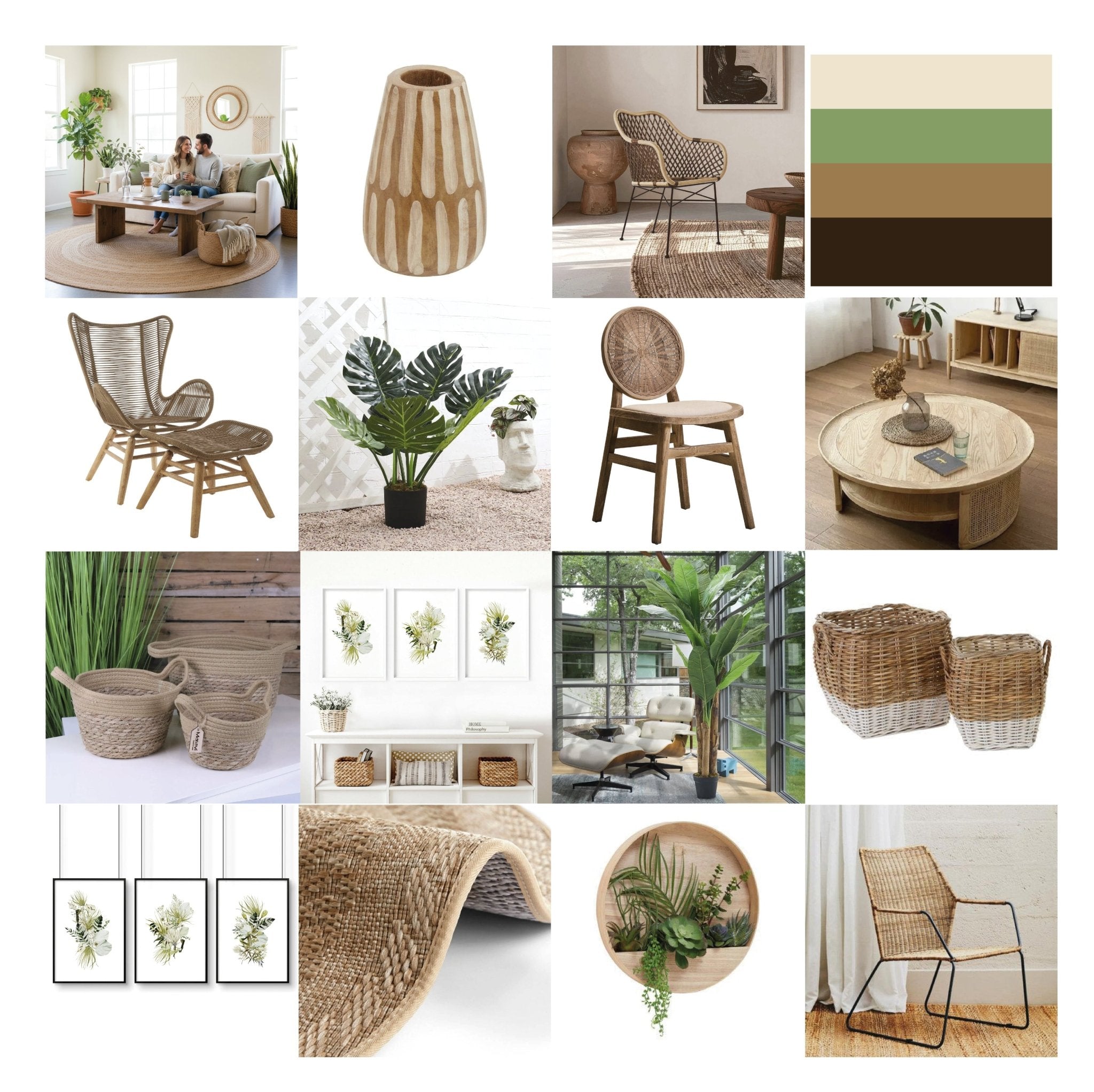
Biophilic design brings nature indoors to create healthier, more harmonious living spaces. This science-backed approach incorporates natural elements, materials, and patterns to satisfy humans' innate need to connect with nature.
Greens (sage, forest, moss), earth tones (terracotta, sand, clay), natural wood tones, crisp whites, soft blues.
Health-conscious individuals, plant lovers, those seeking stress reduction, urban dwellers craving nature connection, anyone wanting improved air quality and wellbeing.
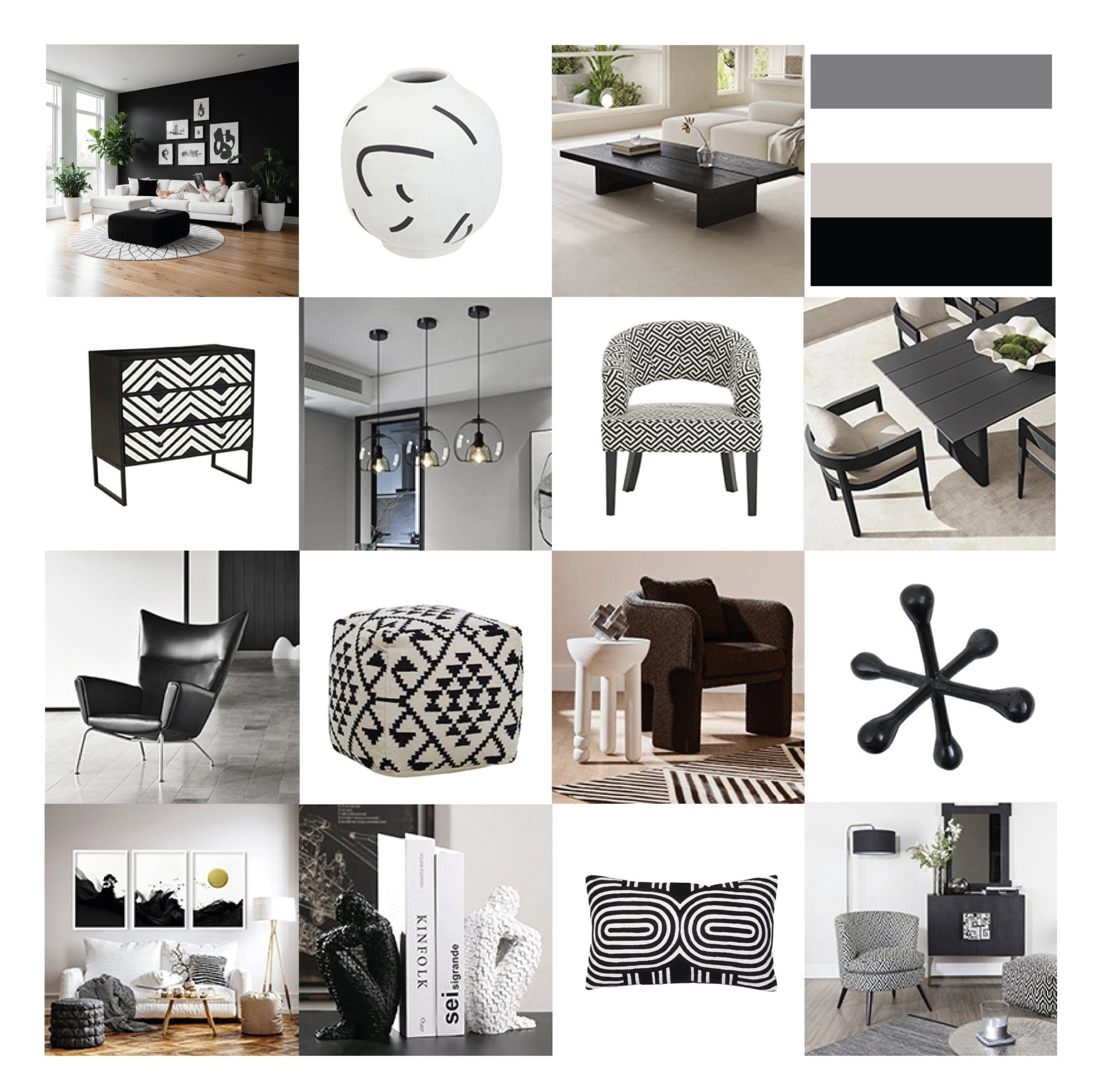
Black and white design is timeless, sophisticated, and bold. This monochromatic approach creates high-contrast, graphic spaces that feel both classic and contemporary. The absence of color allows form, texture, and pattern to shine.
Pure white, true black, charcoal grey, dove grey. No other colors.
Minimalists, photography enthusiasts, those who want timeless design, small spaces (high contrast creates definition), anyone seeking sophisticated drama without color commitment.
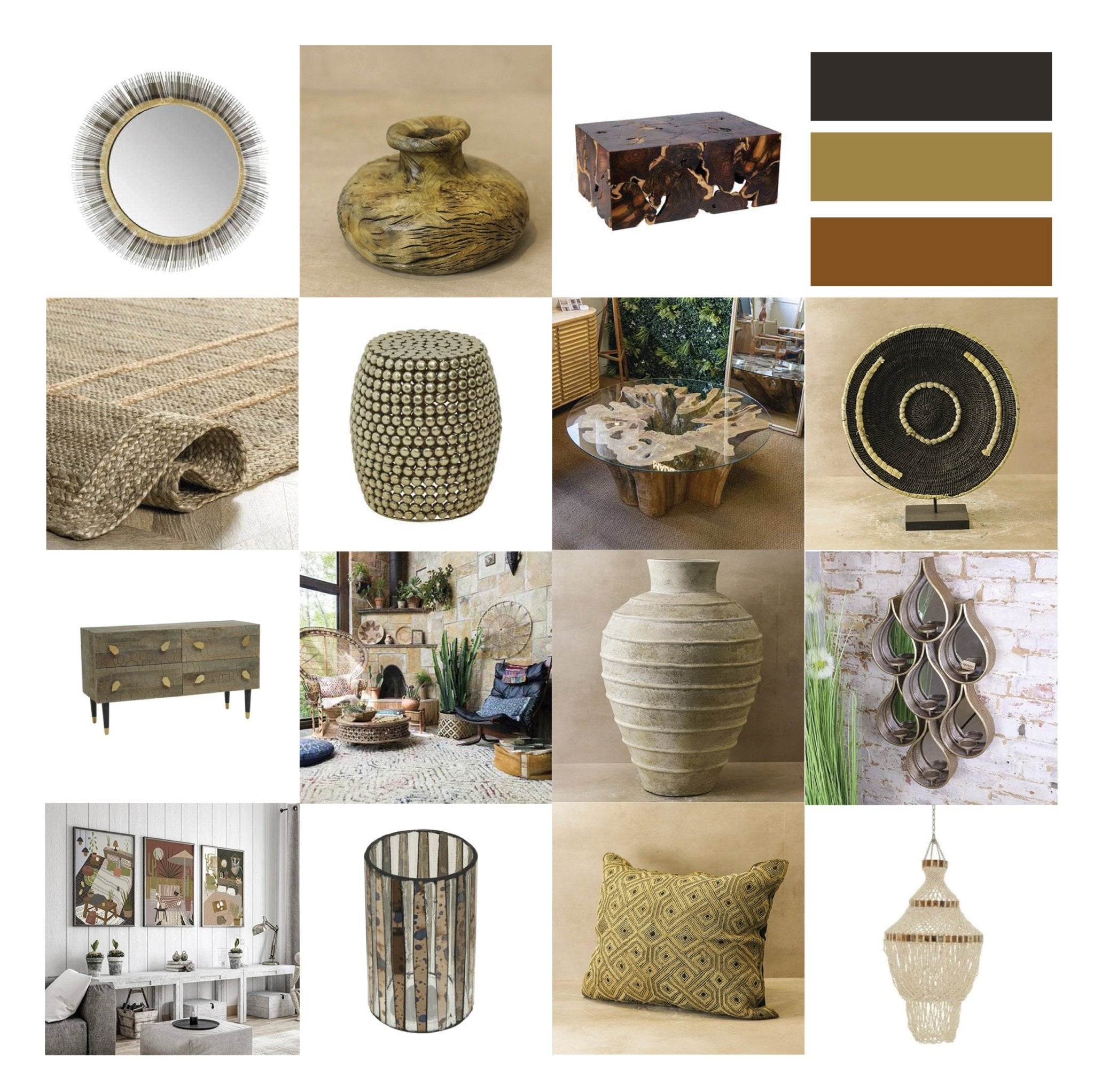
Bohemian style celebrates free-spirited creativity, global influences, and artistic expression. It's characterized by rich colors, layered textiles, plants, and collected treasures that tell stories. Boho spaces feel warm, welcoming, and deeply personal.
Warm earth tones (terracotta, rust, ochre), jewel tones (emerald, sapphire, ruby), burnt orange, mustard yellow, deep purples.
Free spirits, artists, travelers, collectors, those who love color and pattern, anyone seeking cozy, eclectic, non-traditional spaces.
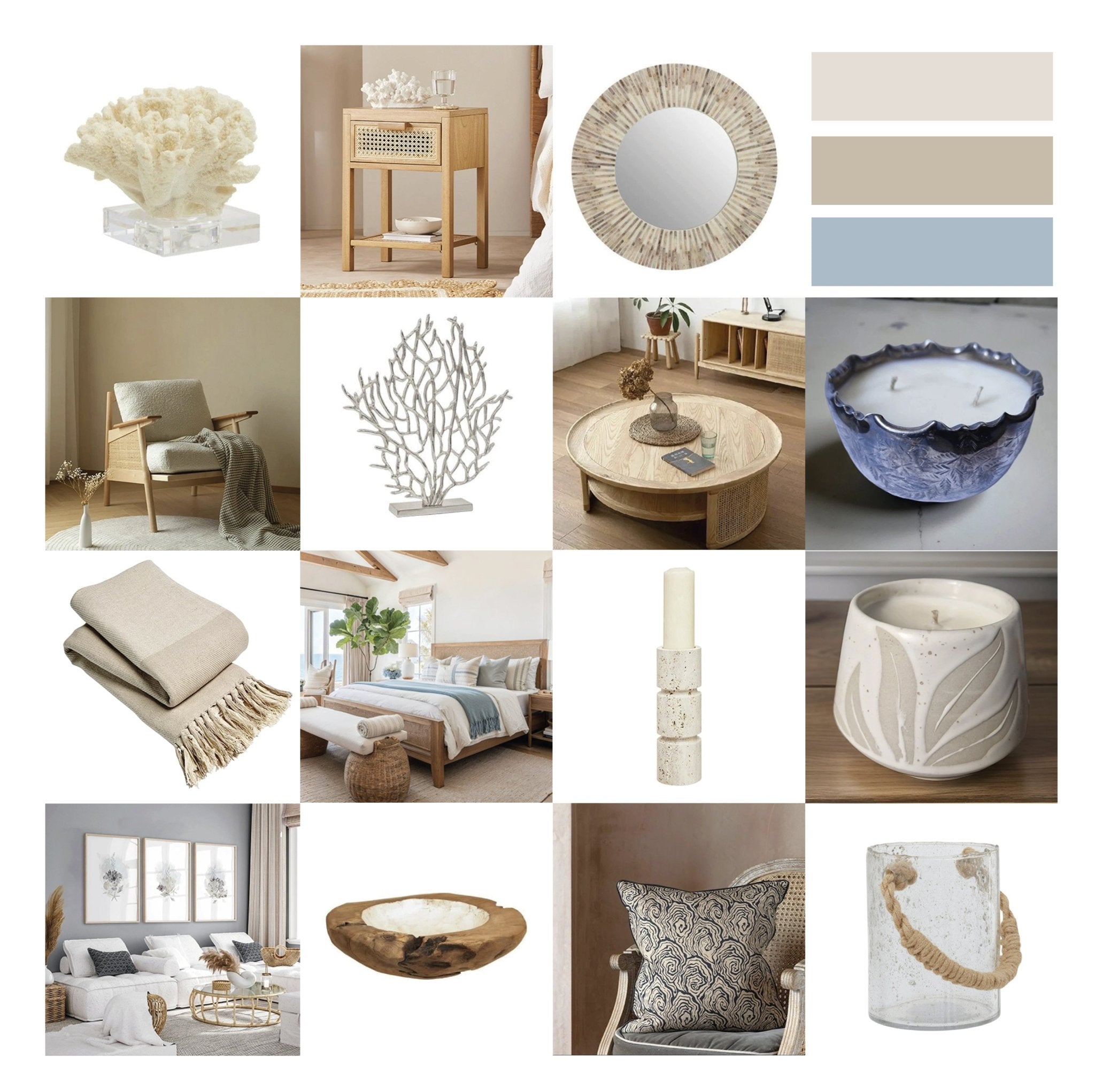
Coastal design captures the breezy, relaxed elegance of beachside living. Also called Hamptons style, it combines crisp whites, soft blues, and natural textures to create fresh, airy spaces that feel like a permanent vacation.
Crisp white, soft blues (sky, sea, powder), sandy beige, driftwood grey, seafoam green, coral accents.
Beach lovers, those seeking relaxed elegance, warm climates, vacation homes, anyone wanting fresh, airy, casual sophistication.
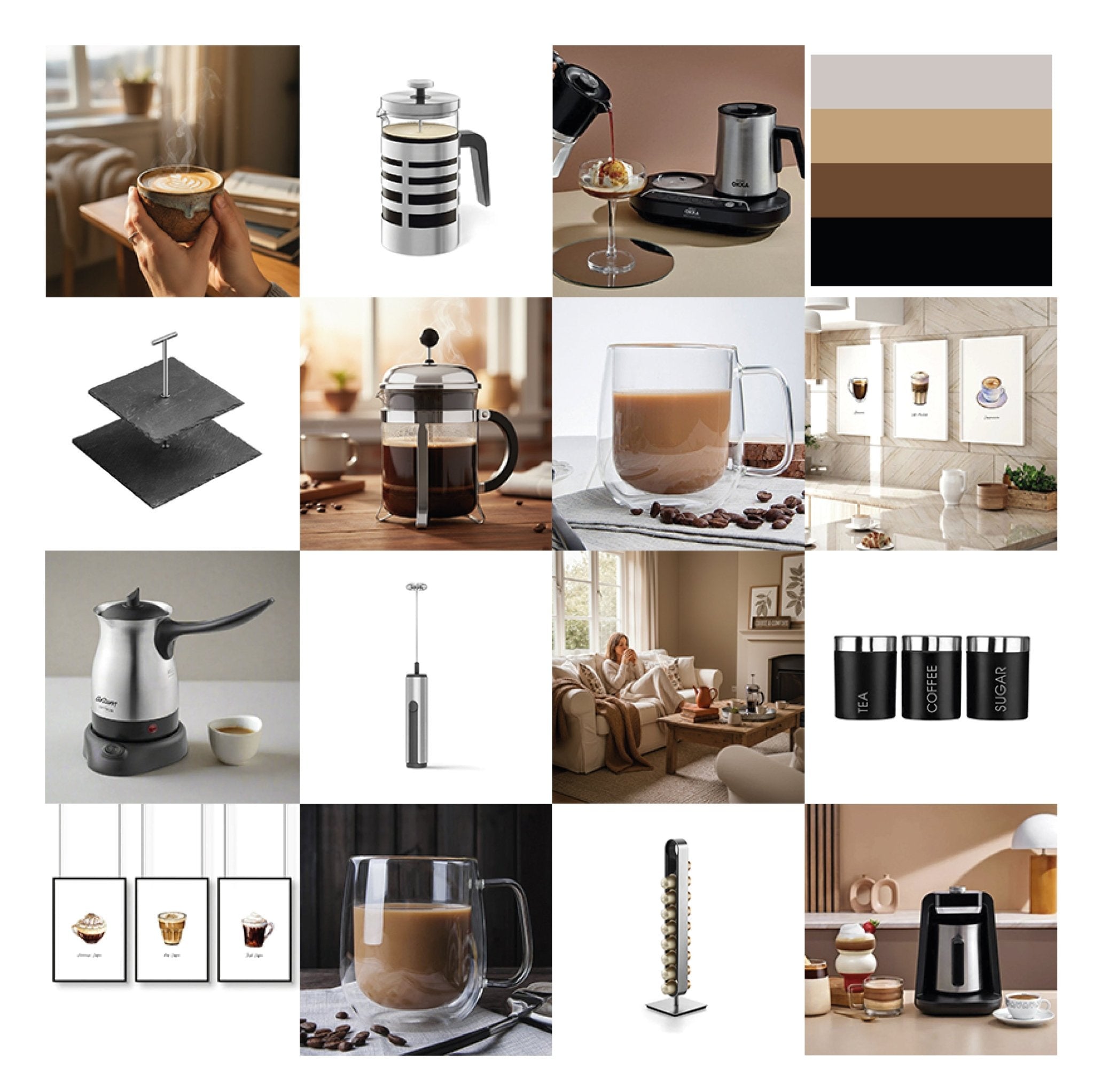
Coffee house design brings the warm, inviting atmosphere of your favorite café into your home. It combines industrial elements with cozy textures, warm lighting, and rich earth tones to create spaces that feel both energizing and comforting.
Coffee browns, cream, caramel, charcoal grey, warm wood tones, matte black accents.
Coffee enthusiasts, home office spaces, breakfast nooks, those who love café culture, anyone wanting cozy yet energizing spaces.
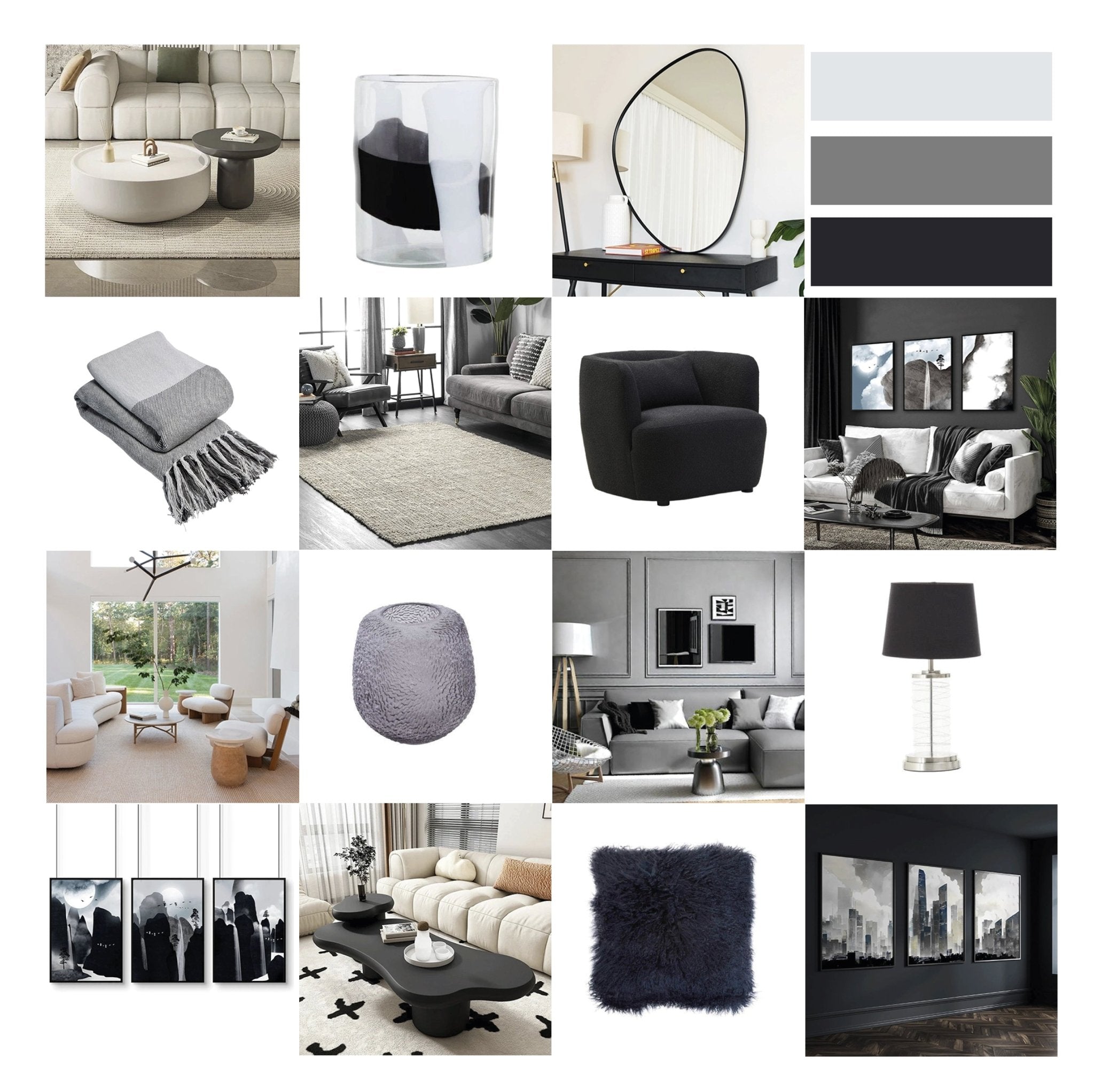
Contemporary design represents current trends and evolves with time. While "modern" refers to mid-20th century design, "contemporary" means "of the moment." Today's contemporary style emphasizes clean lines, neutral palettes, and a mix of materials and textures.
Whites, greys, beiges, blacks, with bold accent colors like deep blue, emerald green, or burnt orange.
Those who appreciate current design trends, open-concept homes, minimalists with a softer edge, anyone seeking sophisticated simplicity.
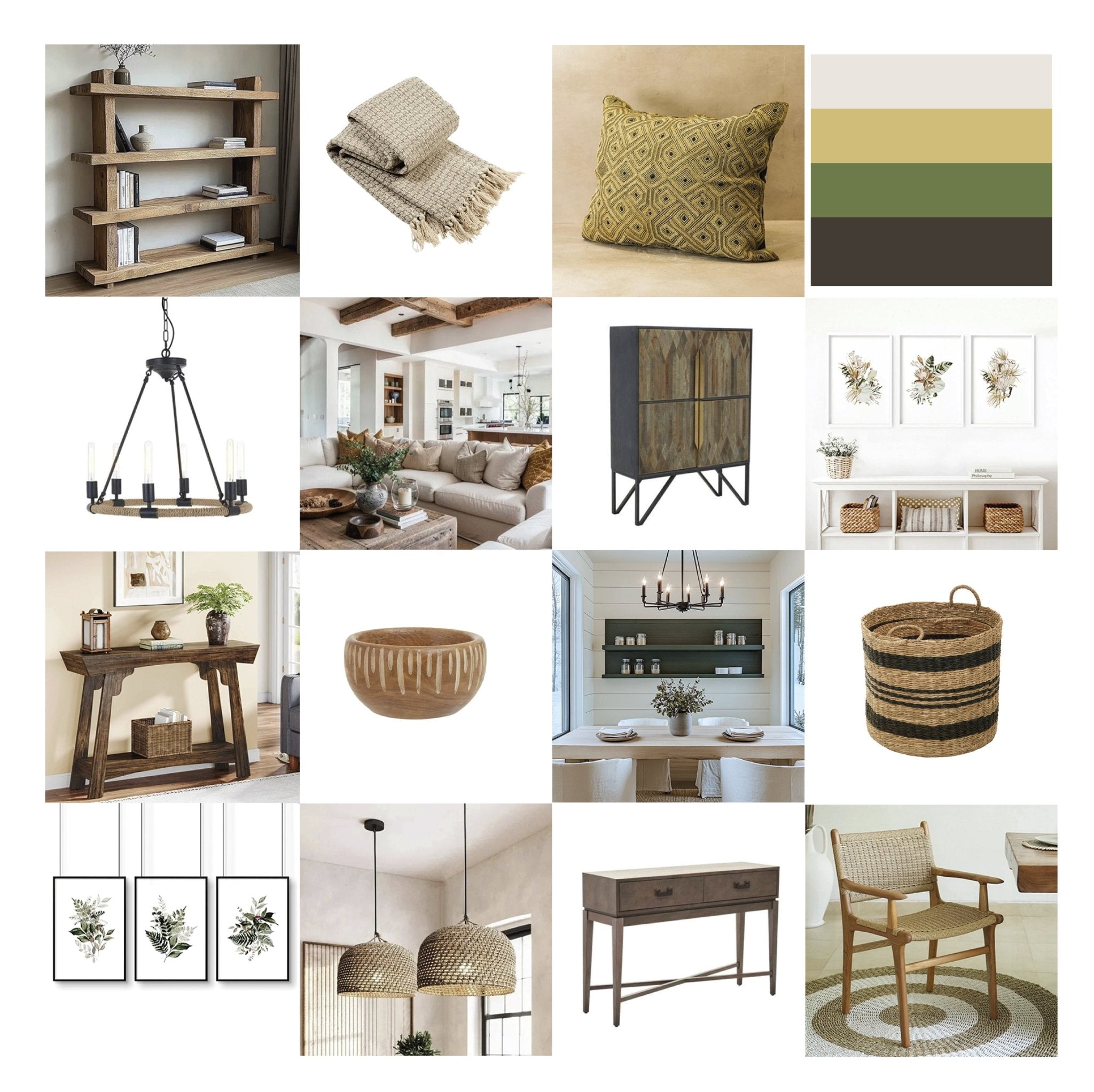
Country cottage style evokes the charm of rural English or French countryside homes. It's cozy, romantic, and lived-in, featuring floral patterns, vintage finds, and a soft, feminine aesthetic that feels like a warm hug.
Soft whites, pastel pinks, lavender, sage green, butter yellow, faded blues.
Romantics, vintage lovers, those seeking cozy charm, countryside homes, anyone who loves floral patterns and soft, lived-in elegance.
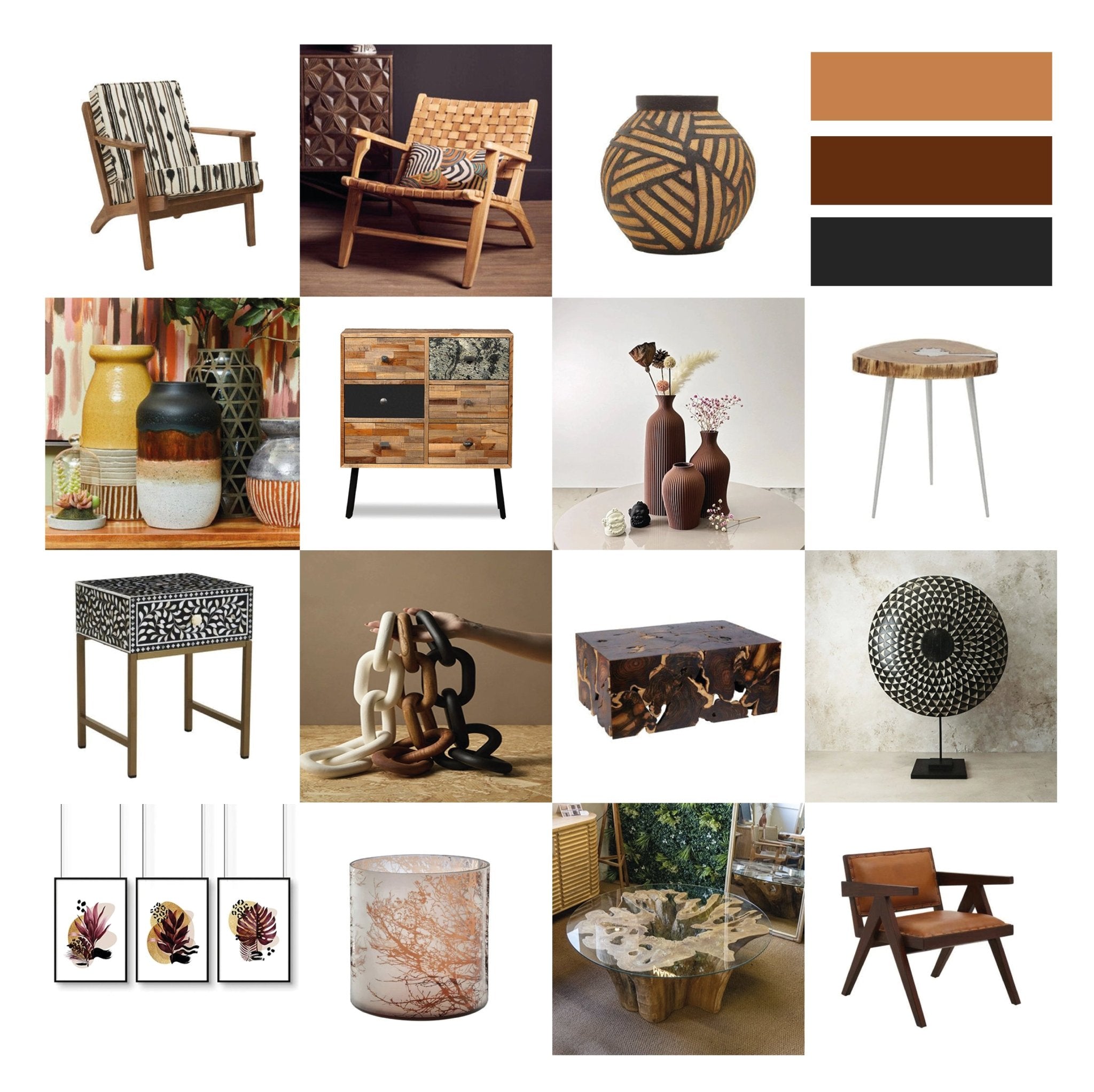
Eclectic maximalism celebrates "more is more" with fearless color combinations, pattern mixing, and abundant collections. It's highly personal, breaking traditional design rules to create spaces full of life, energy, and individuality.
All colors welcome — jewel tones, brights, pastels, earth tones mixed fearlessly.
Bold personalities, collectors, art lovers, those who reject minimalism, anyone seeking highly personal, energetic spaces.
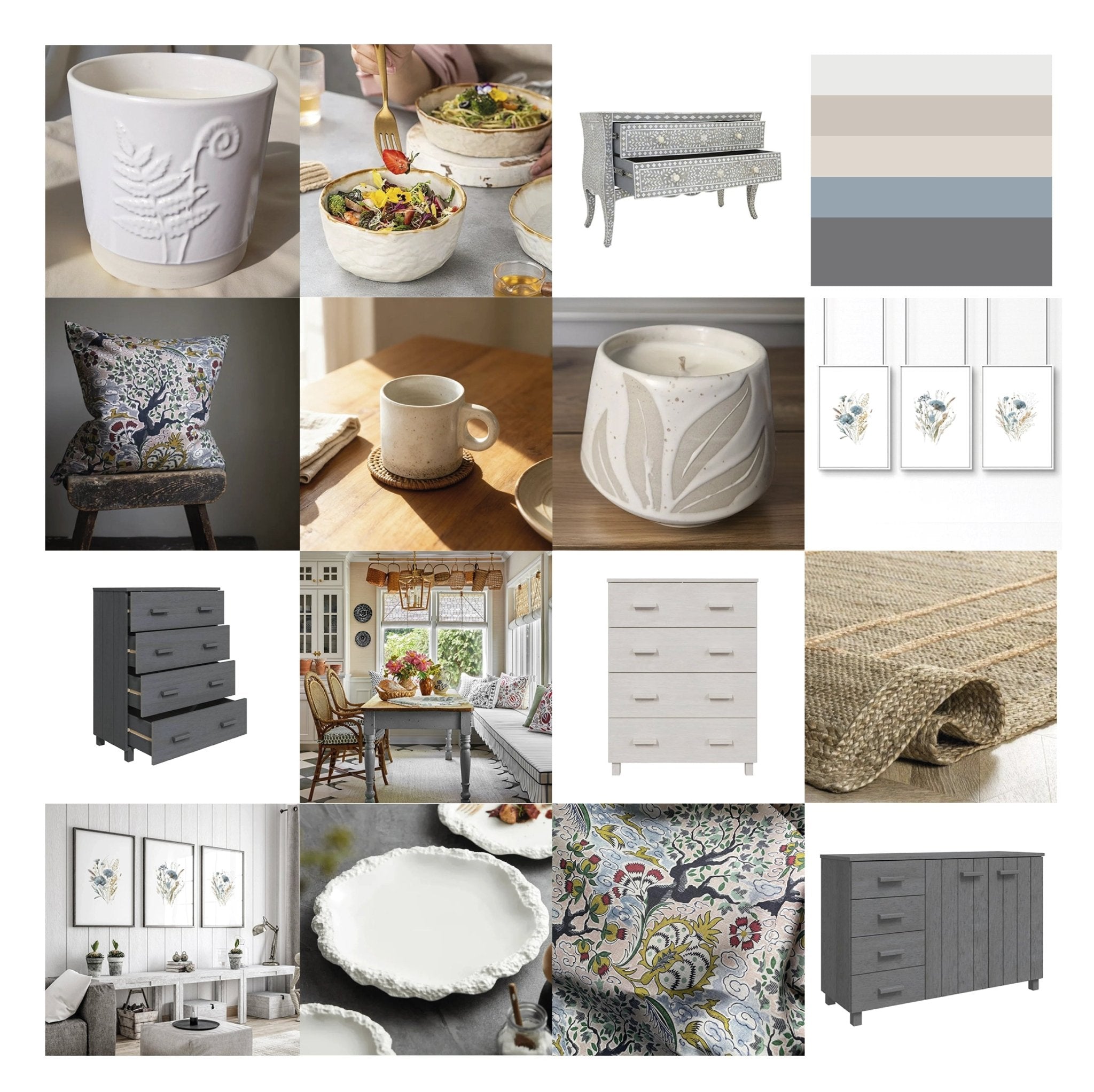
Farmhouse style blends rustic charm with comfortable, lived-in appeal. Modern Farmhouse updates the look with cleaner lines and lighter palettes while maintaining the cozy, welcoming warmth. It's practical, family-friendly, and approachable.
Whites, creams, warm greys, natural wood tones, black accents, soft blues, sage greens.
Families, rural homes, those seeking casual comfort, lovers of rustic charm, anyone wanting cozy, unpretentious spaces.
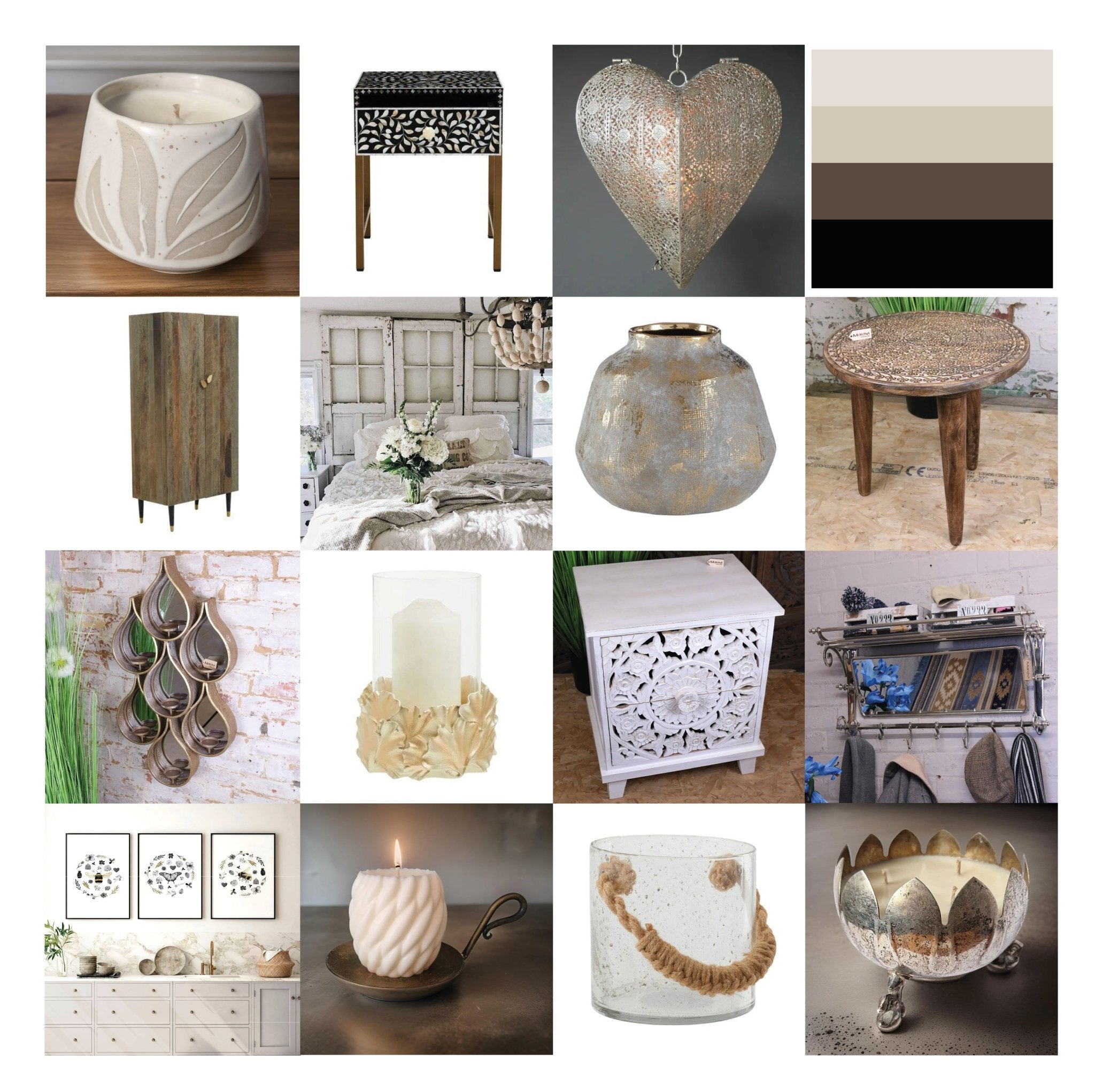
French Country design captures the elegant rusticity of the French countryside — Provence lavender fields, Parisian flea markets, and château charm. It's sophisticated yet comfortable, blending ornate details with warm, lived-in appeal.
Soft whites, creams, lavender, soft blue, sage green, butter yellow, warm wood tones.
Francophiles, romantics, those seeking elegant comfort, lovers of European charm, anyone wanting sophisticated rusticity.
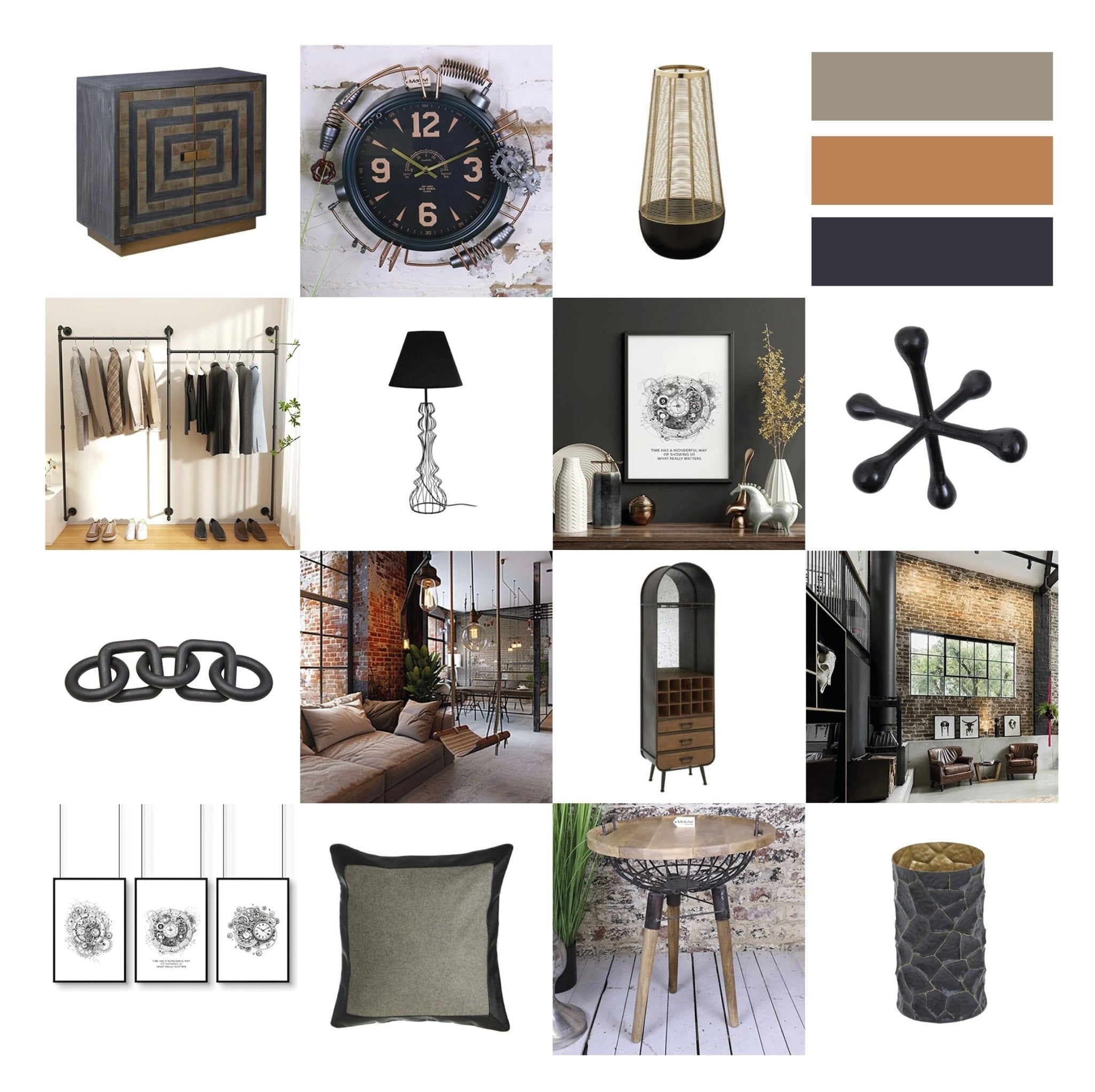
Industrial design embraces the raw, unfinished aesthetic of converted warehouses and factories. It celebrates exposed structural elements, metal, and concrete, creating urban, masculine spaces with edgy character.
Greys, blacks, browns, rust, raw metal tones, weathered wood, minimal color.
Urban lofts, bachelor pads, those who appreciate raw aesthetics, minimalists with edge, anyone seeking masculine, urban character.
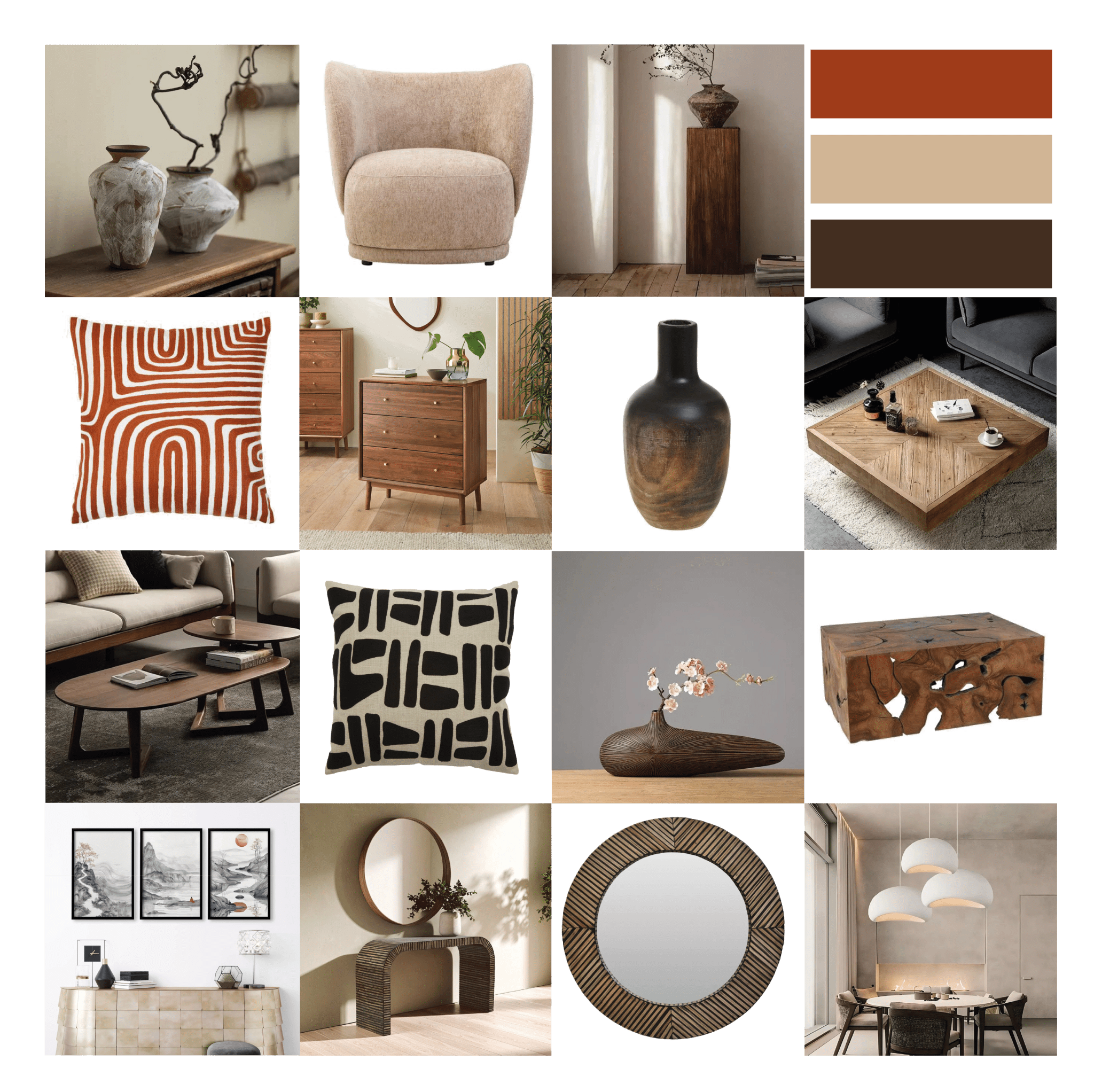
Japandi beautifully merges Japanese minimalism with Scandinavian coziness. It combines Japanese wabi-sabi (embracing imperfection) with Scandinavian hygge (cozy comfort), creating serene, functional spaces that feel both minimalist and warm.
Whites, beiges, warm greys, black accents, natural wood tones, soft greens.
Minimalists seeking warmth, those who value craftsmanship, anyone wanting serene, clutter-free spaces with soul, meditation practitioners.
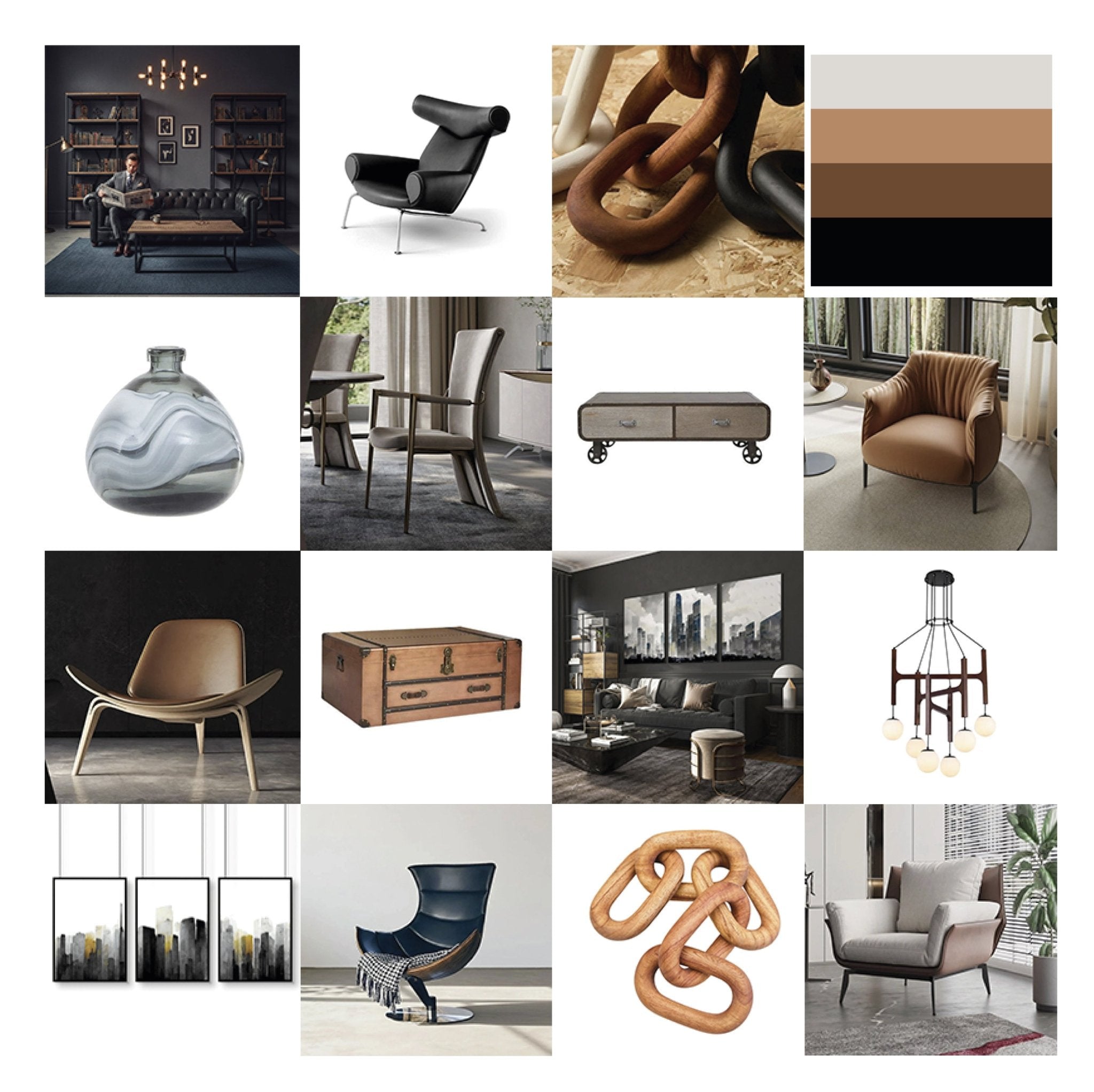
Masculine design features dark colors, rich materials, and sophisticated simplicity. It's refined without being fussy, creating spaces that feel strong, confident, and distinctly masculine without relying on stereotypical bachelor pad clichés.
Charcoal, black, deep navy, forest green, cognac brown, gunmetal grey.
Bachelor pads, home offices, man caves, cigar rooms, anyone seeking sophisticated, unfussy elegance with masculine edge.
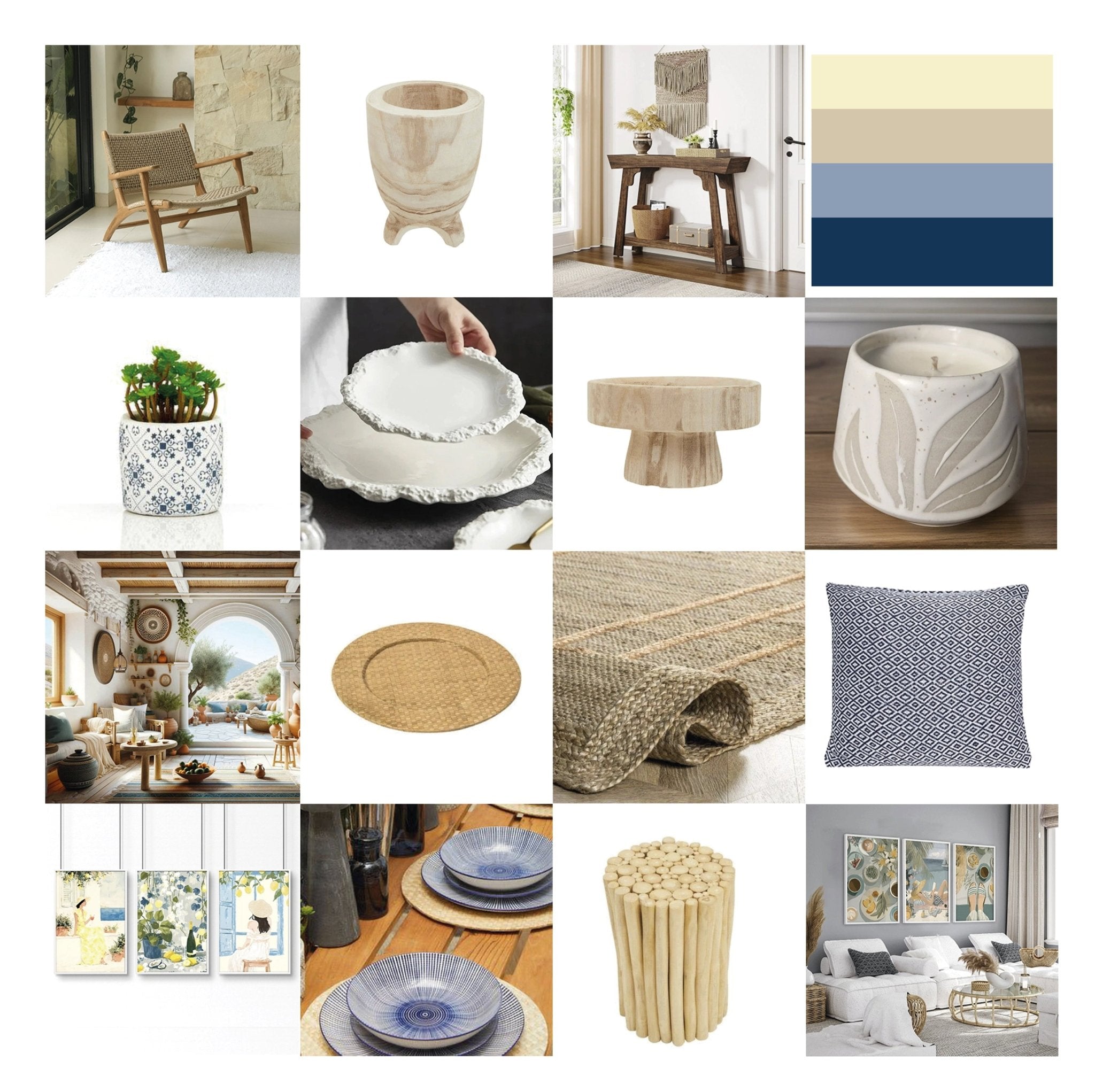
Mediterranean design captures the sun-drenched beauty of coastal Greece, Italy, and Spain. It features warm earth tones, terracotta tiles, wrought iron details, and a relaxed elegance that evokes endless summers and seaside villas.
Terracotta, warm whites, azure blue, sunny yellow, olive green, burnt sienna.
Warm climates, vacation homes, those who love European charm, anyone seeking relaxed, sun-drenched elegance.
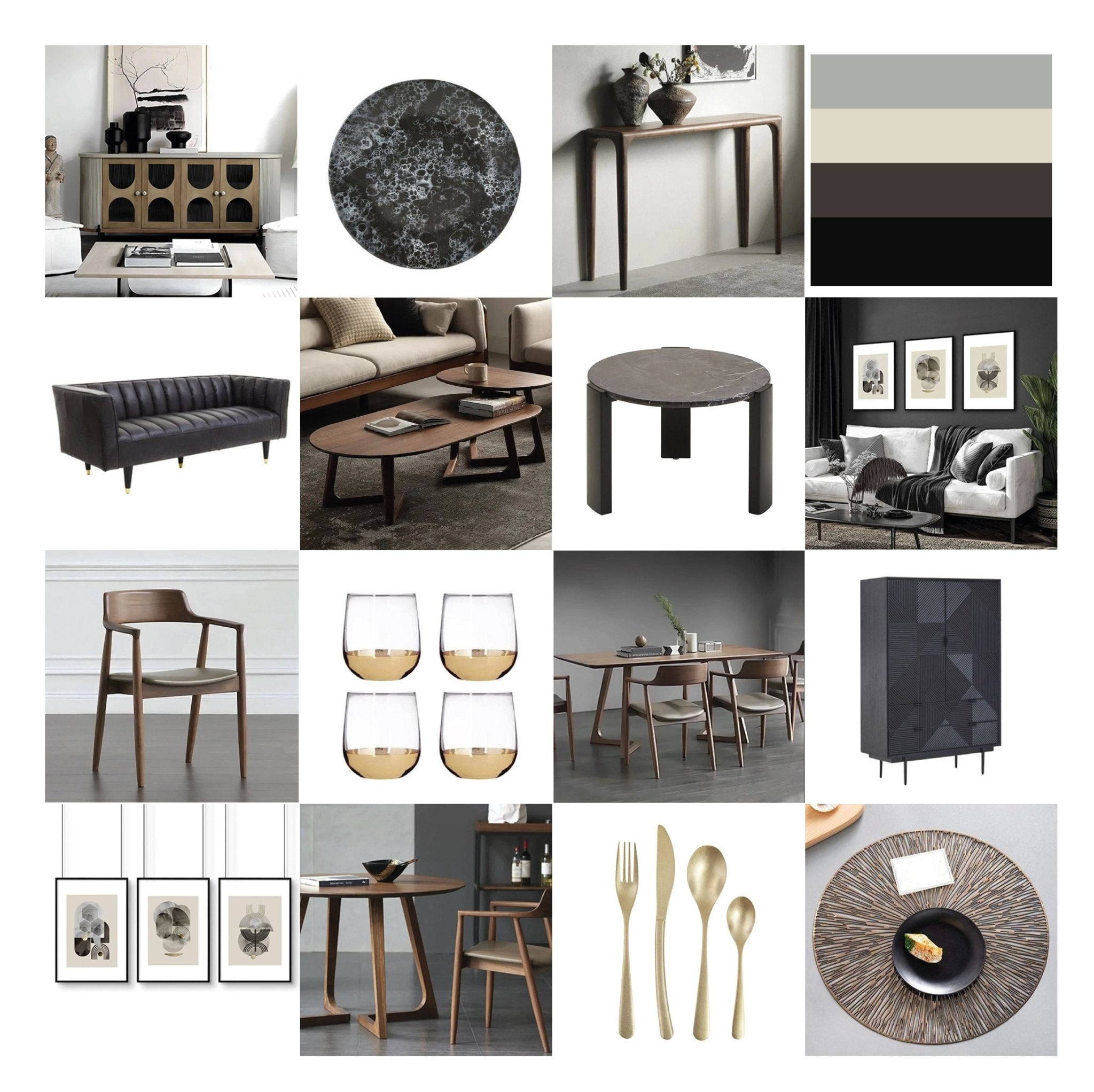
Mid-Century Modern originated in the 1950s-60s and remains wildly popular today. It features iconic furniture designs, organic shapes, bold colors, and the perfect balance of form and function. Think Eames chairs, sunburst clocks, and tapered legs.
Warm woods, mustard yellow, orange, teal, avocado green, white, black.
Design enthusiasts, those who appreciate iconic furniture, anyone seeking timeless style with retro flair, collectors of vintage pieces.

Minimalism follows "less is more," featuring only essential furniture, monochromatic palettes, and abundant negative space. Cosy Minimalism adds warmth through textures and natural materials while maintaining the uncluttered aesthetic, making minimalism feel inviting rather than stark.
Whites, beiges, warm greys, natural wood tones, black accents.
Those seeking calm and clarity, small spaces, anyone wanting to reduce visual clutter, people transitioning to simpler living.
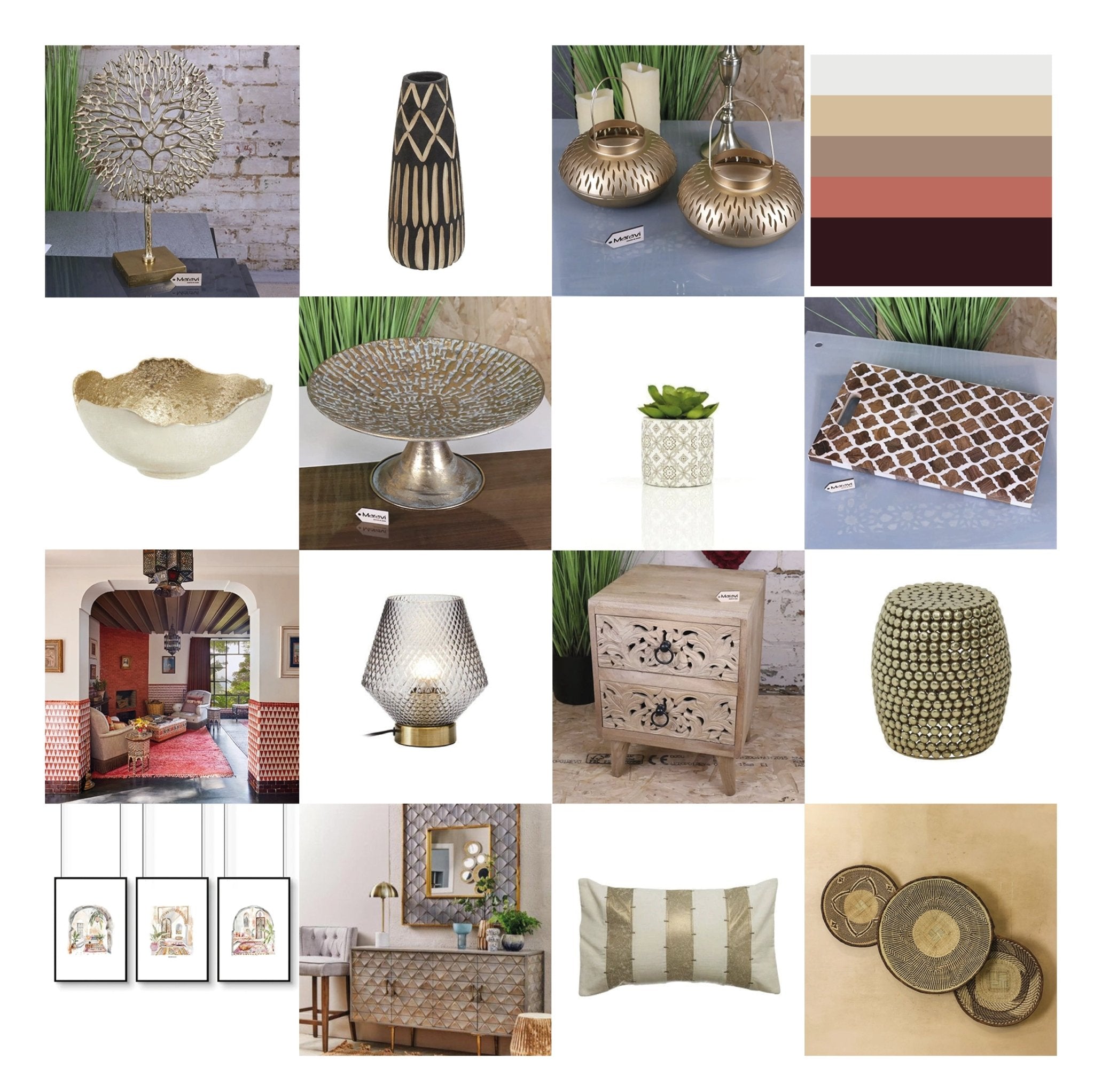
Moroccan design celebrates the exotic beauty of North Africa with intricate patterns, rich colors, ornate details, and sensory richness. It's romantic, layered, and transporting — creating spaces that feel like a Marrakech riad.
Rich jewel tones (sapphire, ruby, emerald), terracotta, gold, burnt orange, deep purple.
Those who love exotic, sensory-rich spaces, travelers, anyone seeking romantic, layered interiors with global flair.
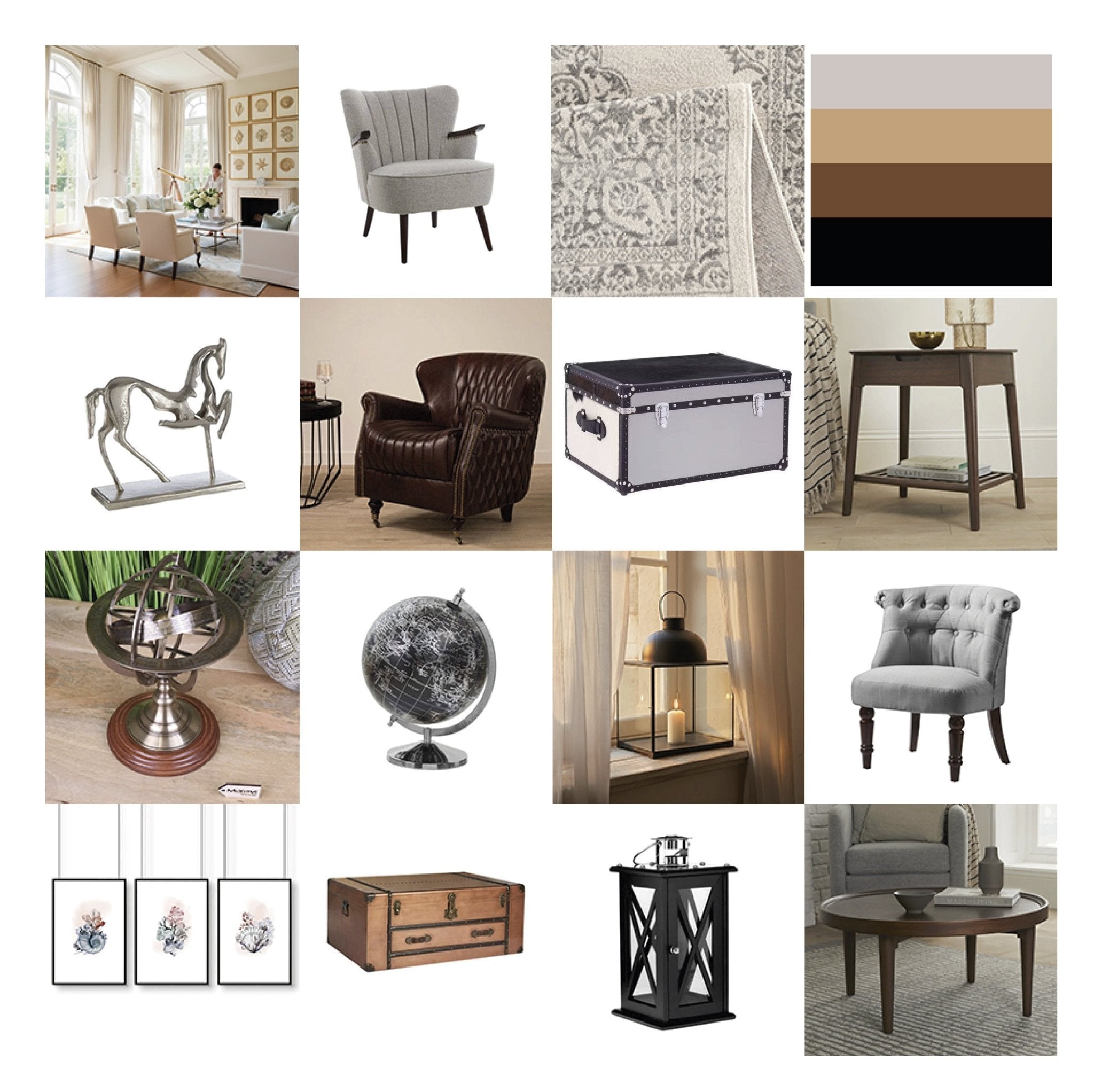
Old Money aesthetic embodies quiet luxury, timeless elegance, and understated wealth. It's about investment pieces, family heirlooms, and refined taste passed down through generations. Quality, tradition, and restraint define this sophisticated style.
Navy, hunter green, burgundy, camel, cream, rich wood tones, gold accents.
Those who value timeless elegance over trends, lovers of traditional craftsmanship, anyone seeking quiet, understated luxury.
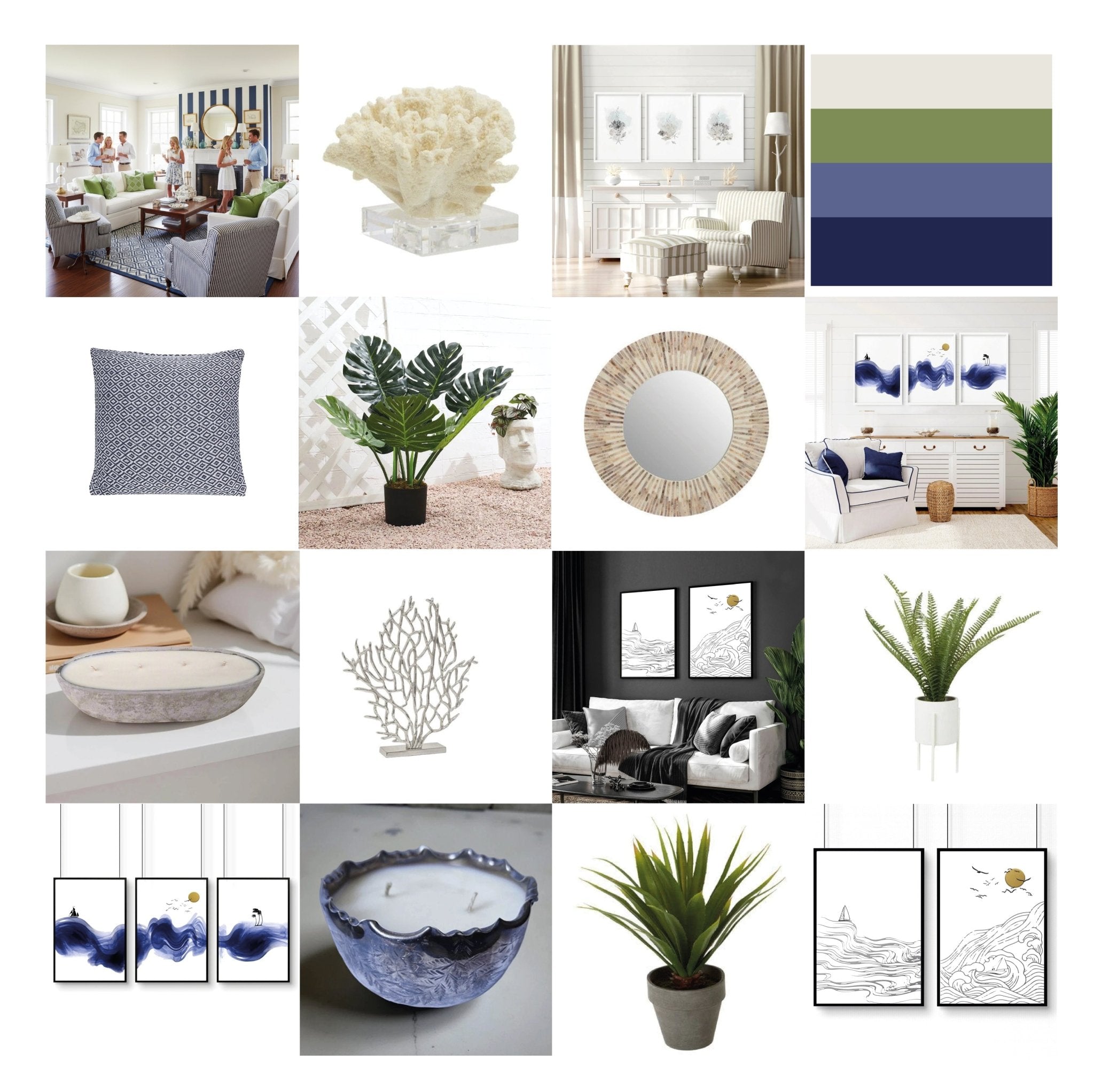
Preppy design channels East Coast collegiate style with classic patterns, bright colors, and polished traditionalism. Think country clubs, sailing, and Ivy League elegance — crisp, classic, and cheerfully sophisticated.
Navy, kelly green, hot pink, yellow, white, red, crisp patterns.
Those who love classic American style, coastal homes, anyone seeking cheerful, polished traditionalism with youthful energy.
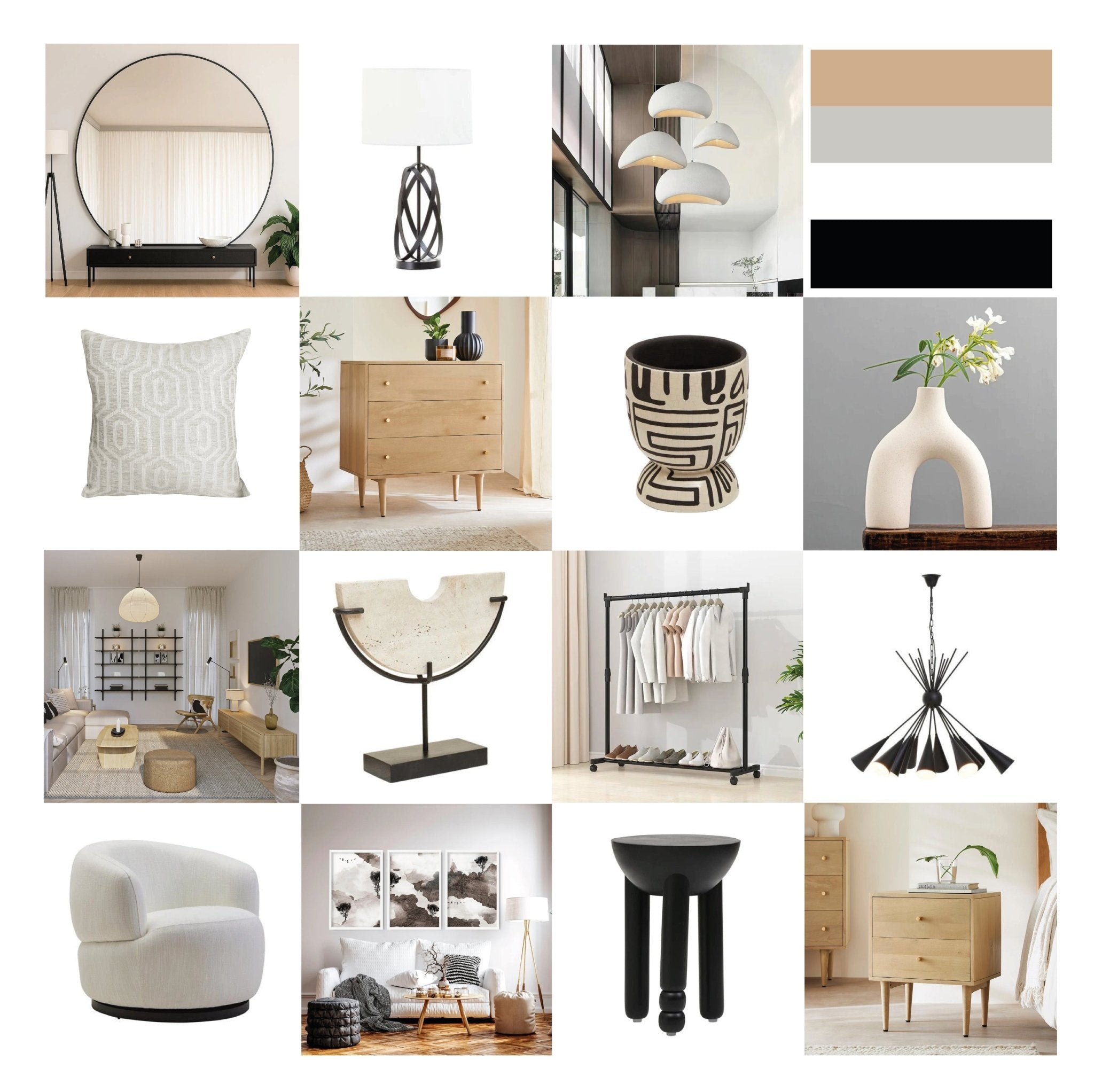
Scandinavian design originated in Nordic countries and emphasizes functionality, simplicity, and connection to nature. It creates bright, airy spaces that combat long, dark winters through white walls, natural light, and cozy hygge moments.
White, light grey, pale wood tones, soft blues, dusty pinks, sage green, black accents.
Those seeking simplicity and functionality, small spaces, anyone wanting bright, airy, cozy minimalism, lovers of hygge lifestyle.
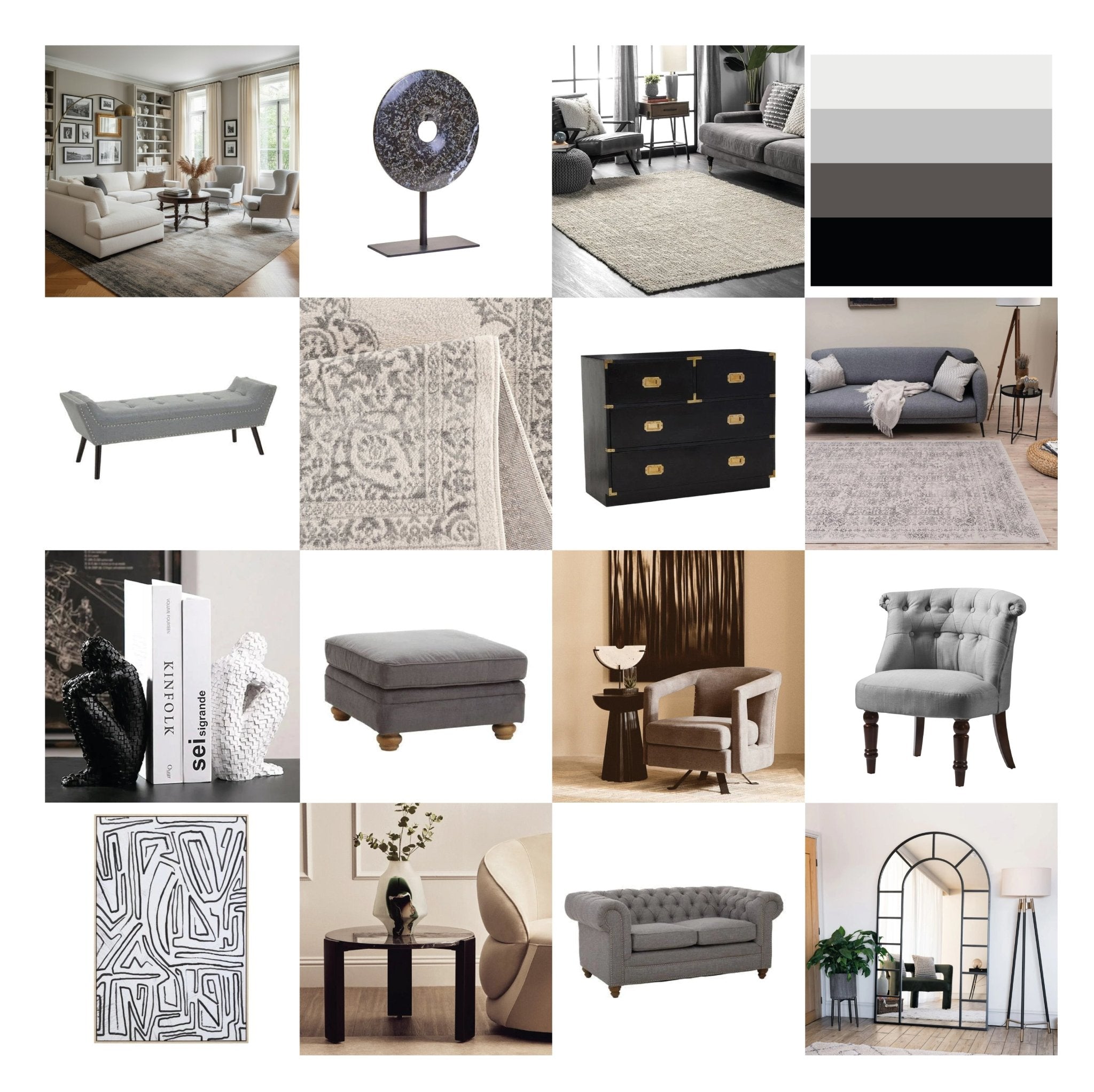
Transitional design bridges traditional and contemporary styles, creating timeless spaces that feel current yet classic. It's the perfect middle ground for those who can't choose between traditional warmth and modern simplicity.
Neutrals (beige, grey, cream, white), soft blues, warm browns, with subtle pops of color.
Those who appreciate both traditional and modern, anyone seeking timeless versatility, families wanting sophisticated comfort.
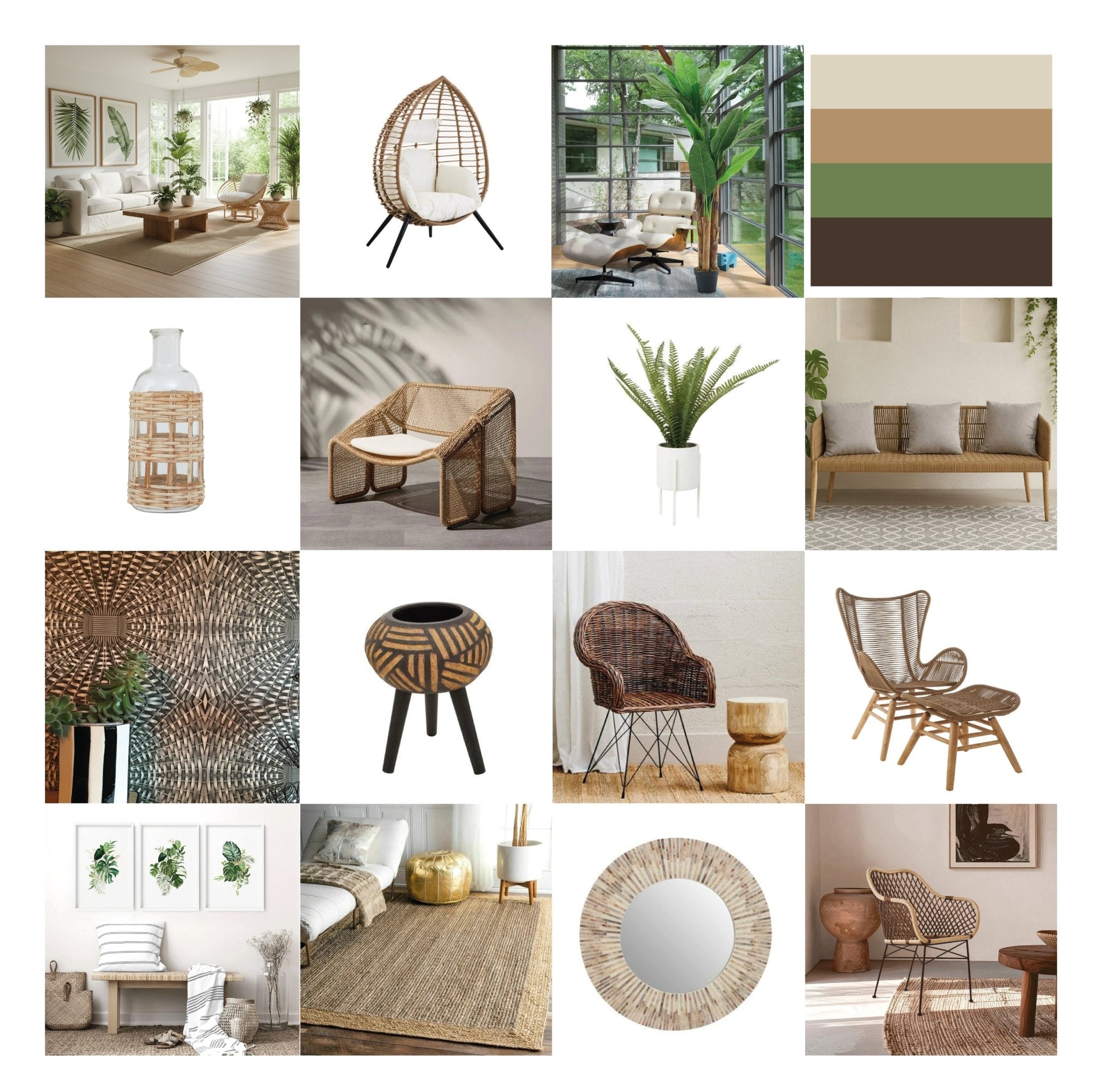
Tropical design brings the lush, vibrant energy of island paradises indoors. It celebrates bold botanical prints, bright colors, natural materials, and abundant greenery to create spaces that feel like permanent vacation.
Bright greens, turquoise, coral, sunny yellow, hot pink, white backgrounds.
Warm climates, vacation homes, beach houses, anyone who loves bold botanicals and vacation vibes year-round.
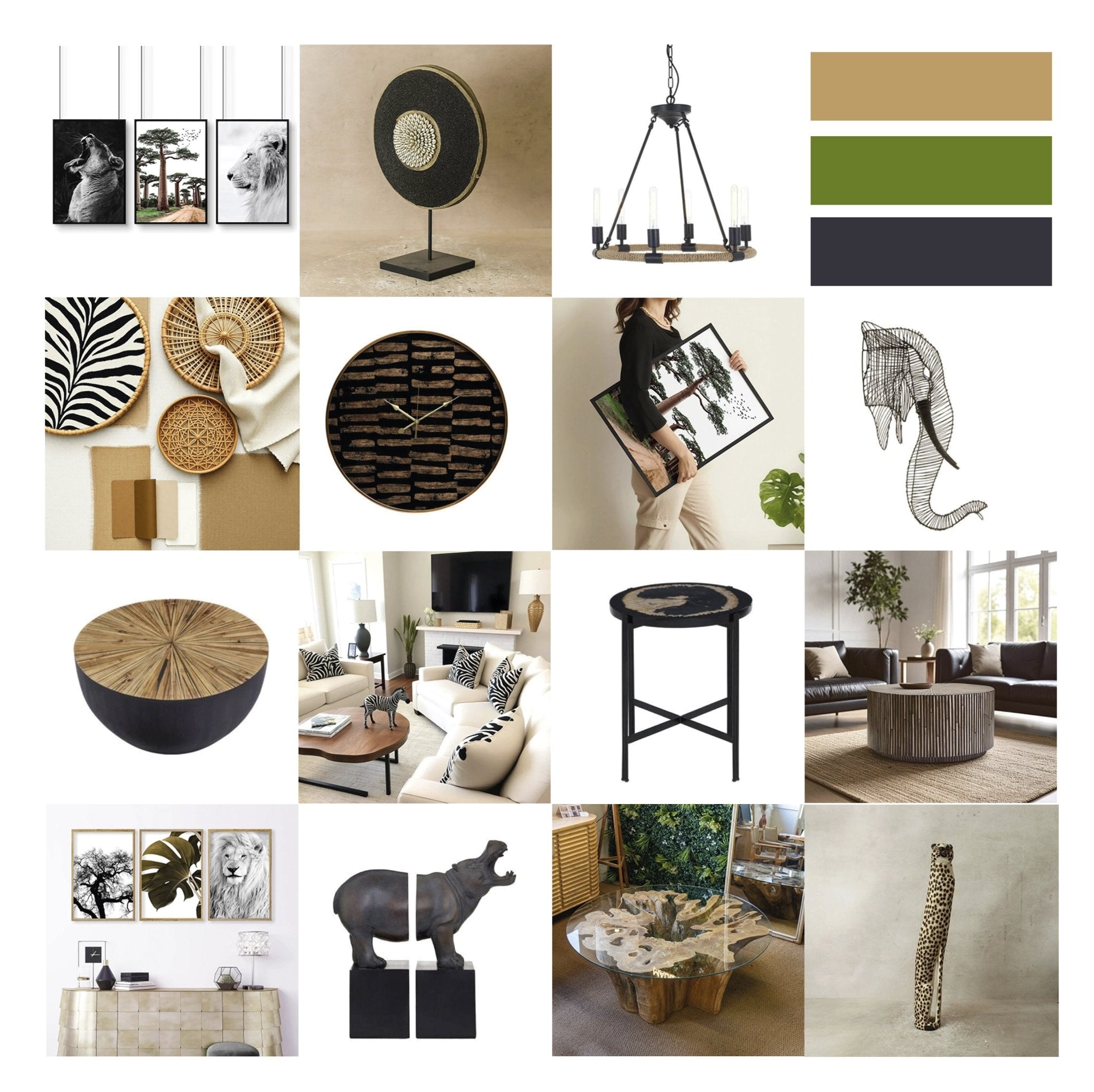
Wildlife design celebrates the beauty of the natural world through animal motifs, earthy palettes, and organic materials. It ranges from subtle nature-inspired accents to bold safari themes, always connecting spaces to the wilderness.
Earth tones (tan, brown, sage), animal print colors (leopard, zebra), deep greens, warm neutrals.
Nature lovers, hunters, wildlife enthusiasts, rustic homes, anyone seeking organic, earthy connection to the natural world.
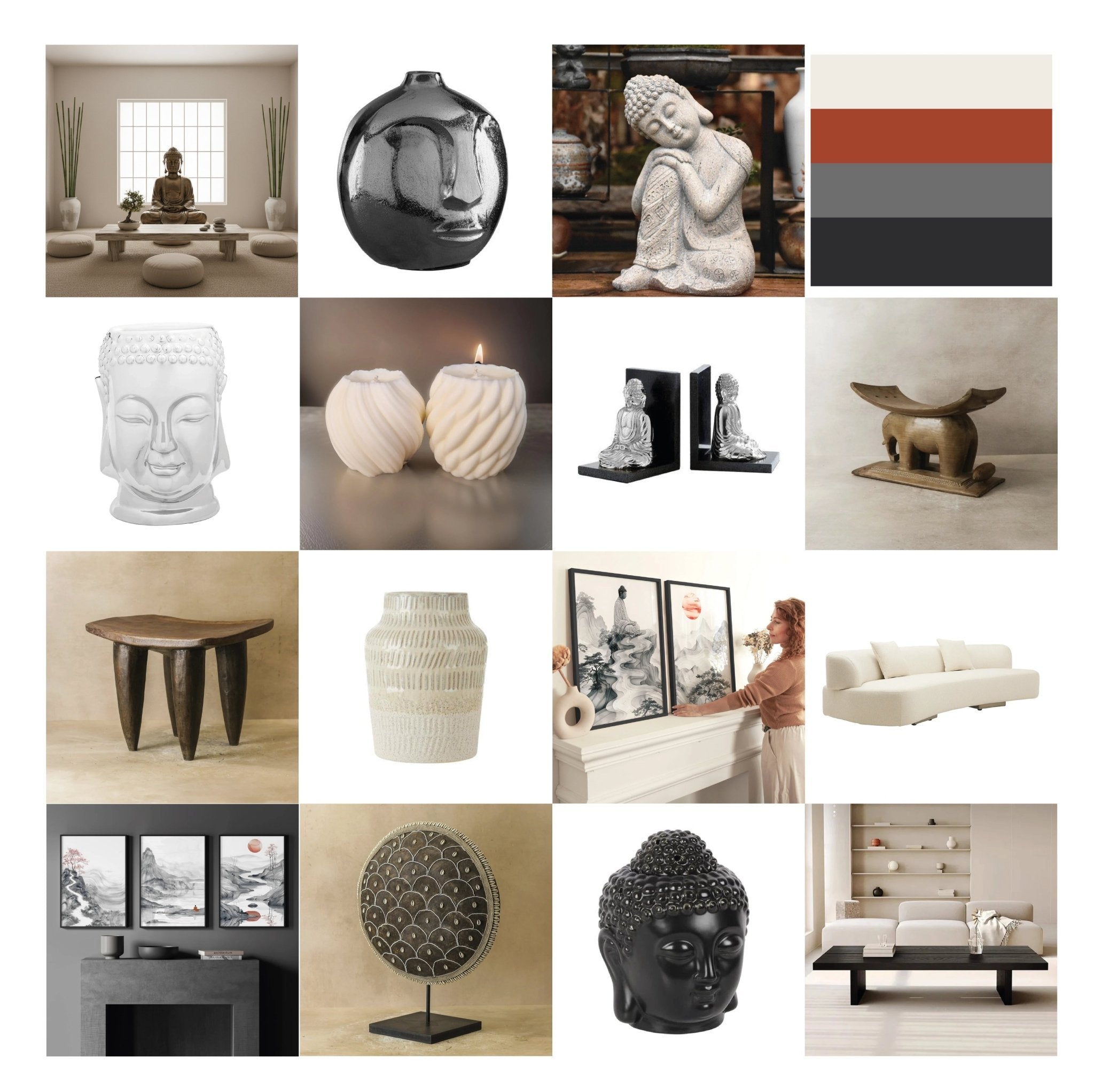
Zen design creates peaceful sanctuaries inspired by Buddhist temples and Japanese meditation spaces. It emphasizes simplicity, natural elements, and thoughtful minimalism to foster calm, mindfulness, and spiritual connection.
Whites, beiges, soft greys, natural wood tones, sage green, muted earth tones.
Meditation practitioners, those seeking peace and mindfulness, anyone wanting serene, spiritual spaces, stress reduction.
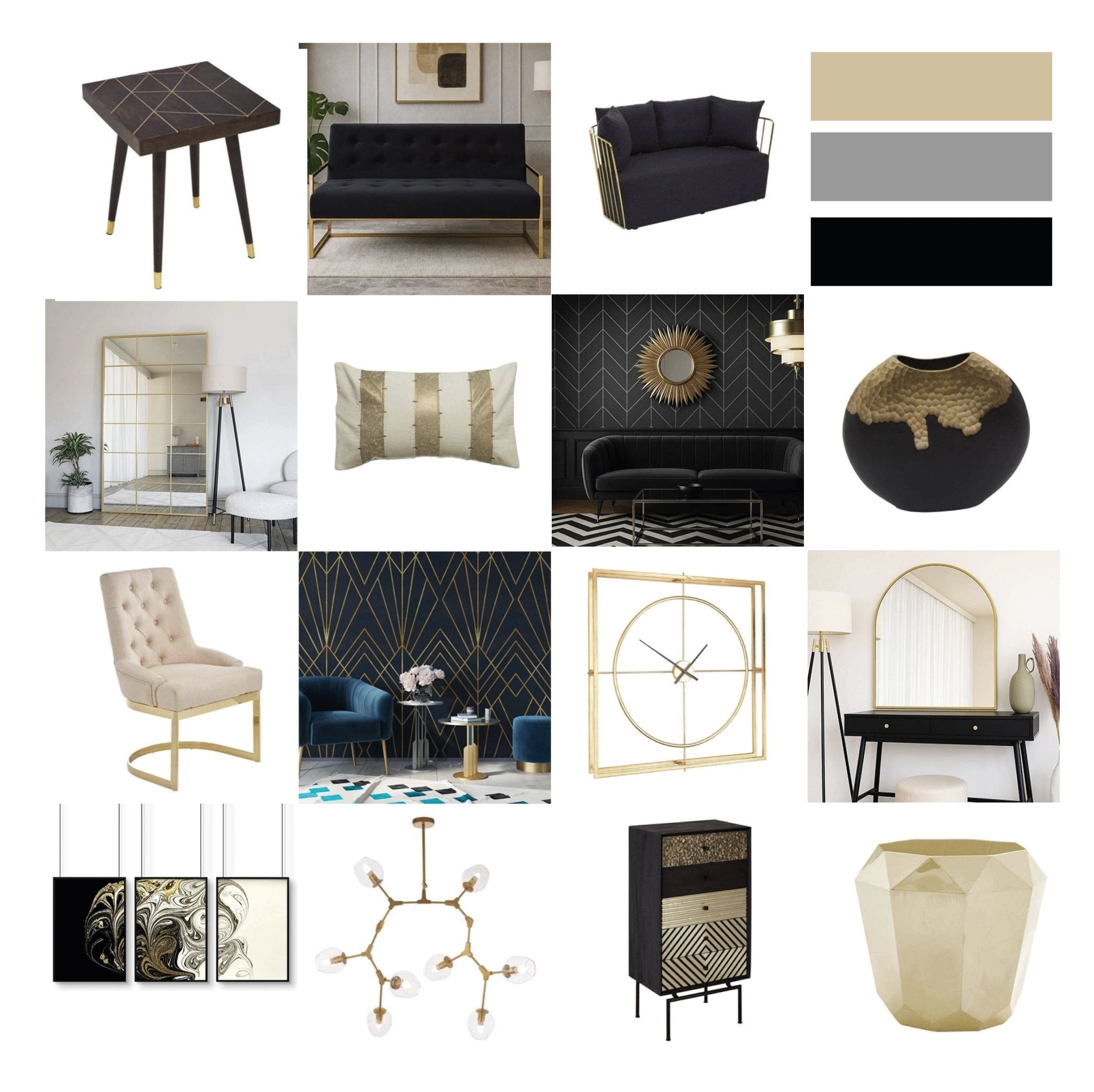
Modern Glam combines contemporary clean lines with glamorous, luxurious details. It's sophisticated and opulent without being over-the-top, featuring metallic accents, rich textures, and statement pieces that exude refined elegance.
Black, white, grey, metallics (gold, brass, silver), jewel tone accents (emerald, sapphire).
Those who love luxury and glamour, urban apartments, anyone seeking sophisticated elegance with contemporary edge.
Feeling overwhelmed by all these options? Here's how to discover your authentic design style:
Our free Interior Style Quiz asks targeted questions about your preferences, lifestyle, and personality to identify which styles resonate with you most. It takes just 60 seconds and provides personalized recommendations.
Collect images that make you say "yes!" without overthinking. Use Pinterest, magazines, or Instagram. After gathering 20-30 images, look for patterns in colors, materials, and moods. Your style will emerge naturally.
Your clothing style often mirrors your interior design preferences. If you wear minimalist, neutral clothing, you'll likely gravitate toward Scandinavian or Modern styles. Bohemian dressers often love Boho interiors. Bold fashion choices might indicate Eclectic or Maximalist leanings.
You don't have to commit to a single style. Most successful interiors thoughtfully blend elements from multiple styles. Here's how to mix styles without creating visual chaos:
Choose one dominant style (80%) and use a secondary style for accents (20%). For example: 80% Scandinavian with 20% Bohemian accents creates warm minimalism. 80% Traditional with 20% Modern creates Transitional style.
Even when blending styles, maintain consistency in color palette, wood tones, and metal finishes. These unifying elements tie disparate styles together cohesively.
When mixing styles, let one style dominate the architecture and bones of the room (walls, flooring, major furniture), then layer in the secondary style through accessories, art, and textiles. This creates intentional eclecticism rather than confused chaos.
Take our free 60-second quiz to identify your design personality and get personalized style recommendations.
Take Style Quiz Match Your ColorsKnowing interior design styles is more than memorizing names and characteristics — it's about developing a visual vocabulary that helps you communicate what you want. When you can identify that you love "Scandinavian design" rather than just "bright, simple rooms," you can search more effectively, communicate clearly with designers, and make consistent purchasing decisions.
Understanding styles also prevents costly mistakes. Without a style framework, you might buy a Victorian sofa, industrial lighting, and Scandinavian coffee table — none of which work together. With style knowledge, you create cohesive spaces where every element supports a unified vision. This doesn't mean rigidly following rules, but rather understanding the principles so you can break them intentionally.
Choosing a design style should start with honest self-assessment. Consider your lifestyle first: Do you have kids who need durable furniture? Pets who require stain-resistant fabrics? Do you cook often (practical kitchen)? Entertain frequently (adequate seating)? Work from home (dedicated office space)? Your style should serve your life, not the other way around.
Consider your home's architecture too. A Victorian house might resist ultra-modern minimalism, while a contemporary loft naturally suits industrial or modern styles. You can work against architectural style, but it requires more skill and intention. Consider your commitment level as well — trendy styles date quickly, while classic styles remain relevant for decades. If you change your mind frequently, choose adaptable styles like Transitional or Contemporary.
Finally, trust your gut. If a style makes you happy when you see it, that's more important than following trends. The best interior design style is the one that makes you feel most at home.
Most beautifully designed homes don't adhere strictly to one style — they thoughtfully blend elements from several. The key word is "thoughtfully." Successful style mixing requires understanding which elements from each style to incorporate and how to create cohesion among disparate pieces.
The safest approach is the 80/20 rule: choose one dominant style for 80% of major elements (furniture, architecture, color palette), then layer in 20% from a complementary style through accessories, art, and textiles. This creates interesting variety without visual confusion. Some style pairings work particularly well together: Scandinavian and Bohemian create warm minimalism, Traditional and Modern blend into Transitional, Industrial and Farmhouse create urban rustic charm.
When mixing styles, maintain consistency in certain elements to create unity. Keep wood tones related (all warm or all cool), metal finishes consistent (all brass or all black), and color palettes cohesive. These unifying threads tie disparate styles together. The goal isn't to follow rules rigidly but to create intentional, thoughtful spaces that reflect your unique personality while maintaining visual harmony.
The most popular interior design styles currently are Modern/Contemporary, Scandinavian, Farmhouse (especially Modern Farmhouse), Minimalism, Coastal, and Transitional. These styles dominate because they're versatile, timeless, and work well in various home types. Scandinavian and Minimalist styles appeal to those seeking simplicity and calm, Farmhouse offers cozy approachability, and Transitional bridges traditional and contemporary for broad appeal.
Take our free Interior Style Quiz for personalized results in 60 seconds. Alternatively, create a Pinterest board of rooms you love and look for patterns in colors, materials, and furniture styles. Your clothing style often mirrors your interior preferences — minimalist dressers typically gravitate toward Scandinavian or Modern styles, while bohemian fashion lovers often prefer Boho interiors. Consider your lifestyle too: families with kids might prefer durable Farmhouse or Coastal styles, while minimalists naturally lean toward Scandinavian or Japanese-inspired designs.
"Modern" refers specifically to a design movement from the mid-20th century (1950s-1970s), characterized by clean lines, minimal ornamentation, and neutral palettes. "Contemporary" means "of the moment" and constantly evolves with current trends. Today's contemporary design often incorporates curved furniture, mixed materials, and softer edges than strict modern design. Mid-Century Modern is a specific subset of modern design featuring iconic furniture pieces and organic shapes. Contemporary design is current and changing; modern design is a fixed historical style.
Yes! Most successful interiors thoughtfully blend elements from multiple styles. Follow the 80/20 rule: choose one dominant style (80%) and layer in a secondary style (20%) through accessories and accents. Some pairings work particularly well: Scandinavian + Bohemian creates warm minimalism, Traditional + Modern creates Transitional, Industrial + Farmhouse creates urban rustic charm. When mixing, maintain consistency in wood tones, metal finishes, and color palettes to create cohesion. The key is intentional blending rather than random mixing.
Minimalism and Scandinavian styles are often easiest because they require fewer items and focus on simplicity. With limited furniture and accessories, there are fewer opportunities for mistakes. Coastal and Farmhouse styles are also approachable because they're forgiving — the relaxed, lived-in aesthetic means imperfection is acceptable and even desirable. Conversely, Traditional and Maximalist styles require more skill because they involve layering, proportion, and selecting many complementary pieces.
Both emphasize simplicity, but Scandinavian design is warmer. Minimalism is about reducing to essentials with monochromatic palettes and stark simplicity — it can feel cold if not done carefully. Scandinavian design incorporates hygge (cozy comfort) through textiles, natural materials, plants, and warm lighting while maintaining clean lines and minimal clutter. Think of Scandinavian as "warm minimalism" — it has the uncluttered aesthetic of minimalism but adds layers of coziness through textures, woods, and soft elements.
Start with lifestyle: Do you have kids, pets, or entertain often? Choose durable, practical styles like Farmhouse or Coastal. Consider your home's architecture — Victorian houses resist ultra-modern styles, while contemporary lofts suit Industrial or Modern. Think about commitment — classic styles (Traditional, Transitional) remain relevant longer than trendy ones. Take our Interior Style Quiz for personalized recommendations. Create mood boards to identify patterns in what you love. Most importantly, choose what makes YOU happy rather than following trends.
Traditional, Transitional, and Mid-Century Modern are the most timeless styles. Traditional has remained elegant for centuries, Transitional bridges classic and contemporary for lasting versatility, and Mid-Century Modern has been popular since the 1950s and shows no signs of fading. Scandinavian and Minimalist styles are also quite timeless due to their simplicity. Avoid extremely trendy styles (currently: Maximalism's most extreme versions, ultra-specific trends like "Grandmillennial") if you want longevity. Neutral color palettes, quality materials, and classic furniture silhouettes age better than bold colors and trendy shapes.
Save this 24-style guide as PDF to reference anytime
Download Free PDF Guide