My Guide to the Top Interior Decorating Trends 2026
by Mae Osz on Jan 03, 2026
The interior decorating trends 2026 centre on warmth, texture, and authenticity — moving away from stark minimalism towards character-filled spaces built from natural materials, curved furniture, and layered textiles that feel genuinely personal.
By Mae Osz | Interior Design Consultant & Home Decor Expert with 12+ years of experience.
Key Takeaways:
- The dominant shift in 2026 is away from cold minimalism and towards warm, character-filled spaces that feel personal and lived-in rather than showroom-perfect.
- Classic architectural details — picture-frame wall panelling, crown mouldings, and arched doorways — are making a strong comeback and can be introduced without a full renovation.
- Textural layering using boucle, linen, velvet, rattan, and natural wool creates a multi-sensory richness that makes a room feel both beautiful and genuinely comfortable.
- Sustainable, authentic materials such as travertine, walnut, and reclaimed wood are replacing fast furniture, reflecting a shift towards curating a home over time.
- Open-plan living is giving way to defined, intimate zones — cosy nooks and broken-plan layouts that give each area of the home a distinct purpose and emotional identity.
- Biophilic design is evolving beyond houseplants to encompass natural materials, landscape art, and light-maximising layouts that support everyday wellbeing.
Are you wondering how the latest interior decorating trends 2026 will shape our homes and reflect our desire for comfort and personality?
I've noticed a real shift away from the cool, stark minimalism that has been popular for so long. Instead, the focus is now on creating spaces that feel warm, deeply personal, and thoughtfully put together.
It's less about perfection and more about creating a home that tells your story. This year is all about embracing character. We'll see a return of classic architectural details, a love for rich, layered textures, and a strong focus on sustainable, authentic materials.
Think of me as your friendly guide, here to help you create a home that is not just beautiful but also a true sanctuary for you and your loved ones.

List of Contents
- The Revival of Classic Details and Softer Shapes
- A Symphony of Textures and Patterns for a Richer Feel
- Embracing Sustainable Choices and Authentic Materials
- The Shift Towards Cosy, Defined Living Spaces
- Smart Lighting and Bringing Nature Indoors
- More About…
- Pro Tips…
The Revival of Classic Details and Softer Shapes
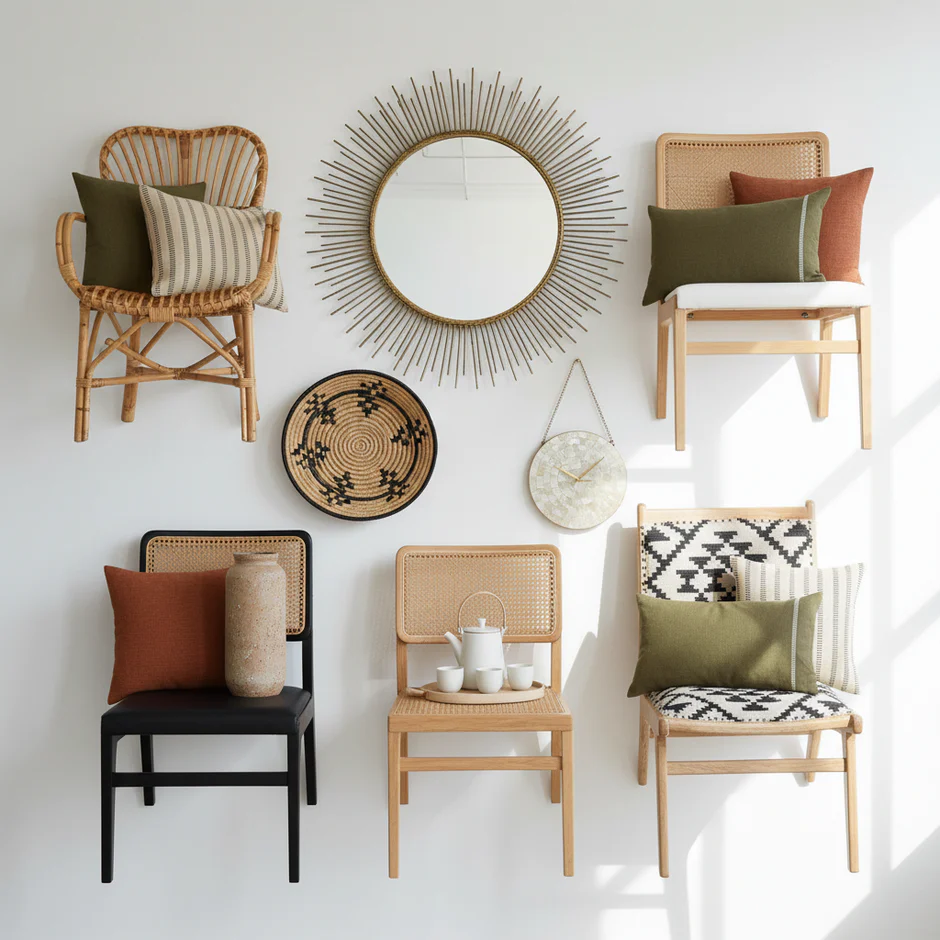
One of the most exciting shifts I'm seeing is a return to character-filled, modern traditional decor.
Forget plain, flat walls; traditional details like picture-frame wall panelling and layered crown mouldings are making a huge comeback. These elements add a sense of history and architectural depth to a room, creating a beautiful canvas for your decor.
At the same time, we are seeing a move towards softer, more organic shapes in furniture and architecture. Think of inviting curved sofas, elegant arched doorways, and round dining tables that encourage conversation.
These gentle curves break up the straight lines of a room, making it feel instantly more welcoming and relaxed. What makes this trend so accessible is that a single curved armchair or a circular mirror can do the job without touching a single wall.

You don't need a full renovation to embrace this. My advice? Try introducing a curved armchair or a circular mirror to instantly soften the hard lines of a boxy room. This blend of old and new is central to the interior decorating trends 2026.
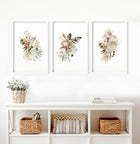
A modern gallery wall looks absolutely stunning set within traditional panelling, and a large abstract canvas with flowing shapes can beautifully echo the curves in your furniture. To achieve this look, you could look through our contemporary wall art collection to find pieces that create that perfect, eye-catching contrast.


A Symphony of Textures and Patterns for a Richer Feel
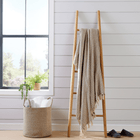
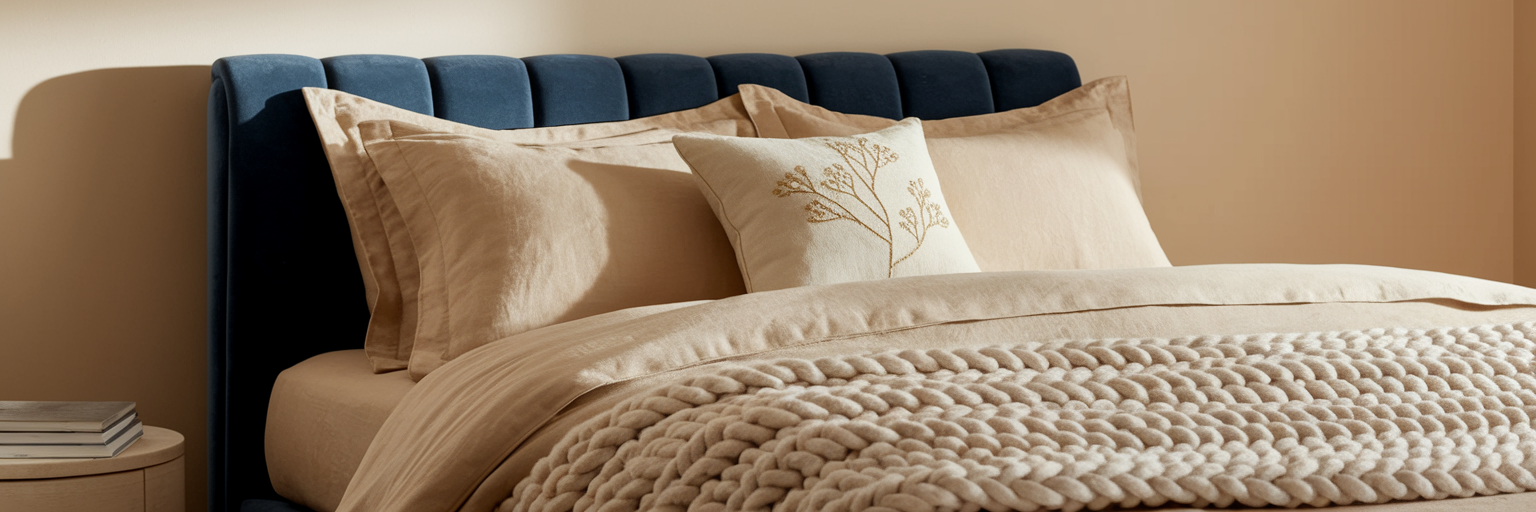
Moving on from just how a room looks, the latest interior styles are all about how a room feels. Creating a multi-sensory experience through textural layering is key. Imagine running your hand over a soft boucle sofa, feeling the natural weave of a jute rug underfoot, or cosying up with a chunky-knit wool throw.

It's about creating a space that feels rich, interesting, and incredibly comfortable. This year, we are also seeing a new approach to patterns. Instead of small, repetitive prints, the trend is leaning towards large-scale, artistic murals or fabrics with beautiful, narrative designs that tell a story. Here are a few combinations I love:
- Plush velvet with breathable linen

- Smooth rattan

- Soft boucle fabric with sleek metal accents
Here's an actionable strategy for you: Start with a neutral base, like a beige linen sofa. Then, layer in different textures through a jute rug and velvet cushions. Finally, choose a single, impactful patterned element, like a botanical mural, to act as the room's artistic centrepiece.
This approach creates depth without overwhelming the space. The key is restraint — each texture should earn its place by adding something the others don't, whether that's softness, structure, or warmth.

Creating Moods with Texture and Pattern
| Desired Mood | Texture Combination | Pattern Suggestion |
|---|---|---|
| Cosy & Inviting | Wool, Velvet, Dark Wood | Subtle plaid or check |
| Calm & Serene | Linen, Rattan, Light Oak | Large-scale botanical mural |
| Sophisticated & Chic | Silk, Marble, Brass | Geometric or abstract print |
This table offers a quick guide to combining materials and patterns to create a specific atmosphere in your room. These are just starting points to inspire your own unique combinations.

Embracing Sustainable Choices and Authentic Materials
There's a wonderful, mindful shift happening in home decor. It's about choosing pieces with character and a story, which ties directly into the idea of sustainable home design.
We're moving away from 'fast furniture' and towards curating a personal aesthetic over time. This means investing in quality pieces that will last.
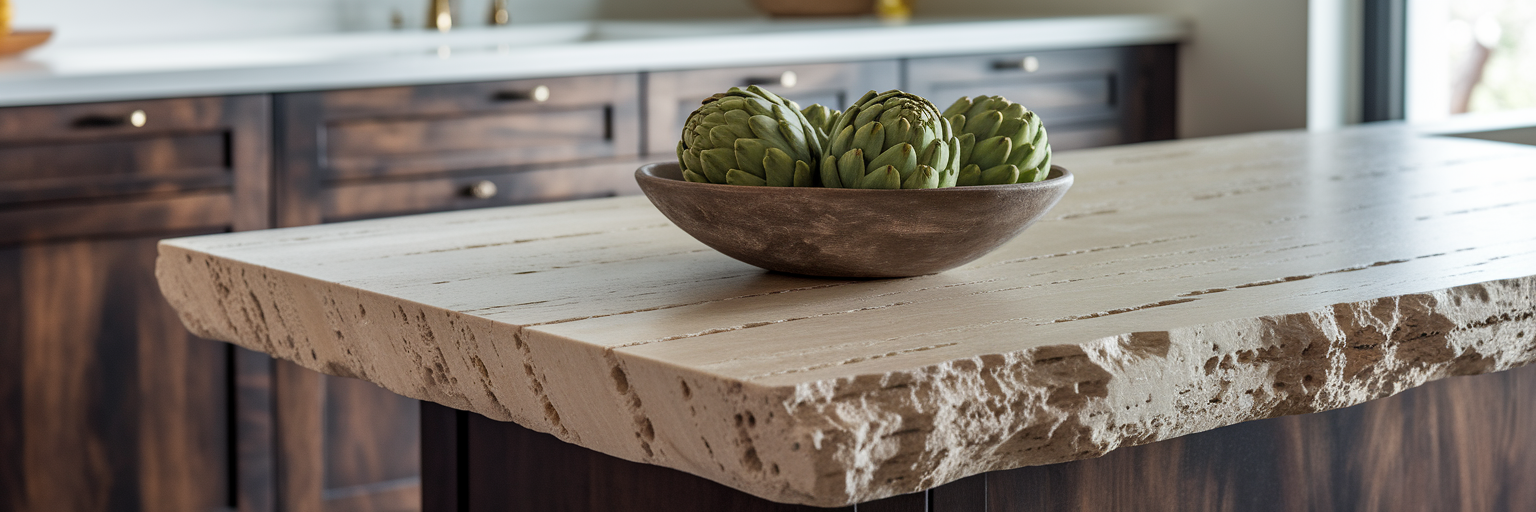
Natural materials are at the heart of this trend. Think of the beautiful, earthy texture of travertine for a coffee table or the rich, deep tones of stained woods like walnut for cabinetry and furniture.
These materials bring an incredible warmth and a sense of permanence to a space — something that a flat-pack alternative simply cannot replicate, no matter how well it's styled.


I love the idea of adopting a 'circular mindset'. This could mean sourcing a unique vintage sideboard, reupholstering a beloved old armchair, or simply choosing quality over quantity.
It's about creating a home that feels collected, not decorated overnight. Timeless art is a perfect complement to this ethos of longevity.
For instance, pieces from a collection of minimalist art prints have an enduring quality that will look just as beautiful in ten years as they do today, supporting the thoughtful approach of the interior decorating trends 2026.

The Shift Towards Cosy, Defined Living Spaces
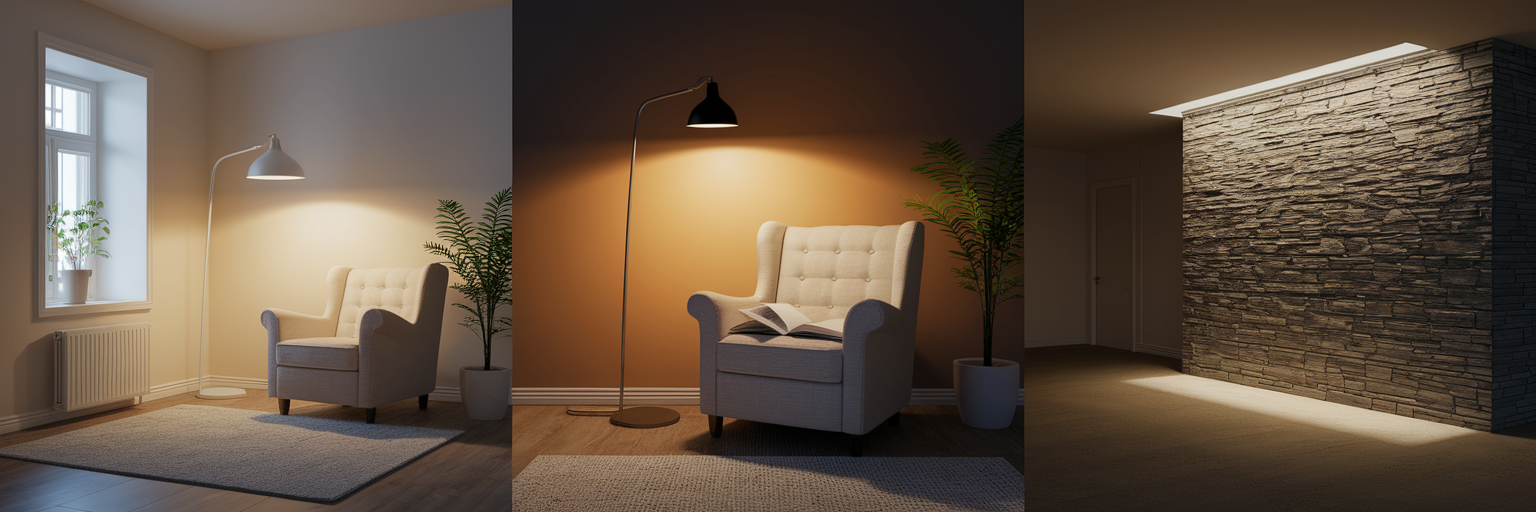
For years, open-plan living was the ultimate goal. While we still love light and flow, there's a definite move towards creating more defined, intimate zones within our homes. It's about crafting cosy nooks and distinct areas that serve different purposes, giving us a sense of sanctuary and retreat.
This doesn't mean putting up walls everywhere. Instead, you can use clever design techniques like creating a reading nook with a comfy chair and a floor lamp, using built-in shelving to frame a dining area, or even placing partial 'broken-plan' walls to delineate spaces without losing that open feel.
The emotional benefit is huge; these defined zones help us mentally switch off and relax. There's something deeply satisfying about a room that has a clear sense of purpose — a corner that is unmistakably for reading, a window seat that is entirely for thinking.

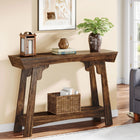
You can create zones without building walls. Use a large rug to anchor your living area, or place a slim console table against the back of your sofa to create a visual break between the living and dining spaces.


This is a simple yet effective way to bring a sense of order and cosiness to a large room. For more inspiration on how to style your main social space, you can look through our ideas for living room decor.
Smart Lighting and Bringing Nature Indoors
Good lighting has always been important, but now it's getting smarter and more layered. The best-designed rooms use three key layers: ambient lighting for overall illumination (like ceiling lights), task lighting for specific activities (like a reading lamp), and accent lighting to highlight features (like a picture light over a favourite piece of art).
This layered approach creates mood and functionality. Alongside this, the concept of biophilic design UK is becoming a cornerstone of the interior decorating trends 2026. And it's about so much more than just adding a few houseplants!
It's about forging a deeper connection to nature through the materials we use, the light we let in, and the patterns we choose. You could create a small indoor herb garden on your kitchen windowsill or hang a large piece of wall art depicting a serene forest scene. The goal is to create environments that boost our well-being.
Positioning seating near your brightest window, choosing warm-toned bulbs over cool white, and hanging landscape art at eye level are three small changes that together make a room feel noticeably more alive and restorative.


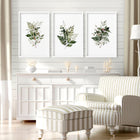
Creating a calming atmosphere can be supported by mindfulness and meditation techniques, which, as Feed Your Spirit highlights, help you connect with your peaceful surroundings. Ultimately, these trends help us create responsive, nurturing homes. For art that brings the outdoors in, I suggest browsing our framed wall pictures for the living room that feature beautiful natural landscapes.


People Also Ask…
Q: What are the biggest interior decorating trends for 2026?
A: The biggest interior decorating trends for 2026 centre on warmth, natural materials, and personal expression — moving away from stark minimalism towards layered textures, curved furniture, and classic architectural details like picture-frame wall panelling. Sustainable materials such as travertine and walnut are replacing fast furniture, and biophilic design is becoming central to how people think about their homes. Open-plan layouts are giving way to defined, intimate zones that give each area a distinct emotional purpose.
Q: What colours are on trend for home interiors in 2026?
A: The 2026 colour palette moves away from cool greys and stark whites towards warmer, earthier tones — creamy whites, warm taupes, terracotta, deep forest greens, and rich ochres. These shades work in harmony with the natural materials and textural layering that define the year's aesthetic, creating spaces that feel grounded rather than clinical. Deeper accent tones such as inky blue and dark walnut brown are also appearing on feature walls and in furniture to add sophistication.
Q: How do I update my home for 2026 trends without spending a lot?
A: The most cost-effective way to bring 2026 interior trends into your home is through textural accessories and wall art rather than new furniture. A boucle cushion, a jute rug, or a chunky-knit throw can immediately shift a room towards the layered, tactile aesthetic that defines the year. A single large-format piece of wall art featuring natural landscapes or earthy abstract tones can transform a room's mood for a fraction of the cost of redecorating.
More About…
For a broader look at what's shaping home interiors this year, Elle Decor's 2026 interior design trends round-up is worth a read.
Pro Tips…
Feeling inspired? Explore these 2026 home decor ideas and more on our Content hub. You'll find plenty of visual examples to help you bring these trends to life in your own home.
Discover inspiring home decor tips and trends to suit a variety of styles and moods.
- Choosing the Perfect Prints for Your Living Room
- Wall Decor Modern Ideas to Refresh Any Room
- What is the 3-5-7 rule: A Simple Formula for interior decor
I hope this guide inspires you to view wall art as both a decorative element and a powerful tool for creating a sanctuary tailored to your relaxation needs. Which style are you leaning towards? Let me know — I'd love to hear your ideas!