

Transforming Spaces: Unveiling the Power of Japan prints and Feng Shui
by Mae Osz on Nov 17, 2023
A feng shui living room isn't simply about moving furniture around — it's about designing a space where energy flows freely, the atmosphere feels balanced, and every element has a purpose. If you've ever walked into a room and immediately felt at ease without knowing why, chances are the space was working with these principles rather than against them. Japanese wall art, with its emphasis on nature, simplicity, and symbolic meaning, is one of the most naturally compatible tools you can bring into a Feng Shui-informed interior.
By Mae Osz | Interior Design Consultant & Home Decor Expert with 12+ years of experience.
Key Takeaways:
- Japanese wall art and Feng Shui share a common foundation — both prioritise simplicity, balance, and a deep connection to the natural world as the basis for a harmonious living environment.
- The muted, nature-inspired colour palette typical of Japan prints — soft greens, blues, and earthy tones — aligns directly with Feng Shui principles for promoting calm and positive energy in bedrooms and meditation spaces.
- Symbolic imagery in Japanese art carries specific meaning: cherry blossoms represent the beauty of impermanence, cranes symbolise longevity, and koi fish represent perseverance and good fortune.
- Feng Shui placement guidelines suggest hanging large landscape prints on north or east walls in the living room to foster tranquillity, and choosing water or floral imagery for bedrooms to support rest.
- The concept of negative space — known as "ma" in Japanese aesthetics — is central to both Japanese art and minimalist Feng Shui design, allowing energy and the eye to move freely through a space.
- Combining Japan prints with Feng Shui is not about following rigid rules but about creating an environment that feels intentional, calm, and genuinely reflective of your own sense of well-being.
Have you ever stepped into a room and immediately felt a sense of tranquillity and harmony? It could be the combination of exquisite Japan prints and careful furniture arrangement according to the principles of Feng Shui. Japanese wall art, known for its elegance and simplicity, can transform spaces and create a serene ambience. Combined with the ancient practice of Feng Shui, which seeks to balance the energy flow within a space, the power of unique wall art becomes even more profound.
List of Contents
- How Japanese Wall Art Supports a Feng Shui Living Room
- Colour and Energy Flow: Choosing the Right Palette
- Symbolic Imagery in Japan Prints
- The Essence of Japan Prints
- Core Feng Shui Principles to Apply in Your Living Room
- Creating Harmony in Your Home with Art and Arrangement
- Enhancing Peace and Tranquillity
- Bringing Positive Energy into Your Space
- Feng Shui Living Room Layout: Where to Start
- What to Avoid in a Feng Shui Living Room
- Best Wall Art Choices for a Feng Shui Living Room
In Japanese culture, wall art decor holds a special significance. It not only serves as a means of aesthetic expression but also as a reflection of the natural world and the harmony of the universe. Traditional Japanese wall art often features images of nature, such as cherry blossoms, bamboo, or serene landscapes, and these carefully selected symbols profoundly impact a room's energy.
How Japanese Wall Art Supports a Feng Shui Living Room
The principles of Feng Shui provide a holistic approach to creating a harmonious living space. Originating from ancient China, Feng Shui is grounded in the belief that the arrangement of objects and energy flow within a space can significantly influence our well-being and success. By incorporating the correct elements and principles into our living environment, we can harness positive energy and create a space that supports our physical, emotional, and spiritual well-being.
When Japan prints and Feng Shui principles are combined, the transformative power of these practices becomes even more evident. The serene and nature-inspired images found in Japanese art prints have a calming effect on the mind and spirit, creating an atmosphere of tranquillity and serenity. When you place these artworks strategically following Feng Shui principles — such as positioning them in areas that promote balance and harmony — the energy of a space flows freely, creating a harmonious and welcoming environment. For a broader look at how to achieve this throughout your home, our guide to zen decor ideas for a calm living space covers complementary principles in detail.
What makes this combination particularly powerful is that neither practice requires dramatic changes to a room. A single well-chosen Japan print, placed thoughtfully on the right wall, can shift the entire feeling of a space in a way that is immediately noticeable but difficult to explain — which is precisely what good Feng Shui feels like in practice.
Colour and Energy Flow: Choosing the Right Palette
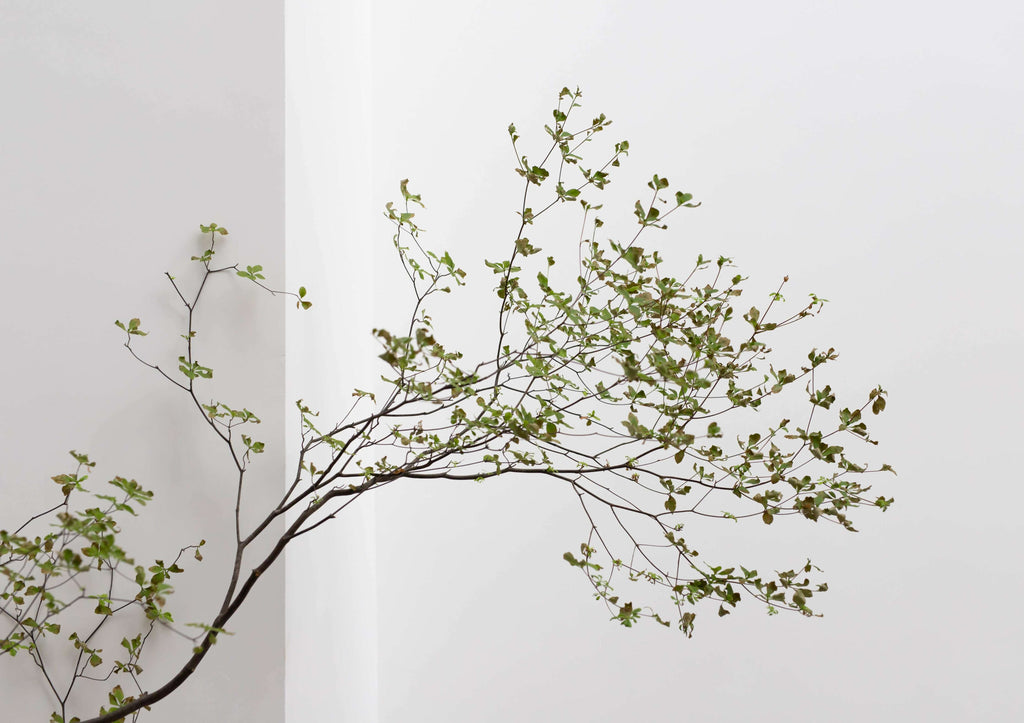
One fundamental principle of Feng Shui is using colour to influence the energy flow within a space. Japanese wall art often incorporates a limited colour palette, with soft and natural tones that evoke a sense of calm and serenity. Earthy tones such as greens, blues, and browns are commonly used to promote relaxation and a connection with nature. By choosing Japanese art prints with these calming colours and placing them in areas that require a balance of energy — such as bedrooms or meditation spaces — the room's energy flows in harmony, allowing for a deeper sense of peace and well-being. For bedroom-specific guidance, see our article on calming wall art ideas for a relaxing bedroom.
Another important aspect of both Japanese wall art and Feng Shui is the concept of balance and simplicity. Japanese wall art often features minimalist designs with clean lines and open spaces. This simplicity creates a sense of calm and allows for a more focused and serene atmosphere. Similarly, Feng Shui principles emphasise decluttering and creating space for energy to flow freely. Combining these practices can transform a space into a sanctuary of tranquillity, promoting clarity of mind and a sense of renewal.
It is worth noting that colour choices should always be considered in relation to the specific room's function and the natural light available. A soft blue that feels serene in a north-facing bedroom might feel cold in a darker space — in which case, warmer earthy tones from the Japanese palette would serve the Feng Shui principles more effectively.
Symbolic Imagery in Japan Prints
Cherry blossoms are among the most commonly depicted subjects in Japan prints. They symbolise beauty, transience, and the fleeting nature of life. Incorporating such imagery into a living space can serve as a reminder to appreciate the present moment and find beauty in impermanence. By selecting wall art that resonates with personal values and beliefs, you can create a space that promotes harmony and reflects your unique identity and aspirations.
Other powerful symbols include the crane, which represents longevity and good fortune, and the koi fish, which symbolises perseverance and the ability to overcome adversity. Mount Fuji, bamboo, and pine trees each carry their own significance in Japanese culture — strength, resilience, and endurance respectively. Understanding the symbolism behind the art you choose means that every piece in your home is doing more than decorating a wall; it is quietly reinforcing the values and energy you want to cultivate in that space.

The Essence of Japan Prints
Japan prints are a reflection of the rich cultural heritage and artistic traditions of Japan. They embody the essence of simplicity, harmony, and serenity deeply rooted in the Japanese way of life. From traditional paintings to contemporary prints, Japanese wall art holds a special place in art enthusiasts' and interior designers' hearts.
Aesthetics and Symbolism
One of the distinguishing characteristics of Japanese wall art is its emphasis on aesthetics. Every brushstroke, colour choice, and composition is carefully thought out to create a visually pleasing and balanced result. The use of negative space, known as “ma,” is prominent in Japanese art, allowing the viewer to appreciate the beauty of emptiness.
Symbolism plays a significant role in Japanese wall art. Many artworks are infused with powerful symbols that hold special meaning in Japanese culture. The cherry blossom represents the transient nature of life, while the crane symbolises longevity and good fortune. These symbols add depth and resonance to the artwork, creating a deeper connection between the viewer and the piece.

Nature and Seasons
Nature holds a central place in Japanese wall art. Artists draw inspiration from the natural world, capturing its beauty and essence in their artwork. Paintings of landscapes, flowers, birds, and animals are commonly found in Japanese wall art. The depiction of seasons, with their distinctive colours and atmospheres, is a recurring theme, symbolising the transient nature of existence and the appreciation of impermanence.

Traditional Techniques
Traditional Japanese wall art often employs techniques passed down through generations. Sumi-e, or ink wash painting, is one such technique that uses black ink and brush strokes to create minimalist yet powerful images. The restraint required by these techniques — achieving maximum expression with minimum marks — is itself a form of Feng Shui thinking applied to the creative process.

Zen and Spirituality
Japanese wall art often reflects the influence of Zen Buddhism and spirituality. Zen's minimalist and serene qualities are embodied in the artwork, promoting a sense of calm and tranquillity. The use of negative space and the emphasis on capturing the subject's essence rather than its meticulous details reflect the Zen concept of mindfulness and living in the present moment.

Contemporary Adaptations
While traditional Japanese wall art continues to be highly valued, contemporary adaptations are emerging to meet the evolving tastes and preferences of the modern world. Artists blend traditional techniques with contemporary themes and styles, creating a fusion of old and new. These adaptations often incorporate elements of nature, symbolism, and spirituality, reflecting Japanese wall art's timeless beauty and relevance.

In conclusion, Japanese wall art encapsulates the essence of Japanese culture and aesthetics. Its emphasis on simplicity, harmony, and symbolism creates a serene and inviting atmosphere in any space. Whether it is traditional artwork or contemporary adaptations, Japanese wall art continues to enchant and inspire art enthusiasts, interior designers, and those seeking tranquillity in their surroundings.
Core Feng Shui Principles to Apply in Your Living Room
Feng Shui is an ancient Chinese practice that focuses on arranging and placing objects in a space to achieve harmony, balance, and positive energy flow. This principle can be applied to various aspects of life, including home design and décor. By incorporating the principles of Feng Shui into your space, you can create an environment that promotes peace, prosperity, and well-being.
One of the key elements of Feng Shui is the concept of yin and yang, which represents opposing yet complementary forces. Balancing these forces within a space is believed to bring harmony and positive energy. In Japanese wall art, incorporating yin and yang elements can be achieved through contrasting colours, shapes, and textures.

Colours play a significant role in Feng Shui, as they are believed to have specific energetic qualities. In Japanese wall art, colours such as red — representing passion and vitality — or blue, symbolising tranquillity and relaxation, can be strategically employed to create the desired atmosphere. It is essential to choose colours that align with the purpose and function of the space to enhance the overall energy flow.
Shapes also have symbolic meanings in Feng Shui. In Japanese wall art, you may find representations of circular shapes representing unity and harmony, or square shapes symbolising stability and balance. Incorporating these shapes into your space can enhance the energetic flow and create a sense of equilibrium. When considering the principles of Feng Shui in relation to Japanese wall art, the ultimate goal is always to create a space that supports your well-being and aligns with your intentions.
Creating Harmony in Your Home with Art and Arrangement
Achieving harmony in home decor is fundamental in both Japanese wall art and Feng Shui. Both philosophies emphasise creating a balanced, peaceful environment that promotes positive energy and well-being. Incorporating these principles into your home decor allows you to transform your living space into a harmonious sanctuary.
Japanese Wall Art: A Source of Balance and Serenity
Japanese wall art has long been renowned for its ability to create a sense of tranquillity and balance in a space. Traditional Japanese art forms such as Ikebana (the art of flower arrangement), calligraphy, and woodblock prints all contribute to the serene atmosphere.
One key aspect of Japanese wall art is its emphasis on simplicity and minimalism. Using clean lines, muted colours, and natural materials helps create a calming and uncluttered space. Traditional Japanese themes such as nature, landscapes, and Zen gardens are often depicted in these artworks, invoking a sense of peace and harmony with the natural world.

When choosing Japan wall art prints for your home, select pieces that align with your desired atmosphere. Incorporate artwork that complements your space's overall design aesthetic and colour scheme. Whether a delicate cherry blossom painting or a serene landscape print, these art pieces can act as focal points and create a sense of balance within your home.
Feng Shui: Balancing Energy in Your Living Space
Feng Shui, a Chinese philosophy of arranging furniture and objects to promote positive energy flow, can be seamlessly integrated with Japanese wall art to enhance harmony in your home. This ancient practice seeks to balance the yin and yang energies, which are believed to influence the well-being and harmony of individuals within a space.
In Feng Shui, the placement of furniture, objects, and artwork is essential to creating a harmonious environment. Japanese wall art plays a crucial role in this arrangement, as it helps create a visually pleasing and balanced atmosphere. Artwork with soft and flowing lines and natural, calming themes contributes to positive energy flow.

According to Feng Shui principles, consider incorporating Japanese wall art in specific areas of your home. In the living room, place a large landscape painting on the north or east wall to foster a sense of tranquillity and balance. In the bedroom, choose artwork that promotes relaxation and a restful atmosphere, such as serene water scenes or gentle floral designs.
Creating Your Harmonious Haven
To achieve harmony in home decor, incorporate elements of Japan wall art prints and Feng Shui principles thoughtfully:
- Emphasise simplicity and minimalism in your overall design aesthetic, using clean lines, muted colours, and natural materials.
- Choose Japanese wall art that aligns with your desired atmosphere, incorporating pieces that complement your existing colour scheme and overall design.
- Apply Feng Shui principles in placing furniture, objects, and artwork, ensuring a balanced energy flow throughout your home.
- Consider the specific themes and motifs in Japanese wall art to create a harmonious environment in each area of your home.
By combining the beauty of Japanese wall art with the principles of Feng Shui, you can transform your living space into a harmonious haven that nurtures balance, tranquillity, and positive energy.
Enhancing Peace and Tranquillity
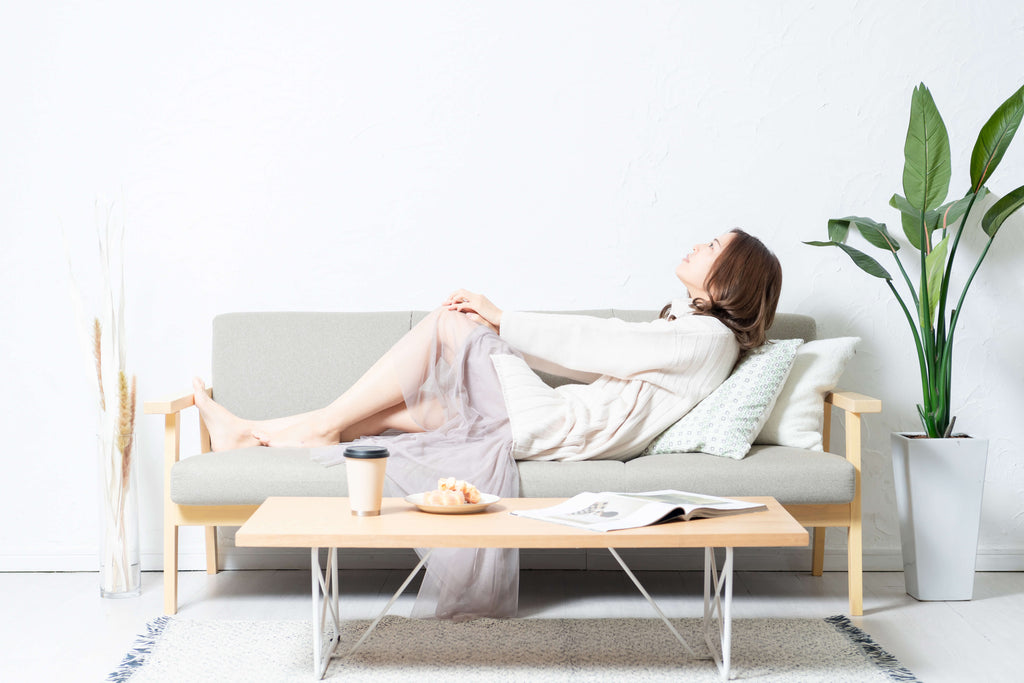
Japanese wall art, combined with Feng Shui principles, can transform spaces into havens of peace and tranquillity. By carefully selecting and arranging artwork, you can create a harmonious atmosphere that promotes a sense of calm and balance.
1. Nature and Serenity
One of the fundamental elements of Japanese wall art is its close connection to nature. Whether it's a painting of a serene landscape, a delicately crafted bamboo screen, or a simple cherry blossom print, these artworks bring the beauty of the natural world indoors. The presence of nature-inspired art can create a soothing and tranquil environment, reducing stress and promoting a sense of serenity.
2. Colour and Balance
The colours used in Japanese wall art are central to creating a peaceful ambience. Traditional Japanese art often features a muted colour palette, characterised by subtle earth tones, soft pastels, and harmonious combinations. These colours help to create a sense of balance and tranquillity within a space.
When selecting artwork, consider the colour scheme of your room and choose pieces that complement or enhance it. If your walls are painted in neutral tones, opting for art with soft blues or greens can deepen the calming effect. Conversely, if your room is already vibrant, choosing art with more muted colours will help balance the energy.
3. Symmetry and Placement
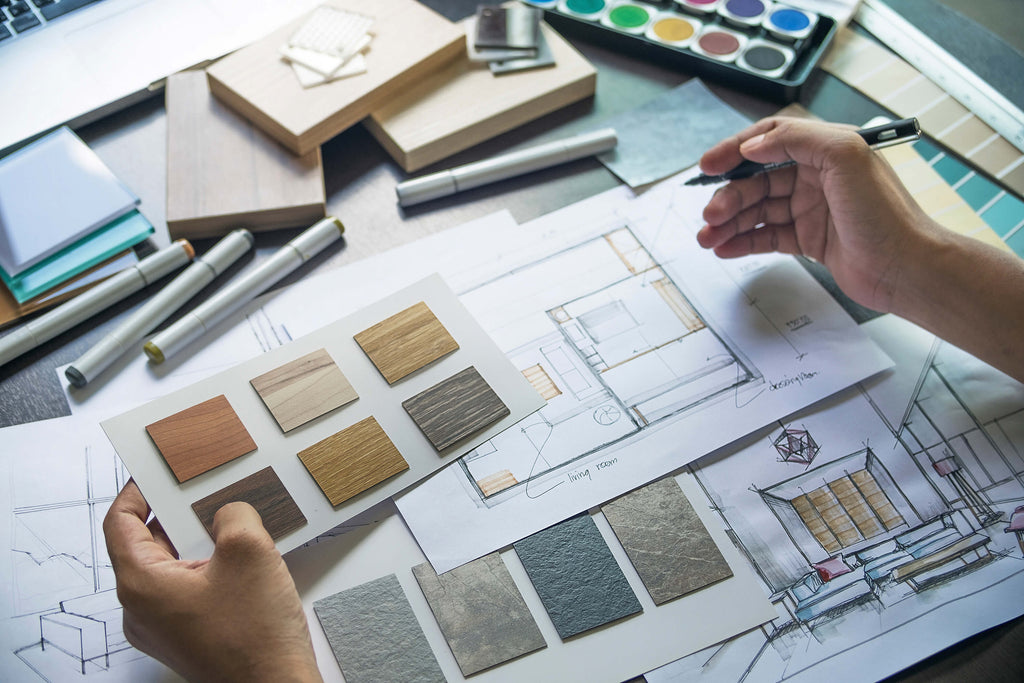
Feng Shui principles emphasise the importance of proper placement and symmetry in creating a harmonious environment. Consider the size and shape of the space you intend to decorate when choosing your Japanese wall art. Larger, bold pieces can anchor a room and draw attention, while smaller, more delicate artworks can be placed strategically to create a sense of balance.
Balance is vital when arranging artwork. If you have a large piece on one side of the room, balance it with a smaller piece or a group of smaller pieces on the opposite side. This helps to create a visually pleasing and harmonious atmosphere.
4. Calming Themes and Imagery
Japanese wall art often incorporates calming themes and imagery like the ocean, mountains, or Zen gardens. These motifs are visually appealing and evoke a sense of peace and tranquillity. By incorporating such elements into your decor, you create a space that encourages relaxation and contemplation.
Be mindful of the symbols and representations used in Japanese art. Koi fish symbolise good luck and perseverance, while cranes represent longevity and wisdom. By understanding the symbolism behind the artwork, you can infuse your space with deeper meaning and promote a genuine sense of tranquillity.

5. Minimalism and Simplicity
The principles of minimalism and simplicity are deeply rooted in Japanese aesthetics. Japanese wall art often features clean lines, uncluttered compositions, and a focus on the subject's essence. This minimalist approach creates a sense of calm and eliminates visual distractions.
When selecting artwork, opt for pieces that have a simple and uncluttered design. Avoid artworks that are overly busy or intricate, as they can disrupt the peaceful atmosphere you are trying to create. Embrace minimalism and let the art speak for itself.
Incorporating Japanese wall art and Feng Shui principles into your home or workspace can profoundly impact your well-being. Creating a space that promotes peace and tranquillity invites a sense of harmony and balance into your life.
Bringing Positive Energy into Your Space
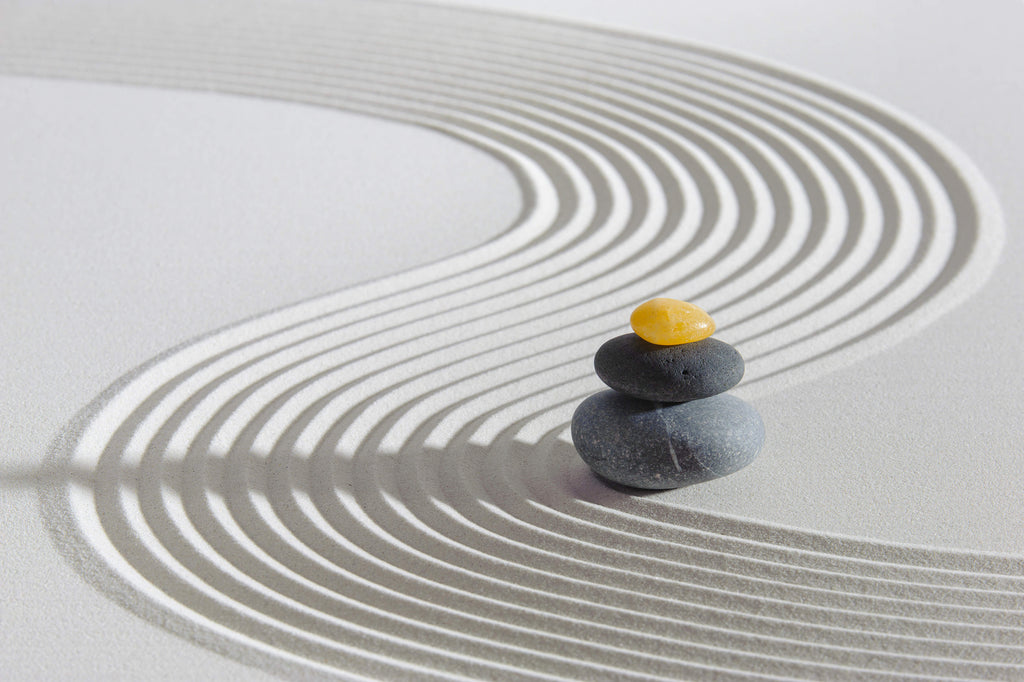
Creating a harmonious and positive environment is essential to achieving balance and well-being in your space. Incorporating Japanese wall art and applying Feng Shui principles can effectively bring positive energy into your home or office.

The most important thing to remember is that positive energy in a space is not created by any single object or arrangement — it is the cumulative result of many small, intentional choices. Choosing art that genuinely resonates with you, placing it where it can be seen and appreciated daily, and keeping the surrounding space clear and uncluttered are the three most practical steps you can take to bring Feng Shui principles to life through Japanese wall art.
Feng Shui Living Room Layout: Where to Start
The layout of your living room is the foundation of good Feng Shui — and it is the area where most homes can make the greatest improvement with the least effort. The leading Feng Shui principle for any living room is the commanding position: your sofa should be placed so that the person seated on it has a clear sightline to the door, without being directly in line with it. This positioning creates a subconscious sense of safety and control, which is central to how Feng Shui supports well-being.
Avoid pushing all furniture against the walls. Leaving a small gap between large pieces and the wall allows energy — known as chi — to circulate around the room rather than becoming stagnant at the edges. A coffee table centred in front of the sofa acts as a grounding element, especially when made from natural materials such as wood or stone.
Once your furniture is arranged to allow good flow, the walls become the next priority. Art placed at eye level on the north or east walls is considered particularly auspicious in Feng Shui practice, and a large calming landscape print in one of these positions can immediately shift the energy of the room.
What to Avoid in a Feng Shui Living Room
Knowing what to remove or avoid is just as important as knowing what to add. Clutter is the most significant obstacle to good Feng Shui — it traps energy and creates a sense of mental noise that makes a room feel exhausting rather than restorative. A quick and effective first step is to remove anything from the living room that does not serve a clear function or bring genuine pleasure.
Sharp corners pointing towards seating areas — sometimes called 'poison arrows' in Feng Shui — are believed to direct negative energy. Soften these with plants, rounded furniture, or art placed to redirect the eye. Mirrors facing the front door are also discouraged, as they are thought to push energy back out of the home before it can circulate. Positioning mirrors to reflect natural light or a beautiful piece of wall art is far more beneficial.
Electronics, particularly televisions, introduce active yang energy that can make relaxation difficult. If a television is a fixture in your living room, balance it with softer, yin elements nearby — a low-light plant, a piece of calming Japanese landscape art, or a textured natural material such as linen or wool.
Best Wall Art Choices for a Feng Shui Living Room
Artwork carries symbolic energy in Feng Shui, and the imagery you choose for your living room matters as much as its placement. Nature-inspired subjects — mountains, flowing water, blossoming trees, and open skies — are universally positive in Feng Shui because they introduce the five natural elements (wood, fire, earth, metal, and water) into the space in a gentle, controlled way.
Japanese prints are particularly well aligned with these principles. A mountain landscape introduces the earth element and a sense of permanence; cherry blossom prints bring the wood element alongside a beautiful reminder of renewal and impermanence; koi fish imagery channels the water element and is associated with abundance and perseverance. Choosing prints that represent the elements you feel are lacking in your home is a simple, practical way to use art as a Feng Shui tool.
Avoid imagery that feels confrontational, chaotic, or sorrowful — Feng Shui practice considers the emotional resonance of art to be as important as its aesthetic quality. A set of coordinated Japanese prints in soft, natural tones will almost always outperform a single dramatic statement piece when the goal is calm, balanced energy.
WATCH: Feng Shui Made Easy — Beginner's Guide to Harmonising Your Home
Japanese art spans centuries of tradition — from ukiyo-e woodblock prints to contemporary works shaped by nature, ritual, and a refined sense of balance.
For a deeper look at the origins and principles of Feng Shui, Wikipedia's Feng Shui overview provides a clear and thorough introduction to the practice.


