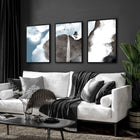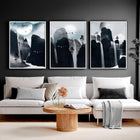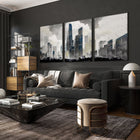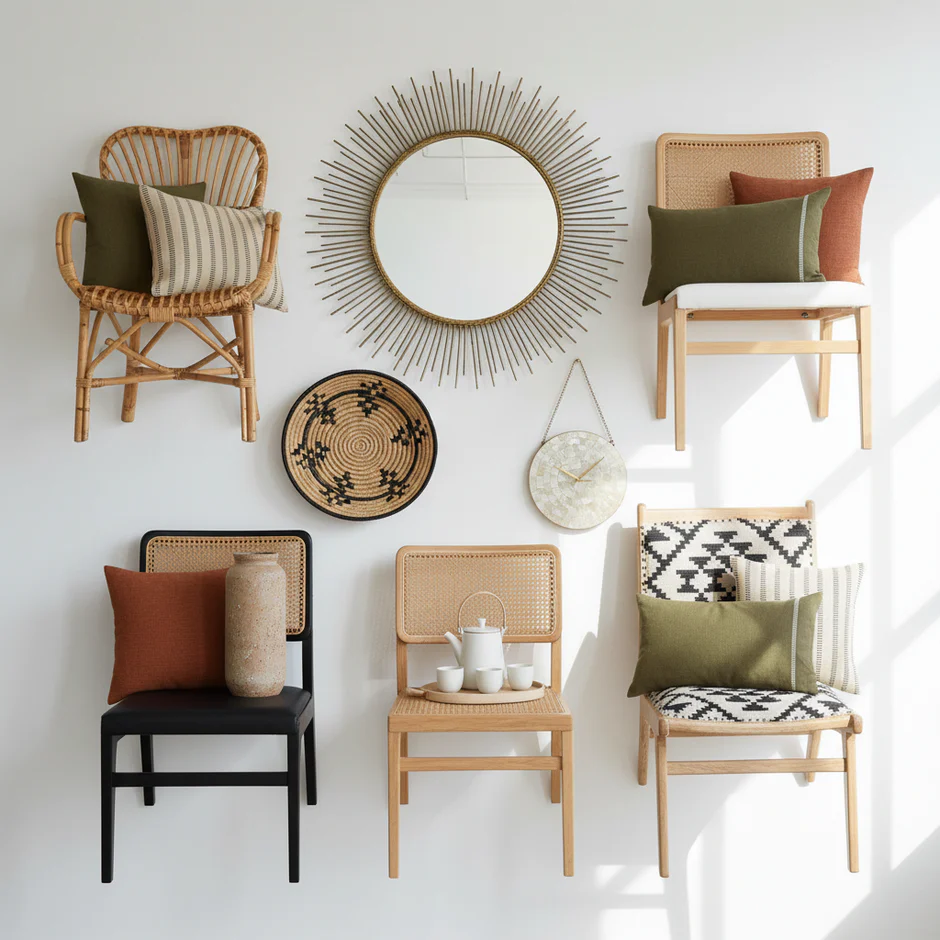


Have you ever thought about how accent wall art ideas can give any room an instant upgrade?
The right wall art paired with a feature wall doesn’t just decorate—it completely transforms how your space feels.
Many people assume bold colours or trendy patterns are all it takes, but studies show that a strategically placed accent wall can actually make a room feel up to 30 percent larger and far more stylish than traditional decorating methods.
Surprising, isn’t it? The real magic happens when you choose and style your wall art thoughtfully—get this part right, and even the dullest corner can take on a personality of its own.
Table of Contents
- Choose The Right Wall
- Consider Your Colour Scheme
- Use Large-Scale Artwork
- Create A Gallery Wall
- Incorporate Textured Elements
- Mix Artistic Styles
- Personalise with accent wall art ideas
Quick Summary
| Takeaway | Explanation |
|---|---|
| Choose a structurally prominent wall | Select a wall without interruptions and that draws the eye for maximum impact. |
| Utilise complementary colour schemes | Choose wall art that harmonises with your wall colour to enhance emotional resonance. |
| Opt for large-scale artwork | Large pieces create dramatic visual focal points, making your space feel more cohesive. |
| Create a balanced gallery wall | Mix various art styles and frame sizes to personalise your space with storytelling elements. |
| Incorporate textured elements | Use 3D artwork and natural materials to add depth and visual interest to your accent wall. |

1: Choose the Right Wall
Selecting the perfect wall for your accent wall art is the foundational step in transforming your living space. Not every wall is created equal, and understanding how to identify the ideal canvas can make a significant difference in your home’s aesthetic appeal.
When considering accent wall art ideas, focus on walls that naturally draw the eye and complement your room’s existing architecture. According to DIY Doctor, strategic wall selection is crucial for creating visual impact.
Key considerations for choosing your accent wall include:
- Structural prominence: Select walls without interruptions like windows or doors
- Room orientation: Choose walls that create natural visual balance
- Existing architectural features: Chimney breasts or alcoves can serve as excellent accent wall locations
Not all rooms are identical, so you’ll want to evaluate your specific space carefully. In living rooms, the wall behind the sofa or facing the entrance often works brilliantly. Bedrooms might benefit from the wall behind the headboard, while dining areas could highlight walls near key furniture pieces.
Consider the room’s natural light and traffic flow when making your selection. A wall that receives ample natural light can help your art piece shine, while avoiding high-traffic areas prevents potential damage.
Pro tip: Use painter’s tape to temporarily mark potential accent walls. This allows you to visualise the potential impact before making a permanent commitment. Step back, observe from different angles, and imagine how your chosen wall art types will transform the space.
Remember, the right wall acts as a storytelling backdrop for your art, creating a focal point that captures attention and reflects your personal style.

2: Consider Your Colour Scheme
The colour scheme you select plays a pivotal role in transforming your accent wall art from a mere decoration to a powerful design statement. Colour is not just visual; it communicates emotion, sets mood, and creates atmosphere within your living space.
According to National Design Academy, colour can fundamentally alter room perception before any furniture is positioned. Your chosen palette will serve as the foundational backdrop for your wall art, making it crucial to select harmonious tones.
Consider these essential colour scheme strategies:
- Complementary colours: Select art that either matches or intentionally contrasts with your wall colour
- Mood setting: Choose colours that reflect the emotional tone you want in the room
- Existing decor: Ensure your wall art integrates seamlessly with current furniture and design elements

Neutral walls provide incredible versatility, allowing bold art pieces to become striking focal points. Soft greys, warm whites, and muted beiges create elegant canvases that let artwork truly shine. Conversely, deep, rich wall colours like navy, emerald, or burgundy can create dramatic backdrops that make art feel more intense and sophisticated.
Psychological colour principles matter immensely. Warm tones like terracotta and mustard can create intimate, energetic spaces, while cool blues and greens promote calmness and tranquillity. Your wall colour should complement your art’s emotional narrative.
When selecting your colour scheme, consider lighting conditions. Natural and artificial light dramatically impact how colours appear throughout the day. Test paint samples at different times to understand their true character.
Pro tip: Use interior decor ideas to experiment with colour combinations before committing. Digital design tools and sample swatches can help visualise potential arrangements, ensuring your accent wall art creates the exact atmosphere you desire.
3: Use Large-Scale Artwork
Large-scale artwork represents the ultimate statement piece in accent wall design, transforming ordinary spaces into extraordinary visual experiences. These expansive art pieces do more than decorate - they redefine the entire atmosphere of a room.
According to the National Design Academy, large-scale artwork serves as a powerful focal point, providing colour, texture, and a sense of completeness to interior spaces.
Key advantages of incorporating large-scale artwork include:
- Dramatic visual impact: Creates an immediate, compelling focal point
- Space perception: Can make rooms feel larger and more intentionally designed
- Emotional resonance: Allows for deeper artistic expression and connection
Proportions matter significantly when selecting large-scale art. A piece should typically occupy approximately two-thirds to three-quarters of your accent wall’s width. This creates visual balance without overwhelming the space. Consider oversized photographic prints, abstract canvases, or expansive mixed-media installations that command attention.


Texture becomes crucial with large artworks. Dimensional pieces like sculptural wall hangings or textured canvas prints add depth and intrigue. These three-dimensional elements catch light differently throughout the day, creating dynamic visual experiences.
When selecting your large-scale artwork, consider your room’s existing architecture and furniture. The art should complement, not compete with, other design elements. Minimalist spaces benefit from bold, graphic pieces, while more ornate rooms might require more subdued, textural artwork.
Pro tip: Before purchasing, use painter’s tape to mark the potential artwork’s dimensions on your wall. This visual representation helps you understand scale and placement. If you need inspiration for solving focal point challenges, this technique can be incredibly helpful.
Remember, large-scale artwork is an investment in your home’s aesthetic narrative - choose pieces that speak to you and reflect your personal style.
4: Create a Gallery Wall
A gallery wall represents an extraordinary opportunity to transform your accent wall into a personalised narrative of art, memories, and visual storytelling. This approach allows you to curate a dynamic and deeply personal display that goes far beyond traditional single-piece artwork.
According to the UK government’s research on art and design, engaging with art enables individuals to explore creativity and express personal imagination.
Essential considerations for crafting a compelling gallery wall include:
- Visual cohesion: Select pieces with complementary colour palettes or themes
- Varied frame styles: Mix different frame sizes, materials, and textures
- Personal significance: Include artwork that tells your unique story
Composition is key when designing your gallery wall. Start by laying out your selected pieces on the floor, experimenting with arrangements before committing to wall placement. This technique allows you to visualise the overall composition and make adjustments without unnecessary wall damage.

Consider creating a balanced yet intentionally asymmetrical layout.
Artwork positioning should feel organic - avoid strict grid formations. Mix larger statement pieces with smaller complementary frames to create visual interest and depth. Maintain consistent spacing between pieces, typically 5-10 centimetres, to create a unified look.
Diversity in artwork style can elevate your gallery wall from mundane to magnificent. Combine different mediums like photographs, watercolour prints, sketches, and even three-dimensional objects. This eclectic approach ensures your wall feels curated rather than cluttered.
If you’re unsure how to hang art in challenging spaces, our guide on hanging wall art can provide additional techniques for unique wall configurations.
Remember, a gallery wall is a living, evolving display. Don’t be afraid to rotate pieces, add new artwork, or adjust your arrangement as your tastes and life experiences change.
5: Incorporate Textured Elements
Texture transforms accent wall art from two-dimensional decoration to a multisensory experience that engages not just sight, but touch and perception. Textural elements create depth, intrigue, and visual complexity that elevate your wall art from ordinary to extraordinary.
According to the National Design Academy, incorporating natural materials can create a warm, calming environment that resonates with our innate connection to organic surfaces.
Consider these textural techniques for your accent wall:
- Dimensional wall hangings: Macramé, woven tapestries, and sculptural pieces
- Mixed media artwork: Combine painting, fabric, and three-dimensional objects
- Relief techniques: Incorporate raised elements like wood carving or embossed metals

Natural materials offer exceptional textural opportunities. Wooden panels, rattan installations, and woven textile art pieces introduce organic warmth and tactile richness. Think beyond traditional flat artwork - explore three-dimensional wall sculptures that cast interesting shadows and create visual movement.
Metal artwork provides another sophisticated textural option. Copper, brass, and steel pieces can introduce metallic textures that reflect light differently throughout the day. Hammered, brushed, or patinated metal surfaces add complexity and intrigue to your accent wall.
Consider layering textures for maximum impact. A ceramic wall installation paired with a wooden frame, or a textile piece mounted on a sleek metal background, creates visual dialogue and depth. The interplay between different materials tells a richer story than a single, uniform surface.
If your space feels monotonous, explore techniques for breaking neutral tones by introducing varied textures. This approach prevents visual flatness and adds dynamic interest.
Remember, texture is about creating an emotional connection. Choose pieces that not only look compelling but also invite touch and contemplation.

6: Mix Artistic Styles
Mixing artistic styles transforms your accent wall from a simple display into a sophisticated narrative of visual diversity. Eclectic combinations breathe life and personality into your living spaces, creating a unique artistic landscape that reflects your individual aesthetic journey.
According to the University of the Arts London, understanding and reinterpreting classic styles can dramatically inform contemporary interior design approaches.
Key principles for successfully blending artistic styles include:
- Colour harmony: Select pieces with complementary colour palettes
- Scale balance: Mix larger statement pieces with smaller, intricate artworks
- Thematic connection: Find subtle visual or emotional threads between different styles
Contemporary art can beautifully coexist with traditional pieces when approached thoughtfully. A minimalist geometric print might sit elegantly beside a vintage botanical illustration, creating a dialogue between different artistic eras and sensibilities. The secret lies in finding unexpected yet harmonious connections.
Consider juxtaposing contrasting artistic movements. A sleek, abstract digital print could create fascinating tension when placed near a classic watercolour landscape. These deliberate style contrasts generate visual intrigue and prevent your accent wall from feeling monotonous.

Texture and framing play crucial roles in style mixing. Uniform frames can help unify diverse artworks, while varied frame styles can emphasize the intentional eclecticism of your display. Metallic frames, wooden frames, and minimalist white frames can each contribute to your artistic narrative.
If you’re struggling to add personality to your space, explore strategies for enhancing room decor that go beyond traditional styling approaches.
Remember, artistic style mixing is about creating a personal museum wall that tells your unique story - embrace imperfection and let your creativity guide you.
7: Personalise with Accent Wall art ideas
DIY art represents the most intimate and meaningful approach to creating an accent wall, transforming your space into a deeply personal canvas that tells your unique story. Handcrafted artwork becomes an extension of your own creativity, reflecting memories, emotions, and individual experiences.
According to the Museum of the Home, personal expression through art is a powerful way to make living spaces feel truly yours.
Consider these DIY art techniques for your accent wall:
- Photography projects: Create personalised photo collages or printed memories
- Mixed media artwork: Combine painting, fabric, and found objects
- Craft-based installations: Experiment with macramé, paper art, or textile designs

Affordable materials can yield stunning results. Watercolour papers, canvas boards, and acrylic paints provide accessible entry points for artistic experimentation. You don’t need professional training - just enthusiasm and willingness to explore.
Photographic memories offer exceptional DIY potential. Transform personal travel photographs, family portraits, or meaningful landscape shots into large-scale art pieces. Black and white prints or sepia-toned images can add sophisticated elegance to your accent wall.
Textile arts like embroidery, weaving, or fabric painting introduce textural dimension. A hand-stitched wall hanging or a painted fabric panel can become a captivating focal point that tells a deeply personal narrative.
Consider creating art that represents significant life moments. A map marking travel destinations, a timeline of family photographs, or an abstract representation of a meaningful journey can transform your wall into a personal museum.
If you’re seeking inspiration for unique wall decor, explore our curated wall art collection for ideas that might spark your own creative vision.

Remember, DIY art is about celebrating imperfection. Each brushstroke, stitch, and creative decision reflects your individual journey - embrace the beautiful uniqueness of your artistic expression.
The table below summarises the seven key accent wall art ideas explored in the article, highlighting the main strategies, core principles, and benefits to help you create a stunning home.
| Accent Wall Idea | Main Principle | Implementation Tips | Key Benefit |
|---|---|---|---|
| Choose the Right Wall | Select a structurally prominent, interruption-free wall | Assess lighting, traffic, and architectural features | Maximises visual impact and sets the focal point |
| Consider Your Colour Scheme | Harmonise art and wall colours for desired atmosphere | Use complementary or contrasting palettes, test in various lights | Enhances emotional resonance and cohesion |
| Use Large-Scale Artwork | Opt for large statement pieces as focal points | Occupy two-thirds of wall width, consider texture and proportion | Creates drama and makes spaces feel larger |
| Create a Gallery Wall | Arrange diverse artwork for a curated, personal narrative | Mix sizes, frames, and media; experiment with layout before hanging | Adds storytelling and dynamic visual interest |
| Incorporate Textured Elements | Add tactile depth with 3D art and natural materials | Use tapestries, mixed media, metal or wood sculptures | Prevents monotony, introduces multisensory dimension |
| Mix Artistic Styles | Blend different artistic eras and genres for eclectic appeal | Maintain colour harmony, balance scale and unify with framing | Brings individuality and sophistication |
| Personalise with DIY Art | Create or customise artwork for a unique, meaningful display | Use photography, mixed media, textile crafts; focus on personal memories | Reflects your story and injects personal creativity |

Turn Inspiration into a Breathtaking Accent Wall
You have learnt how the right accent wall art can completely change the look and feel of your home. Yet, choosing pieces that truly match your colour scheme, create impact in large formats, mix artistic styles, or deliver on personal touches can feel daunting. It is easy to be stuck with blank walls or uninspiring decor despite a wealth of ideas. Many struggle to find artwork that fits their space, evokes emotion, or adapts to evolving design trends as discussed in the article’s guidance on scale, texture, and personalisation.
Discover how to make those transformations effortless at aboutwallart.com. Our curated selection ensures you find artwork in the right proportions and styles for every wall. If you need more DIY inspiration or want to break through style stagnation, browse our unique wall art collection for handpicked ideas that align with any of the seven approaches mentioned. Bring your perfect accent wall to life today—visit aboutwallart.com and create a home that feels truly yours!

More About
For deeper insight on how colour, scale, and the psychology of art influence interior design, check out this excellent resource: “55 Stylish Wall Decor Ideas That'll Make Your Home Look SO Detailed"
This article examines how different hues affect mood and perception in home spaces, with advice on pairing art and wall colours for emotional harmony.
Pro Tips
Here are 3 related posts from the About Wall Art Content Hub that complement the topic of “accent wall art ideas.” All links are working at time of checking, and they offer further inspiration or practical guides.
-
How to Decorate a Large Wall in Your Living Room With Wall Art Prints — explore scale, mix-and-match frame styles, how to choose art that fills large walls without overwhelming.
-
Interior Decor Ideas for Living Room Makeover — includes tips on layering colours, using statement wall art, balancing textures and bold vs neutral palettes.
-
Mesmerising Spaces: Elevate Your Space with Teal Color Wall Art — great if you’re interested in using a striking colour (teal) in art pieces or wall accents to energise a room.