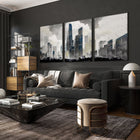
Have you ever wondered how DIY accent wall ideas can completely transform a room without breaking the bank?
Accent walls have become the clever shortcut for injecting life, colour, and personality into even the dullest spaces. In fact, nearly 68% of British homeowners are now experimenting with them to refresh their décor without a full renovation.
Many people assume you need an interior designer or a huge budget to create a striking look, but the real secret is that it’s surprisingly simple. With the right inspiration and a little know-how, anyone can turn a plain wall into a show-stopping feature that brings a whole room to life.
Table of Contents
- Choosing The Right Wall For Your Accent
- Selecting A Colour Scheme That Fits Your Style
- Using Wallpaper For Instant Impact
- Exploring Wood Paneling For A Rustic Feel
- Creating A Chalkboard Wall For Fun And Function
- Incorporating Art Or Gallery Walls
- Adding Texture With Fabric Or Wall Tapestries
Quick Summary
| Takeaway | Explanation |
|---|---|
| Select a prominent wall for your accent | Choose a wall that naturally draws the eye, enhancing your room’s focal point. Consider architectural features and natural light for the best effect. |
| Choose colours that reflect your style | Use a primary color that complements existing decor and apply the 60-30-10 rule for a balanced colour scheme. Experiment to find your perfect palette. |
| Utilise wallpaper for transformative flair | Modern wallpaper offers diverse patterns and textures that can instantly elevate your space. Ensure the design complements your existing decor and consider removable options. |
| Incorporate wood paneling for warmth | Wood paneling adds charm and depth to interiors. Select suitable wood types and consider panel orientation for visual interest while factoring in installation techniques. |
| Design interactive chalkboard walls | Chalkboard walls promote creativity and practicality. Prepare the surface properly and consider different paint colours or magnetic options to enhance functionality. |
1: Choosing the Right Wall for Your Accent
Transforming your living space starts with selecting the perfect wall for your diy accent wall ideas. Not every wall is created equal, and choosing the right canvas can make or break your design vision. When considering potential walls, look for spaces that naturally draw the eye and have the potential to become a stunning focal point.
Before diving into your project, assess your room’s architectural features and existing layout. Key considerations for selecting an accent wall include:
-
Natural focal points like fireplace walls or areas behind major furniture pieces
-
Walls without many windows or doors that might disrupt the visual flow
-
Spaces that receive good natural lighting to highlight your accent design

According to the National Model Design Code, design principles matter significantly when choosing walls. The wall you select should complement your room’s existing architectural character and create a harmonious visual narrative.
Consider the room’s function and traffic patterns. A well-chosen accent wall can visually expand a space, create depth, and add personality without overwhelming the entire room. For smaller rooms, select a wall that won’t make the space feel cramped. In larger areas, you have more flexibility to experiment with bold designs and vibrant colours.
If you’re unsure which wall to choose, try this simple trick: stand in the doorway and scan the room. The wall that catches your eye first is often the ideal candidate for your diy accent wall ideas. Remember, the goal is to enhance your space, not compete with its existing elements.
Tips for making your final selection include photographing the room from different angles, using painter’s tape to mock up potential accent wall boundaries, and considering how natural and artificial light will interact with your chosen wall throughout the day.
With careful consideration and a creative approach, you’ll transform an ordinary wall into an extraordinary design statement that reflects your unique style and breathes new life into your living space.
2: Selecting a Colour Scheme That Fits Your Style
Choosing the perfect colour scheme for your diy accent wall ideas is an art form that requires both creativity and strategic thinking. Your wall colour sets the emotional tone for the entire space, transforming a simple room into a personal sanctuary that reflects your unique style and personality.
According to the National Design Academy, creating a harmonious colour palette involves understanding how different hues interact and influence mood. Effective colour selection goes beyond aesthetic appeal and delves into the psychological impact of colours.
When exploring colour schemes for your accent wall, consider these essential strategies:
-
Select a primary colour that resonates with the room’s existing decor
-
Choose complementary or analogous colours that create visual harmony
-
Use the 60-30-10 rule: 60% dominant colour, 30% secondary colour, 10% accent colour

Psychological colour associations play a crucial role in your selection. Warm tones like terracotta and mustard yellow can create an inviting, energetic atmosphere, while cool blues and greens promote calmness and relaxation. Neutral palettes offer versatility and timeless elegance, allowing you to experiment with different decorative elements.
Experimentation is key in finding your perfect colour scheme. Don’t be afraid to test multiple options. Use paint samples, digital visualization tools, and natural lighting to see how colours transform throughout the day. Consider the room’s function, existing furniture, and the emotional ambience you want to create.
While trending colours can inspire, prioritize colours that genuinely speak to your personal aesthetic. Your accent wall should feel like an authentic extension of your style, not a temporary design fad. If you’re uncertain, start with muted tones and gradually introduce bolder elements.

Remember that texture and finish can dramatically alter a colour’s appearance. Matte finishes create a soft, sophisticated look, while glossy surfaces reflect light and add depth. Experiment with different paint techniques like colour washing, ombré, or geometric patterns to add visual intrigue to your diy accent wall ideas.
Ultimately, the perfect colour scheme is one that makes you feel at home, inspired, and comfortable in your own space.
3: Using Wallpaper for Instant Impact
Wallpaper represents one of the most dynamic and transformative tools in diy accent wall ideas, offering an instant visual revolution for any living space. Modern wallpaper designs have moved far beyond traditional floral patterns, presenting an extraordinary range of textures, colours, and artistic expressions that can dramatically reshape your room’s personality.
According to University Hospitals Sussex NHS Foundation Trust, thoughtfully selected visual designs can profoundly influence emotional experiences within a space. This insight translates beautifully to home decor, where wallpaper becomes more than mere decoration—it’s a narrative tool that communicates your personal style.
When exploring wallpaper options for your accent wall, consider these critical selection strategies:
-
Choose designs that complement existing furniture and architectural elements
-
Select scale and pattern appropriate to your room’s dimensions
-
Consider removable wallpapers for renters or those wanting flexible design options

Texture plays a crucial role in wallpaper selection. Metallic finishes can add sophisticated shimmer, while textured papers like grasscloth or embossed designs create depth and intrigue. Geometric patterns offer a contemporary feel, whereas botanical prints bring organic warmth to your space.
Practical application matters as much as design selection. Measure your wall precisely, purchase slightly more wallpaper than required to account for pattern matching, and invest in quality adhesive and application tools. Preparation is key—ensure walls are smooth, clean, and primed before installation.
For those hesitant about covering an entire wall, consider creative application techniques. Create a framed wallpaper section, use it as a backdrop for shelving, or apply it to unexpected surfaces like cupboard interiors or stair risers.
Budget-conscious decorators can find stunning options across various price ranges. High street stores, online marketplaces, and specialist retailers offer wallpapers that can transform your space without breaking the bank. Remember, an accent wall doesn’t require expensive materials—creativity and thoughtful selection matter most.
Ultimately, wallpaper offers an unparalleled opportunity to inject personality, drama, and visual intrigue into your living environment, making it a powerful tool in your diy accent wall ideas arsenal.
4: Exploring Wood Paneling for a Rustic Feel
Wood paneling offers a transformative approach to diy accent wall ideas, bringing warmth, texture, and a timeless charm to any interior space. Modern wood paneling has evolved far beyond traditional dark, heavy designs, presenting versatile options that range from sleek contemporary to rustic farmhouse aesthetics.
According to the British Woodworking Federation, incorporating natural wood materials can significantly enhance emotional wellbeing, reducing stress and promoting a sense of calm within living environments. This scientific insight elevates wood paneling from mere decoration to a holistic design strategy.
When considering wood paneling for your accent wall, explore these essential approaches:
-
Select wood types that complement your existing interior palette
-
Consider varying panel widths and orientations for visual interest
-
Choose between painted, stained, or natural wood finishes

Vertical paneling can create an illusion of height, making smaller rooms feel more spacious, while horizontal panels can visually expand a room’s width. Contemporary designs often incorporate mixed materials like metal accents or integrate subtle lighting to create depth and drama.
Material selection is crucial. Reclaimed timber offers sustainable charm and unique character, while engineered wood provides consistency and durability. Pine offers affordability and lightness, oak delivers rich texture, and cedar brings natural warmth and subtle fragrance.
Installation techniques range from traditional tongue-and-groove methods to modern click-lock systems that simplify diy projects. Precision matters—ensure walls are perfectly level and use appropriate adhesives and fixings for your chosen wood type.
For budget-conscious decorators, consider alternative approaches like wood-effect wallpapers or lightweight MDF panels that mimic authentic wood textures. These options provide the aesthetic appeal without significant investment.
Remember that wood paneling is more than a design choice—it’s a storytelling element that adds depth, character, and a connection to natural materials in your living space. Whether you’re seeking a bold statement or subtle sophistication, wood paneling offers endless possibilities for your diy accent wall ideas.

5: Creating a Chalkboard Wall for Fun and Function
Chalkboard walls represent one of the most versatile and dynamic diy accent wall ideas, transforming ordinary spaces into interactive canvases of creativity and communication. Far more than a simple decorative element, these walls offer a playful yet practical solution for homes, home offices, and family spaces.
According to the Society of British & International Interior Design, incorporating interactive design elements can significantly stimulate creativity and learning, making chalkboard walls an intelligent design choice for multiple environments.
When planning your chalkboard wall, consider these essential strategies:
-
Select a wall with good natural lighting and minimal obstruction
-
Choose high-quality, specialised chalkboard paint for best results
-
Prepare the surface meticulously before painting
Preparation is crucial for a professional finish. Begin by sanding the wall to create a smooth surface, filling any holes or imperfections with appropriate filler. Apply a primer specifically designed for chalkboard paint to ensure optimal adhesion and a flawless final result.
Color options extend beyond traditional black. Modern chalkboard paints come in various shades—forest green, navy blue, and soft grey offer sophisticated alternatives that integrate beautifully with contemporary interiors. Some homeowners opt for magnetic chalkboard paint, adding an extra layer of functionality to their accent wall.
Practical applications are remarkably diverse. In kitchen spaces, chalkboard walls become meal planners and recipe repositories. Home offices can use them for brainstorming and tracking projects. Family areas transform into interactive spaces for children’s artwork, family messages, and spontaneous creativity.
Maintenance is straightforward. Use high-quality chalk markers for crisp writing and easy cleaning. Invest in good erasers and keep a damp cloth nearby for quick touch-ups. Regular conditioning of the wall prevents permanent staining and maintains its pristine appearance.
For renters or those wanting flexibility, consider removable chalkboard wallpapers or large chalkboard panels that can be mounted and removed without damaging walls. These options provide the same creative potential with minimal commitment.
Ultimately, a chalkboard wall is more than a design choice—it’s an invitation to creativity, communication, and personal expression within your living space.
6: Incorporating Art or Gallery Walls
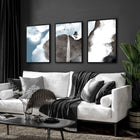
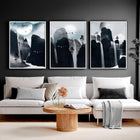
Art and gallery walls represent the pinnacle of personal expression in diy accent wall ideas, transforming blank spaces into vibrant narratives that reflect individual journeys, memories, and aesthetic sensibilities. These curated collections are more than mere decorations—they are visual stories that breathe life into your living environment.
According to Manchester Art Gallery’s research, engaging with art in thoughtfully designed spaces can profoundly impact emotional well-being, creating environments that promote relaxation and positive psychological states.
When designing your gallery wall, consider these fundamental strategies:
-
Select artworks that share a cohesive theme or color palette
-
Mix different sizes and frame styles for visual dynamism
-
Use digital templates or paper mock-ups before final hanging

Frame selection is crucial in creating a harmonious gallery wall. Consider mixing frame materials—wooden frames for warmth, metallic frames for contemporary edge, and minimalist white frames for clean sophistication. Varying frame widths adds depth and prevents a monotonous appearance.
Arrangement techniques can dramatically transform your accent wall. Symmetrical grids offer structured elegance, while asymmetrical layouts provide a more organic, spontaneous feel. Experiment with different configurations, using kraft paper to map potential layouts before committing to nail holes.
Personal curation is key. Incorporate a mix of mediums—photographs, original artworks, prints, sketches, and even three-dimensional objects like ceramic pieces or small sculptural elements. Your gallery wall should tell a story unique to you, reflecting your travels, passions, and personal aesthetic.

Practical considerations matter. Invest in quality hanging hardware appropriate to artwork weight. Use a laser level for precise alignment, and maintain consistent spacing between pieces—typically 2-3 inches creates a professional, intentional look.
For those uncertain about commitment, removable picture hanging strips offer flexibility. They allow experimentation without wall damage, perfect for renters or those who enjoy regularly refreshing their space.
Ultimately, a well-designed gallery wall transcends decoration. It becomes a personal museum, a daily reminder of cherished memories, inspirations, and the beautiful complexity of individual experience.
7: Adding Texture with Fabric or Wall Tapestries
Fabric and wall tapestries offer an extraordinary dimension to diy accent wall ideas, transforming ordinary spaces into rich, tactile narratives that whisper stories of craftsmanship and personal expression. These textile treasures transcend mere decoration, becoming powerful design elements that introduce warmth, depth, and sophisticated visual intrigue.
According to Homes & Gardens, fabric wall coverings can dramatically enhance a room’s acoustic properties while simultaneously adding extraordinary textural complexity to interior spaces.
When exploring fabric accent walls, consider these strategic approaches:
-
Select heavyweight fabrics with interesting weaves or patterns
-
Consider professional mounting techniques for seamless installation
-
Choose colours and textures that complement existing room decor
Mounting techniques are crucial for a professional finish. Professional installers often use specialised stretching frames or direct wall mounting with archival adhesives, ensuring smooth, wrinkle-free surfaces. For diy enthusiasts, lightweight staple guns and careful fabric selection can produce remarkable results.
Tapestries offer remarkable versatility, ranging from traditional medieval-inspired designs to contemporary abstract compositions. Vintage textiles can introduce historical narratives, while modern geometric prints provide clean, minimalist statements. Consider silk for luminosity, wool for warmth, and cotton for versatile, accessible texture.
Sound absorption is an often-overlooked benefit of fabric walls. Textiles can significantly reduce ambient noise, creating more peaceful, contemplative environments. This acoustic advantage makes fabric accent walls particularly appealing in home offices, bedrooms, and study spaces.
For renters or those seeking flexibility, removable fabric panels mounted on lightweight frames offer an elegant solution. These can be easily changed, stored, and reinstalled, providing maximum design freedom without permanent wall alterations.
Budget considerations need not limit creativity. Vintage tablecloths, carefully selected scarves, or even beautifully patterned bedsheets can be transformed into stunning wall features with minimal investment.
Ultimately, fabric accent walls are more than decorative choices—they are sensory experiences that invite touch, spark conversation, and reflect the nuanced personal style of those who inhabit the space.
Below is a comprehensive table summarising the key diy accent wall ideas, approaches, benefits, and considerations discussed in the article for transforming your space.
| Idea/Section | Main Approach & Steps | Benefits & Considerations |
|---|---|---|
| Choosing the Right Wall | Select a wall that draws the eye, consider architectural features, natural light, and room function | Enhances focal point, expands or adds depth to space, harmonises with décor |
| Selecting a Colour Scheme | Choose a primary colour, complementary tones, apply 60-30-10 rule, experiment with finishes & techniques | Sets emotional tone, reflects personal style, psychological impact of colours |
| Using Wallpaper | Opt for modern, textured wallpapers, measure accurately, consider removable options | Instantly transforms, adds personality, suitable for renters and various budgets |
| Exploring Wood Paneling | Select suitable wood types & finishes, orient panels creatively, precise installation | Adds warmth, texture, and rustic or modern charm, sustainable and calming effects |
| Creating a Chalkboard Wall | Prep surface, use quality chalkboard paint, explore colour options, maintain regularly | Functional and creative space, interactive, ideal for families and home offices |
| Incorporating Art or Gallery Walls | Curate artworks with a theme or palette, mix frames, design layout using templates | Expresses individuality, creates visual interest, easily updated and personalised |
| Adding Texture with Fabric or Wall Tapestries | Choose quality textiles, professional or DIY mounting, coordinate colours and patterns | Enhances acoustics, adds tactile depth, flexible options for renters or budgets |
Complete Your Accent Wall Transformation with Curated Wall Art
You have explored inspiring ideas for DIY accent walls, from selecting the right wall and colour scheme, to creative uses of wallpaper, wood panelling, and textiles. No matter which technique you choose, one challenge often remains: how to bring that final, personalised touch that ties your space together and reflects your unique style. Many homeowners struggle to find the right centrepiece or finishing detail that elevates their hard work into a true statement wall.
The perfect solution is closer than you think. Visit About Wall Art to discover exclusive collections of high-quality wall art designed for every taste and accent wall approach. Whether you want bold and modern prints, tranquil abstracts, or elegant tapestries, you will find pieces that match the ideas shared in this guide. Ready to make your accent wall truly unforgettable? Browse the latest arrivals at About Wall Art, find the perfect statement piece, and enjoy a seamless, secure shopping experience today.

More About
Delve deeper into the psychology of colour in home interiors, the way textures affect perception, or ultimate guides on sustainable decorating materials, I recommend this blog:The Power of Interior Colour Design to Influence Well-being
It offers both professional design perspectives and DIY-friendly content that complements the ideas in this post.
Pro Tips
Here are three relevant blog posts from the About Wall Art Content Hub that align nicely with the topic of accent wall ideas. Each offers additional inspiration and practical advice. All links are active:
-
How a Single Wall Can Transform Your Bedroom Space Decor into a Stunning Sanctuary — advice on creating accent walls especially in bedrooms, picking walls, selecting themes.
-
Wall Art Decor: Transform Your Living Room Style — guidance on how to choose wall art to complement your accent walls and create a strong focal point.
-
Interior Decor Ideas for Living Room Makeover — includes ideas on using statement pieces, balancing bold vs neutral colours, and coordinating wall art and furnishings.