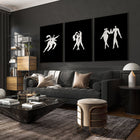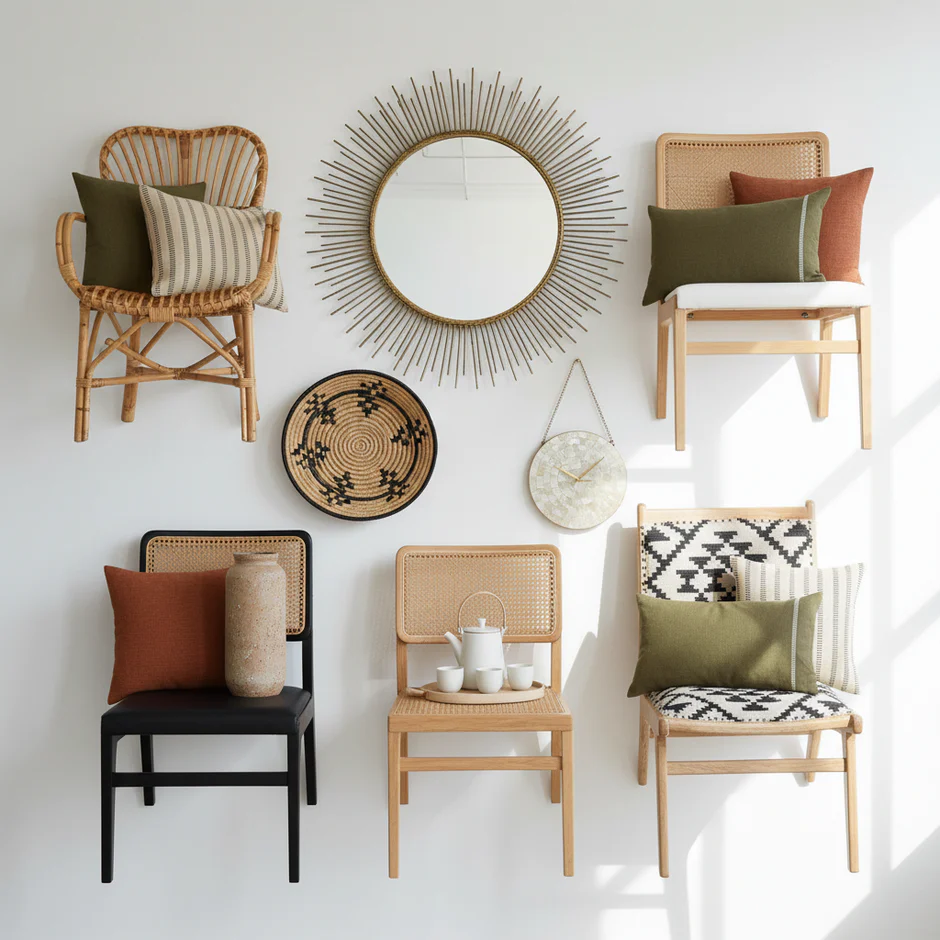


Have you ever explored different Abstract Wall Art Ideas and noticed how they can turn even the plainest wall into a vibrant statement piece?
Unlike traditional art that depicts familiar faces, objects, or places, abstract art relies on colour, shape, and movement to create mood and emotion.
What surprises many people is that abstract art doesn’t represent anything literal at all—it invites you to connect through feeling, letting every viewer discover their own meaning in the swirls, lines, and textures. And here’s the best part: you don’t need artistic expertise to understand or enjoy it.
Abstract art is made for personal interpretation, so anyone can find a connection that feels uniquely their own.
Table of Contents
- Understand The Basics of Abstract wall art ideas
- Choose Your Colour Palette
- Consider Different Mediums And Textures
- Explore Local And Online Art Communities
- Use Diy Techniques For Personalised Art
- Mix And Match With Other Art Styles
- Frame And Display Your Art Creatively
- Tailor Art Choices To Each Room’s Purpose
Quick Summary
| Takeaway | Explanation |
|---|---|
| Understand emotional expression in abstract art | Abstract art prioritises conveying feelings over realistic representations, inviting personal interpretation. |
| Choose appropriate colour palettes for your space | Colour impacts mood; select combinations that harmonise with your room’s existing scheme. |
| Incorporate diverse mediums for depth | Explore various materials and textures to enhance visual interest and emotional impact in your artwork. |
| Engage with art communities for inspiration | Interact with local and online art networks to discover unique pieces and deepen your artistic appreciation. |
| Tailor art selection to each room’s purpose | Choose artwork that aligns with the emotional and functional atmosphere of specific spaces in your home. |
1: Understand the Basics of Abstract Wall Art ideas
Abstract wall art represents a fascinating realm of creative expression that transforms spaces through non-representational visual experiences. Unlike traditional art forms that depict recognisable objects or scenes, abstract art focuses on communicating emotions, concepts, and sensations through colour, shape, line, and texture.
According to the National Museum of Women in the Arts, abstract art emphasises the arrangement of visual elements to convey ideas and emotions rather than reproducing realistic imagery. This artistic approach allows for profound personal interpretation and emotional connection.
Key characteristics of abstract wall art include:
-
Emotional Resonance: Communicating feelings through non-literal visual language
-
Artistic Freedom: Liberating artists from representational constraints
-
Spatial Dynamism: Creating visual energy and movement within a static image
Understanding abstract art requires an open mindset and willingness to engage with artwork beyond literal representation. Each piece invites viewers to explore their personal emotional landscape, making abstract wall art a powerful tool for transforming home decor. Whether minimalist and geometric or fluid and organic, these artworks can dramatically alter a room’s atmosphere and reflect the inhabitant’s inner world.

By embracing abstract wall art, you’re not just decorating a space – you’re curating an environment that speaks to your unique aesthetic sensibilities and emotional depth.
2: Choose Your Colour Palette
Selecting the perfect colour palette for abstract wall art is an intricate process that transforms spaces and evokes powerful emotional responses. According to the National Design Academy, colour is a sophisticated design tool capable of setting an entire room’s mood before any furniture is introduced.
When exploring abstract wall art colour palettes, consider these strategic approaches:
-
Complementary Colours: Create dynamic visual tension by selecting opposite colours on the colour wheel

-
Monochromatic Schemes: Develop depth and sophistication using variations of a single colour

-
Neutral Foundations: Use subtle tones as a backdrop for more expressive artistic elements

Emotional Colour Psychology plays a significant role in palette selection. Warm tones like oranges and reds generate energy and passion, while cool blues and greens promote calmness and introspection. Each colour communicates a unique narrative within your abstract wall art.
Consider your existing room’s colour scheme when selecting abstract wall art. Discover interior decor ideas that harmonise your artwork with surrounding elements, creating a cohesive visual experience.

Remember that lighting dramatically influences how colours appear. Natural and artificial light can transform the artwork’s appearance throughout the day, adding another layer of visual complexity to your chosen abstract wall art piece.
3: Consider Different Mediums and Textures
Abstract wall art transcends traditional two-dimensional representations by exploring diverse mediums and textures that create rich, multisensory experiences. According to research from Coventry University, artistic practices have evolved to embrace innovative materials and experimental techniques.
Exploring different mediums offers unique opportunities for artistic expression:
-
Canvas Paintings: Traditional yet versatile, allowing layered paint techniques
-
Mixed Media Compositions: Combining materials like fabric, metal, and found objects
-
Digital Prints: Precise, contemporary representations with crisp visual clarity
Texture plays a crucial role in abstract wall art, transforming flat surfaces into dynamic visual landscapes. Raised acrylic paints, textured canvases, and relief techniques can create depth that invites tactile exploration. Some artists incorporate unconventional materials like sand, metallic leaf, or handmade paper to add intricate dimensionality.
When selecting textural abstract art, consider how the piece interacts with your space. If you’re struggling with a room that feels monotonous, explore strategies for adding visual interest through carefully chosen wall art.
Remember that texture can dramatically alter an artwork’s emotional impact. Smooth, sleek surfaces communicate minimalist sophistication, while rough, uneven textures suggest raw emotional intensity. The medium you choose becomes a language that speaks beyond colour and form.

4: Explore Local and Online Art Communities
Engaging with art communities provides invaluable insights and inspiration for discovering exceptional abstract wall art. According to Tate’s comprehensive art resources, connecting with local and digital art networks can transform your artistic understanding and collection approach.
Strategic ways to immerse yourself in art communities include:
-
Local Art Galleries: Attend exhibitions and meet artists directly
-
Online Art Platforms: Explore virtual galleries and artist portfolios
-
Social Media Art Groups: Connect with creators worldwide
Digital Platforms have revolutionised how we discover and interact with abstract art. Instagram, Pinterest, and specialised art websites offer unprecedented access to emerging artists and unique abstract wall art collections. These platforms allow you to explore diverse styles, understand artistic trends, and connect directly with creators.
Local art communities provide equally rich experiences. Regional galleries, art fairs, and community workshops offer opportunities to engage personally with abstract art creators. These interactions provide deeper context about artistic techniques, inspirations, and the stories behind individual pieces.
When exploring these communities, approach with curiosity and openness. Each interaction can provide unique perspectives on abstract wall art, helping you develop a more nuanced appreciation for this dynamic art form. Discover new interior decor inspirations that emerge from these creative connections and transform your living spaces.

5: Use DIY Techniques for Personalised Art
Creating your own abstract wall art transforms a simple decorative piece into a deeply personal expression of creativity. DIY techniques offer an extraordinary opportunity to craft unique artworks that reflect your individual style and emotional landscape.
Essential materials for DIY abstract art include:
-
Acrylic Paints: Versatile and quick-drying medium

-
Canvas or Wooden Panels: Sturdy base for artistic experimentation

-
Unconventional Tools: Palette knives, sponges, bubble wrap for texture

Beginners can start with simple pour painting techniques, where fluid acrylic colours are layered and manipulated to create mesmerising abstract compositions. By tilting the canvas and allowing colours to blend organically, you generate unique patterns impossible to replicate precisely.
Experimental techniques like texture layering can add depth to your artwork. Mix modelling paste with acrylic paint to create raised surfaces, or incorporate materials like sand, metallic leaf, or textured fabrics to generate intriguing visual complexity.
Remember that imperfection is art’s beauty. Abstract art celebrates spontaneity and emotional expression over technical precision. Explore how mindful home decor can transform your daily experience, allowing your personally created artwork to become a source of inspiration and tranquillity.
Whether you’re a seasoned artist or a curious beginner, DIY abstract wall art offers a therapeutic and rewarding creative journey that results in a truly one-of-a-kind masterpiece.
6: Mix and Match with Other Art Styles
Mixing abstract wall art with diverse artistic styles creates dynamic, multi-dimensional visual narratives that transform living spaces. According to Cambridge psychological research, engaging with diverse art styles can enhance abstract thinking and broaden our perceptual understanding.
Key strategies for successful art style integration include:
-
Complementary Contrasts: Pair abstract pieces with minimalist or traditional artworks
-
Colour Harmony: Select art with shared colour palettes
-
Balanced Composition: Create visual dialogue between different art styles
Layering different artistic approaches allows you to craft unique visual experiences. For instance, combine a bold abstract canvas with delicate line drawings, or juxtapose geometric abstract art against soft, impressionistic watercolours. These unexpected combinations generate visual tension and intellectual intrigue.
Consider your space’s existing aesthetic when mixing art styles. A mid-century modern room might benefit from abstract art with clean lines, while a rustic setting could incorporate more organic, textural abstract pieces. Discover strategies for creating compelling room focal points that showcase your curated art collection.
Remember that art is a personal journey. The most compelling collections reflect individual taste, telling a story that goes beyond mere decoration and becomes a profound expression of personal aesthetic.

7: Frame and Display Your Art Creatively
Framing and displaying abstract wall art transforms mere artwork into a powerful design statement that breathes life into your living spaces. According to Hertfordshire Visual Arts, thoughtful art presentation can dramatically enhance the aesthetic impact of your chosen pieces.
Key considerations for creative art display include:
-
Gallery Wall Arrangements: Create dynamic visual narratives
-
Unconventional Mounting: Explore floating frames and alternative hanging techniques
-
Strategic Lighting: Highlight artwork’s unique textures and colours

Framing techniques offer endless possibilities for personalisation. Minimalist metallic frames can provide a contemporary edge to abstract pieces, while wooden frames with organic textures complement more textural artworks. Consider matching frame colours to room accents or selecting contrasting tones that create visual intrigue.
For challenging spaces like staircases or awkward wall angles, explore innovative hanging solutions that transform architectural limitations into creative opportunities.
Remember that art display is an evolving practice. Don’t be afraid to experiment, rotate pieces seasonally, and allow your living space to tell a dynamic, ever-changing visual story. The right presentation can elevate abstract wall art from mere decoration to a profound personal expression.
8: Tailor Art Choices to Each Room’s Purpose
Selecting abstract wall art requires thoughtful consideration of each room’s unique atmosphere and functional purpose. According to Art UK, artwork should harmonise with the room’s intended emotional and practical experience.
Room-specific art selection strategies include:
-
Living Room: Bold, conversational pieces that spark dialogue

-
Bedroom: Soft, calming abstracts promoting relaxation

-
Home Office: Energetic, motivational compositions

Colour psychology plays a crucial role in selecting room-specific art. Warm, vibrant abstracts can energise dining spaces and social areas, while cooler, muted tones create serene environments in bedrooms and meditation spaces. The artwork becomes more than decoration – it’s an atmospheric conductor.
For spaces needing a personality boost, explore innovative decor solutions that transform mundane rooms into dynamic, inspiring environments. Consider the room’s lighting, existing colour scheme, and emotional intention when selecting abstract wall art.

Remember that art is personal. The most compelling selections reflect not just design principles, but your unique emotional landscape and the specific energy you wish to cultivate in each living space.
Below is a comprehensive table summarising the eight key abstract wall art ideas discussed in the article, providing an accessible overview for those seeking to enhance their interiors with unique artistic flair.
| Idea / Step | Core Guidance | Benefits |
|---|---|---|
| Understand the Basics of Abstract Art | Focus on emotion, colour, shape, and interpretation over literal imagery | Personal expression, emotional connection, creative freedom |
| Choose Your Colour Palette | Select colours (complementary, monochrome, neutral) that suit your room and desired atmosphere | Enhances mood, harmonises decor, creates visual impact |
| Consider Different Mediums and Textures | Explore canvas, mixed media, digital prints, and varied textures for depth | Adds dimension, tactile interest, unique focal points |
| Explore Local and Online Art Communities | Engage with local galleries, online platforms, or social media art groups for discovery and learning | Inspiration, access to diverse pieces, connects with artists |
| Use DIY Techniques for Personalised Art | Create your own abstract works using simple or experimental methods | Custom artwork, creative satisfaction, deeply personal decor |
| Mix and Match with Other Art Styles | Combine abstract pieces with contrasting or harmonious art styles | Dynamic arrangements, visual intrigue, rich narrative |
| Frame and Display Your Art Creatively | Utilise gallery walls, novel mounting, and strategic lighting | Highlights art, reimagines space, evolving display possibilities |
| Tailor Art Choices to Each Room’s Purpose | Match artwork style and colour to the function and feel of each room | Supports relaxation, motivation, conversation; complements lifestyle |
Bring Your Space to Life with Unique Abstract Wall Art
Are you struggling to find wall art that communicates your personality while transforming the mood of your home or office? Many readers tell us that choosing the right palette, medium or display method leaves them overwhelmed, not to mention the challenge of finding artwork that truly connects on an emotional level. You have now learned how colour psychology, creative textures and DIY touches can elevate any space. But actual results depend on artwork that suits your taste and complements your décor.
This is where About Wall Art can help you turn inspiration into reality. Shop our curated collection of striking abstract pieces, ready to harmonise with any aesthetic and adapt to any room’s purpose. Whether you want bold canvases to spark conversation or soothing tones for a tranquil retreat, you will find options that solve style stagnation and add fresh energy to your walls. Explore our range today at About Wall Art and let your interiors express exactly who you are. The perfect abstract piece is waiting to make your vision come alive.

More About
Dive deeper into how abstract art shapes mood, space perception, and personal connection, I recommend checking out this article on abstract art and modern British artists. These resources offer great context on how abstraction has evolved and how to select pieces that resonate emotionally and visually.
Pro Tips
Here are 3 blog posts from out Content Hub that pair well with your topic of abstract wall art ideas.
-
Can Abstract Art transform the energy of your living space? — explores how a bold abstract brushstroke or piece can shift the mood of a room and become a powerful focal point.
-
Modern Wall Art Ideas to Refresh Any Space — includes abstract compositions among other styles, offering ideas for colour, scale, and combining art styles.
-
Wall Art Decor: Transform Your Living Room Style — advice on how to choose art that matches your room’s palette and décor (including abstract); tips on proportion, framing and cohesion.