

Ever Wondered Why Art Placement Is Important for Your Home's Vibe?
by Mae Osz on Nov 29, 2025
Where you hang a piece of art matters just as much as which piece you choose. Thoughtful art placement shapes the mood of a room, guides the eye, and turns blank walls into something that feels intentional and personal. Whether you are starting from scratch or rethinking a space that never quite clicked, understanding the core principles of positioning can make an immediate, visible difference.
By Mae Osz | Interior Design Consultant & Home Decor Expert with 12+ years of experience.
Have you ever wondered why art placement is important when decorating your home?
The answer goes far beyond simply filling an empty wall. Thoughtful placement can completely transform a room’s atmosphere, create harmony, and guide the eye, turning any space into a home that truly reflects your personality.
From creating focal points to influencing mood, understanding how to position art is the key to a cohesive, inviting interior.
List of Contents
- Setting the Scene with Art
- The Golden Rules: Height and Scale
- Matching Your Art to the Room's Purpose
- Creating Harmony with Gallery Walls
- The Finishing Touch: Lighting Your Art
- More about…
- Pro Tips…
Setting the Scene with Art

Art as a Narrative Tool
Art placement is really about storytelling. It guides the eye and turns a house into a home by reflecting your personality and experiences.
When you intentionally place a piece of art, you’re not just decorating; you’re adding a chapter to your home’s story.
This is a fundamental reason why art placement is important. This is what separates a space that feels curated from one that feels random. The right piece, placed thoughtfully, can define a room's entire mood.

How to Use Art as a Powerful Focal Point
A single, well-placed piece of art can anchor an entire room, giving it a clear sense of purpose and personality. Think of it as a conversation starter.
This is a foundational principle for achieving a cohesive, well-considered look. Furthermore, placement can cleverly alter the perception of a room’s size.
For instance, a large canvas can make a small room feel grander, while a collection of smaller pieces can make a large space feel cosier.

Understanding this is the first step to intentional decoration, and exploring the beautiful pieces available from our collections at About Wall Art can help you find that perfect focal point.
The Golden Rules: Height and Scale
Now for the practical magic. Knowing how to hang wall art correctly is simpler than you might think. There are a few professional secrets that make all the difference, and mastering them is a key part of creating a space that feels polished and intentional. These aren't strict laws, but they are fantastic guidelines for creating balance.
The Eye-Level Guideline
The most important of all art placement rules is the eye-level guideline. You should hang art so its centre is approximately 57-60 inches (about 145-152 cm) from the floor. This is the average human eye level and the standard used in galleries. It ensures the art is comfortable to view without straining your neck. It’s a simple trick that instantly makes your space feel more professional.

The Two-Thirds Rule for Furniture
When hanging art above furniture like a sofa, console, or headboard, aim for the artwork to be about two-thirds the width of the furniture piece. This creates a pleasing visual connection.

Also, be sure to leave a gap of about 6-8 inches between the bottom of the frame and the top of the furniture. This prevents the two elements from feeling disconnected or squashed together.
This balance is especially important when selecting framed wall pictures for the living room, where proportions are on full display.
Knowing When to Bend the Rules
Of course, rules are made to be broken, but only with intention!
In a room with very high, vaulted ceilings, you might hang art a little higher to draw the eye upward.

Above a child's bed, you might hang it lower.

Understanding the fundamentals gives you the confidence to get creative when the situation calls for it.
Matching Your Art to the Room's Purpose
The Living Room: A Social Hub
The living room is often the heart of the home, so it’s the perfect place for a bold statement piece or a dynamic gallery wall to spark conversation. This is where you can truly express your style.
There are so many fantastic living room art ideas homes can embrace — from large-scale abstracts to personal photo collections — and our guide on canvas pictures for living rooms walks you through how to choose and style the right pieces for your space. The goal is to create a focal point that feels both personal and inviting.

The Bedroom: A Serene Sanctuary
In the bedroom, the aim is rest and tranquillity. I always recommend calm, restful works — serene landscapes, soft abstracts, or minimalist prints — and our dedicated guide to calming wall art ideas for the bedroom is a great place to start if you want curated recommendations.

A wonderful tip is to place it on the wall opposite your bed. This way, it’s the first peaceful image you see in the morning and the last you see at night. This is a perfect example of why art placement is important for influencing your mood.
Hallways and Staircases: A Visual Journey
Don’t neglect transitional spaces! Hallways and staircases are ideal for gallery walls that tell a story as you move through the home.

They offer a chance to display a series of smaller prints or family photos. This shows why art placement is important even in areas you just pass through, turning them into engaging parts of your home's design.
| Room | Primary Goal | Suggested Art Style | Ideal Placement |
|---|---|---|---|
| Living Room | Spark conversation, create a focal point | Bold statement pieces, dynamic gallery walls | Above the main sofa, over a fireplace |
| Bedroom | Promote rest and tranquillity | Serene landscapes, soft abstracts, minimalist prints | Opposite the bed, above the headboard |
| Hallway | Tell a story, add personality | Curated gallery wall, series of smaller prints | Ascending a staircase, along a narrow wall |
| Kitchen | Add energy and vibrancy | Colourful abstracts, food-related prints | On a feature wall away from heat/steam |
Note: This table offers general guidance. Always consider your personal style and the specific layout of your room when making final decisions.

Creating Harmony with Gallery Walls
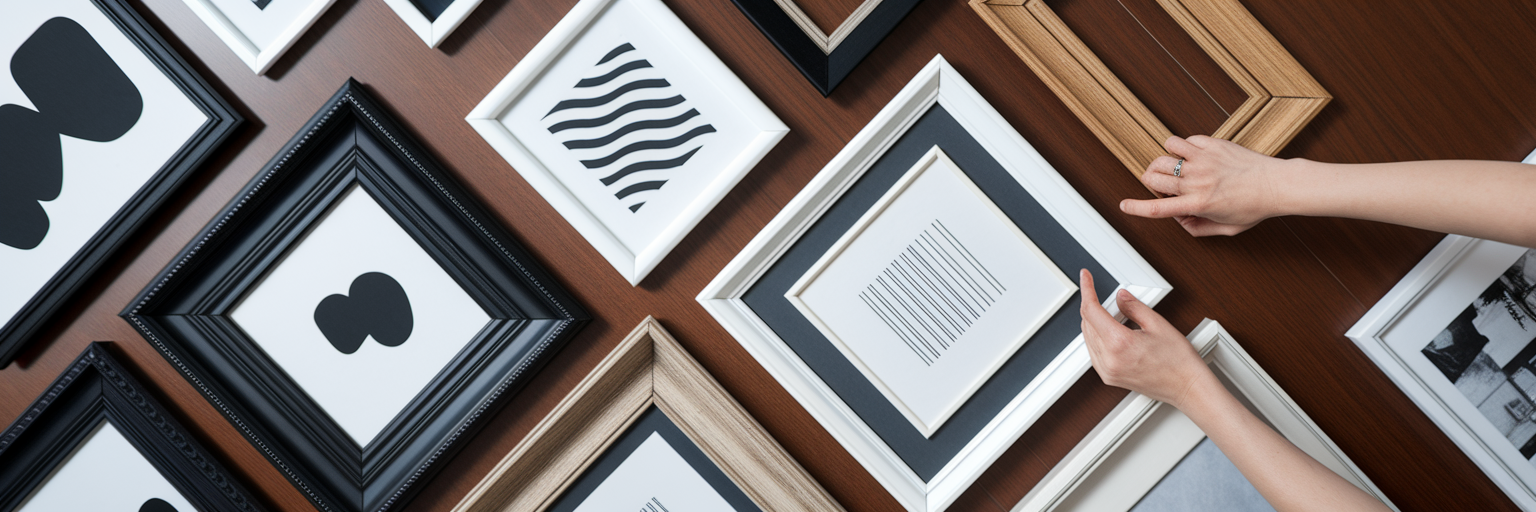
 A gallery wall is a fantastic way to showcase your personality, but a great one looks curated, not cluttered. This is why art placement is important on a smaller, more intricate scale. Here are my top gallery wall layout tips:
- Plan Your Layout: Before making any holes, lay your frames out on the floor or use paper cutouts taped to the wall. Play with the arrangement until it feels right. This step is crucial.

- Find a Unifying Element: To create cohesion, find a common thread. This could be consistent frame colours, a similar colour palette in the art itself, or a shared theme like travel or nature.
- Mind the Gap: Pay attention to the spacing between frames. For a structured grid layout, keep the spacing uniform. For a more eclectic salon style, the spacing can vary, but it should still feel balanced. This attention to detail is why art placement is important for a polished result.
A well-planned gallery wall is a beautiful testament to your personal style, and careful planning is the secret to its success.
The Finishing Touch: Lighting Your Art
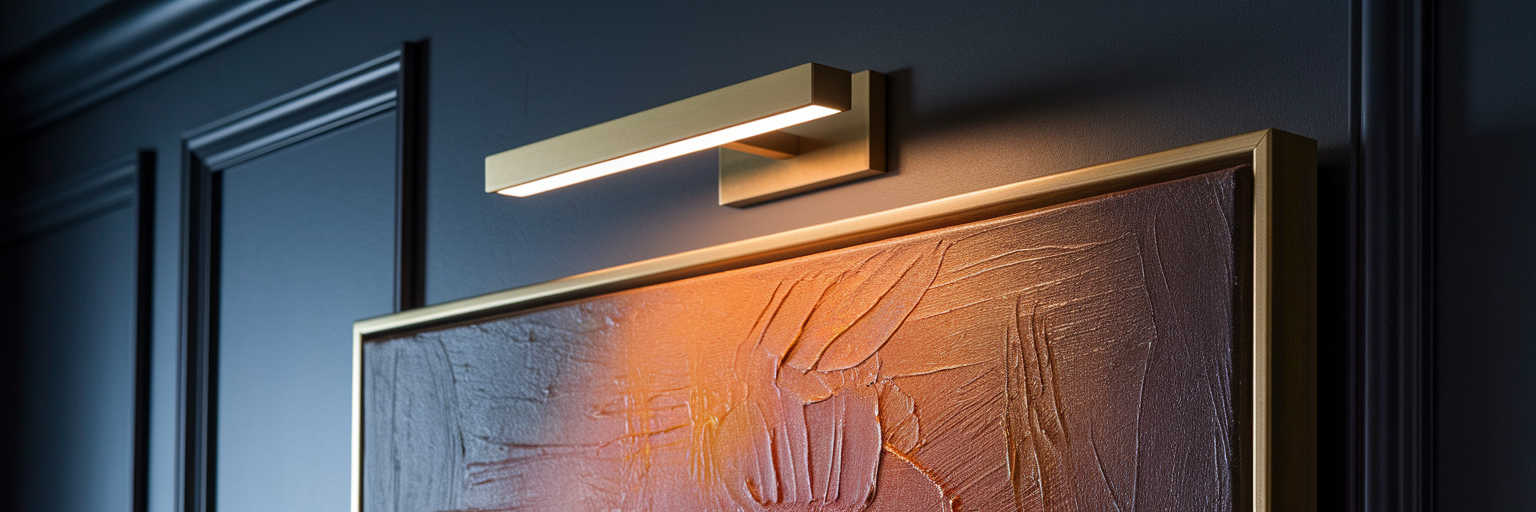
Finally, let's talk about the finishing touch that can make or break your display: lighting. This is the final piece of the puzzle in understanding why art placement is important. The right light ensures your art gets the attention it deserves. Think of light as the final brushstroke that completes the picture.
- Dedicated Picture Lights: These are mounted directly above the artwork for a traditional, focused look that feels very sophisticated.

- Adjustable Spotlights: Ceiling-mounted spotlights offer a modern, flexible alternative, allowing you to direct light precisely where you need it.

- Natural Light: While beautiful, be careful with direct sunlight. It can cause colours to fade over time, especially with delicate prints or photographs. Considering the light source from the beginning is another reason why art placement is important for the long-term enjoyment of your collection.

Common Art Placement Mistakes to Avoid
Even well-chosen art can let a room down when it is positioned carelessly. The most frequent mistake is hanging art too high — a natural habit, since walls feel large and empty, but one that disconnects the artwork from the furniture and the people in the room. Always return to the 57–60 inch centre-point rule before reaching for the nail.
Another common error is choosing a piece that is too small for the wall. A single, undersized print on a large expanse of wall can look lost and make the room feel sparse rather than considered. When in doubt, size up, or group smaller pieces together to create the visual weight the space needs.
Finally, ignoring lighting is a missed opportunity. Art hung in a dim corner or under a harsh overhead bulb loses much of its impact. Even a simple adjustable picture light or a directed spotlight can elevate a print from background noise to a genuine room feature.
Art Placement by Style: Matching Trends to Your Walls
The decorating style of a room should inform not just what art you choose but how you position it. In a Japandi or minimalist interior, a single large-format print hung with generous negative space around it reinforces the calm, uncluttered aesthetic. Adding too many pieces or placing them too close together undermines the whole scheme.
In an eclectic or maximalist room, a floor-to-ceiling gallery wall with varied frame sizes and mixed subject matter feels intentional rather than chaotic — provided there is a unifying thread, whether that is colour, frame finish, or mood. The key is to plan the layout on the floor before committing to wall hooks.
For a coastal or biophilic interior, positioning nature-inspired prints near windows where natural light can animate the colours adds an extra layer of connection between the art and the environment. Thoughtful positioning is what turns a stylistic choice into a fully realised room.
Get practical guidance on choosing and positioning art to suit every room and budget, direct from an established gallery resource.
Embark on a journey of transforming your space with intentional art. Learn how to choose the perfect piece and place it with confidence. Join us as we explore the topic of Ever Wondered Why Art Placement Is Important for Your Home's Vibe?. Click here to uncover more inspiration and tips for decorating your personal sanctuary.
Pro Tips…
I encourage you to explore styles and trends from our Content Hub. It’s a wonderful resource for sparking ideas and seeing how different pieces can work in real homes.
If you want to see these ideas in action, our Content hub offers plenty of visuals to guide you. Discover inspiring Home decor tips and trends to suit a variety of styles and moods.
- How to find your perfect Home style
- Understanding the role of art in interior design
- How to Hang art: Easy Steps for perfect display
- 7 Essential tips for wall art Hanging Systems
I hope this guide inspires you to view unique wall art as both a decorative element and a powerful tool for creating a sanctuary tailored to your relaxation needs.
Which style are you leaning towards? Let me know—I’d love to hear your ideas!


