Your Ultimate Interior Styles List for a Beautiful Home
by Mae Osz on Jan 05, 2026
Knowing which interior design style speaks to you is the first step towards a home you genuinely love — but with so many looks to choose from, it can be hard to know where to start. This interior styles list cuts through the noise, explaining the key characteristics of every major aesthetic, from clean-lined Modernism and cosy Scandinavian to characterful Industrial and free-spirited Bohemian. Whether you want to commit to one look or borrow the best bits from several, you'll find everything you need right here.
By Mae Osz | Interior Design Consultant & Home Decor Expert with 12+ years of experience.
Have you ever scrolled through beautiful homes online and wondered how to define your own taste? Creating a personal home design shortlist can feel like a huge task, but I'm here to show you how simple and enjoyable it can be.
I believe your home should be your haven, a place that reflects who you are and makes you feel completely at ease.
Understanding the most popular home design looks is the first step towards creating a space that feels truly 'you'.
But this isn't about rigidly following one look. Instead, it's about borrowing elements you love to create a peaceful and personal sanctuary.
So, let's find the look that speaks to you and begin crafting a home you'll adore.

List of Contents
- Timeless and Transitional Design Styles
- Modern, Contemporary and Scandinavian Style Explained
- Industrial, Bohemian and Maximalist Styles
- Biophilic, Coastal, Japandi and Zen Design Styles
- How to Mix Decorating Aesthetics for a Personal Touch
- Glamorous and Personality-Driven Styles: Glam Luxe, Old Money and Eclectic
- Farmhouse, French Country and Cottage Interior Styles
- Art Deco and Mid-Century Modern: Iconic Design Periods
Timeless and Transitional Design Styles
Some styles just have a lasting appeal, and for good reason.
Transitional design, for instance, is a beautiful bridge between classic and modern. It blends the comfort and warmth of Traditional design, think plush fabrics and detailed mouldings, with the clean profiles of contemporary furniture.
It’s incredibly popular in many UK homes because it strikes such a perfect balance. On the other hand, the Traditional style itself is rooted in 18th and 19th-century European decor.

It evokes a sense of history and grandeur with its ornate furniture, rich colour palettes of deep reds and blues, and classic patterns. If you're drawn to this timeless elegance, a great way to start is with a neutral wall colour.
xxxxxx
xxxxxx
xxxxxx
Then, you can introduce classic elements through a statement piece like a Chesterfield sofa or some elegant framed wall pictures for a living room. The Transitional palette often uses sophisticated neutrals like taupe, grey, and vanilla, which, when combined with materials like dark wood and polished chrome, create a calm yet refined atmosphere that never feels dated.

Modern, Contemporary and Scandinavian Style Explained
People often use 'Modern' and 'Contemporary' interchangeably, but they are actually distinct.
Modern design originated in the early to mid-20th century with the mantra 'form follows function'. It’s all about clean lines, natural materials, and uncluttered spaces with a neutral colour scheme.
Contemporary, however, refers to the style of the present moment. Right now, that means soft minimalism, gentle curves in furniture, and a huge focus on natural light. It’s a bit softer and more fluid than the stricter rules of Modernism.

A key contemporary look that we all love is Scandinavian style — and if creating a calm and serene home is your priority, that guide goes even deeper. It champions light, simplicity, and functionality, all wrapped up in that cosy feeling of 'hygge'. With its signature pale woods, white walls, and soft textiles, it’s perfect for making our homes feel bright, even on a grey British day. When it comes to wall art for these modern home decor ideas, less is often more. A single, large piece from our collection of abstract art prints can work beautifully as a focal point, adding personality without overwhelming the serene space.

Industrial, Bohemian and Maximalist Styles
If you love spaces that tell a story, then these personality-driven styles are for you.
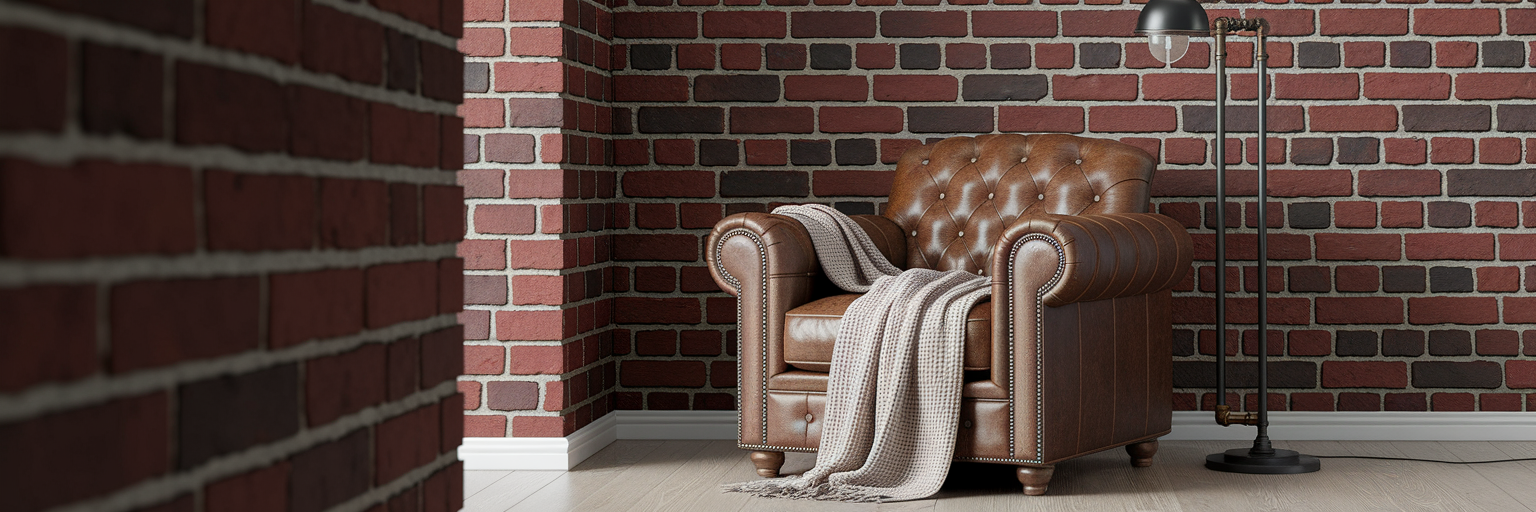
The Industrial style, for example, has its roots in converting old factories and warehouses in cities like London and Manchester into living spaces. Its signature elements are raw and honest: exposed brickwork, metal pipes, and reclaimed wood.

xxxxxx
xxxxxx
xxxxxx
Then there’s the Bohemian or 'Boho' style, which is wonderfully free-spirited and eclectic. It’s all about mixing patterns, textures, and objects you’ve collected from your travels. Think natural materials like rattan, an abundance of houseplants, and layered rugs.

At the other end of the spectrum from minimalism is Maximalism. This is a joyful 'more is more' approach that celebrates bold colours, rich patterns, and a curated collection of cherished objects.
xxxxxxx
xxxxxxx
xxxxxxx
xxxxxxx

It’s not about clutter, but about creating a space that is full of life and story. When I'm helping someone with mixing multiple home design aesthetics, I always suggest using a consistent colour palette or a repeated texture to tie everything together.
Exploring our Bohemian wall art can be a fantastic and simple way to start introducing this vibrant style into your home.
Biophilic, Coastal, Japandi and Zen Design Styles
Creating a calm, mindful environment at home is more important than ever.
Japandi is one of the most popular interior styles right now, and it’s a perfect hybrid of Scandinavian rustic minimalism and Japanese elegant simplicity. It values craftsmanship, natural materials, and a beautifully muted colour palette.

Another style that brings a sense of peace is the Coastal look. This evokes a breezy seaside cottage, but it’s more subtle than a full-on 'nautical' theme. It uses a soft palette of whites, gentle blues, and sandy beiges, along with light fabrics and weathered wood.

These styles also connect with the growing trend of sustainable design, using eco-friendly materials like reclaimed wood and low-VOC paints.
To truly enhance this atmosphere, you might find that some practical meditation techniques for enhancing mindfulness at home pair perfectly with a serene setting. For wall art, I love using pieces that reflect the natural world. Watercolour landscapes or botanical prints from our Coastal decor collection can beautifully reinforce that feeling of bringing the outdoors in.
How to Mix Decorating Aesthetics for a Personal Touch
 Please don't feel you have to stick to just one style!
The most beautiful and interesting interiors are often a thoughtful mix. The goal is to create a unique space that reflects you, not a showroom replica from a single Interior Styles list.
A great way to start is with the 80/20 rule. Choose a dominant style that will make up about 80% of your room, and then add accents from a second style for the remaining 20%.
For example, you could have a primarily Scandinavian room that feels calm and clean, but add a bold, maximalist art piece for a pop of personality.
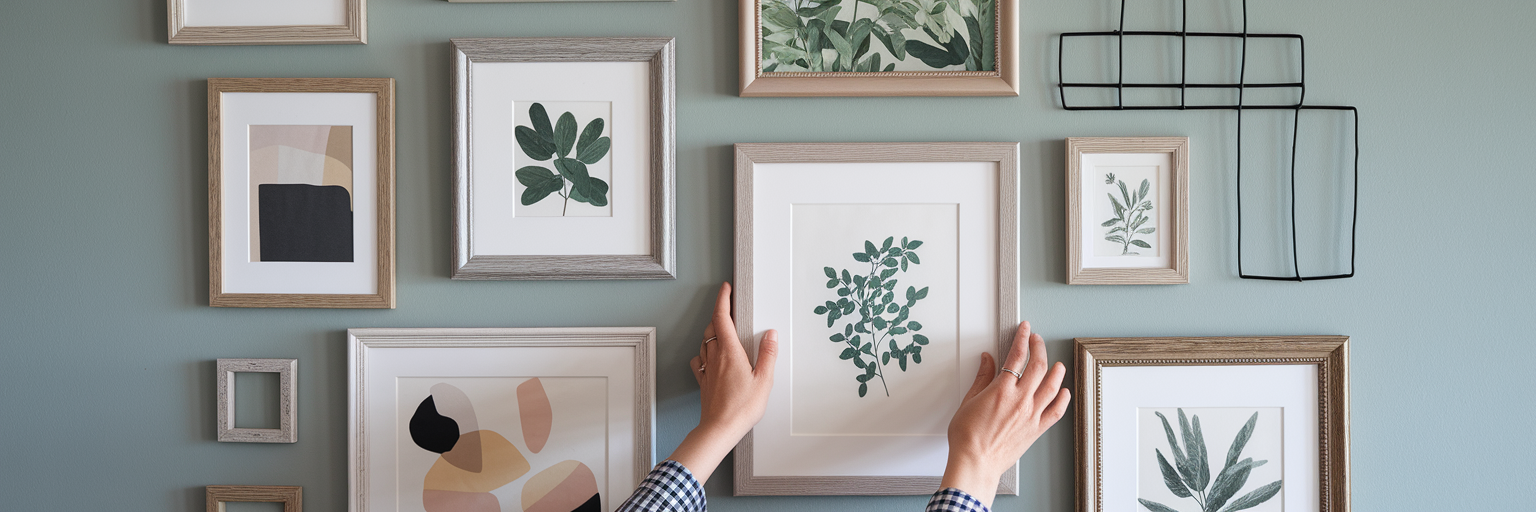

To find your interior style blend, I recommend creating a mood board. Whether it's a physical corkboard or a Pinterest board, gathering images you love will help you see patterns emerge. This is how you discover your unique mix of decorating aesthetics UK. Here’s a little table to show you how it can work.
| Element | Base Style (Scandinavian - 80%) | Accent Style (Bohemian - 20%) |
|---|---|---|
| Colour Palette | White walls, light grey, soft neutrals | Pops of terracotta, mustard, or forest green |
| Furniture | Clean-lined sofa, light wood coffee table | Rattan accent chair or vintage side table |
| Textiles | Simple linen curtains, woollen throws | Layered patterned rugs, macrame wall hanging |
| Wall Art | Minimalist abstract or line art | A gallery wall of eclectic prints and photos |
This table illustrates the 80/20 rule, showing how to build a foundation with one style while adding personality with accent pieces from another. This approach ensures a look that is cohesive yet uniquely personal.

Glamorous and Personality-Driven Styles: Glam Luxe, Old Money and Eclectic
Not every home wants to whisper — some are meant to make a statement. Glam Luxe design leans into opulence: think mirrored surfaces, plush velvet upholstery, gold or brass hardware, and richly layered lighting. It is less about excess and more about considered luxury, where every piece feels deliberately chosen for maximum impact.
Old Money style has surged in popularity across UK and US homes alike. It draws on the understated elegance of long-established wealth — think antique wooden furniture, oil paintings, leather-bound books, and a muted palette of forest green, burgundy, and navy. The key is quality over quantity; each item looks as though it has been in the family for generations.
Eclectic decorating sits apart from all other styles because it has no single rulebook. It is the art of mixing periods, cultures, and aesthetics in a way that feels curated rather than chaotic. A Victorian console table beside a mid-century lamp and a contemporary abstract print can work beautifully together when a consistent colour thread ties them. If you love the eclectic approach, our eclectic wall art collection is a great starting point for anchoring a room.
Farmhouse, French Country and Cottage Interior Styles
Farmhouse style is one of the most searched aesthetics in the UK and US. It pairs rustic, worn-in textures — reclaimed wood, shiplap walls, stone worktops — with a warm, welcoming palette of whites, creams, and soft greys. The look celebrates imperfection and handmade craft, making a home feel genuinely lived-in and loved.
French Country borrows from the relaxed elegance of rural Provence. Expect curved furniture silhouettes, toile-de-Jouy fabrics, sun-faded terracottas and lavender blues, and an abundance of natural light. It is warmer and more romantic than formal French interior styles, and it layers beautifully with vintage finds.
Country Cottage is a distinctly British take on rural living: low ceilings, exposed beams, floral fabrics, mismatched china, and a general sense of cheerful homeliness. Artwork tends to be botanical, landscape, or pastoral in subject matter — country cottage wall art featuring florals or countryside scenes can instantly warm a space.
Art Deco and Mid-Century Modern: Iconic Design Periods
Art Deco emerged in the 1920s and 1930s and remains one of the most recognisable design periods in history. Its hallmarks are bold geometric patterns, rich jewel tones (emerald, sapphire, gold), highly polished lacquered surfaces, and decorative symmetry. A single well-chosen Art Deco print or mirror can elevate an otherwise neutral room dramatically.
Mid-Century Modern (often shortened to MCM) spans roughly 1945 to 1969 and continues to feel remarkably fresh. Its defining features are organic shapes, tapered wooden legs on furniture, avocado and mustard colour accents, and an honest celebration of materials. MCM interiors avoid fussiness — wall art tends toward abstract, graphic, or nature-inspired prints that complement the clean lines of the furniture rather than compete with them.
Get a detailed breakdown of every major design period, its origins, and the defining characteristics that set it apart.
Embark on a journey of discovering your unique home personality. Learn how to choose decor that tells your story. Join us as we explore the topic of Your Ultimate Interior Styles List for a Beautiful Home. Click here to uncover more inspiration and tips for decorating your personal sanctuary.
Pro Tips…
Feeling inspired? The best way to see which of these home design looks resonates with you is to see them in action.
Our Content Hub is filled with beautiful imagery and tips to help you on your journey. Explore our articles on calming bedroom decor or living room art ideas to see how different styles come to life with the perfect wall art. It’s the perfect next step to take your inspiration and turn it into a reality.
Discover inspiring Home decor tips and trends to suit a variety of styles and moods.
- How to Create a Calming Bedroom with Wall Art
- Canvas Paintings for Living Room: A Guide to Choosing the Perfect Art
- Large Wall Art for Living Room: Make a Statement with Style
I hope this guide inspires you to view wall art as both a decorative element and a powerful tool for creating a sanctuary tailored to your relaxation needs.
Which style are you leaning towards? Let me know—I’d love to hear your ideas!