

Art Print vs Poster: What’s the Difference and Which Should You Choose?
by Mae Osz on Dec 12, 2025
When it comes to decorating your walls, the choice between an art print vs poster is one of the most common dilemmas — and the answer matters more than you might think. At a glance, both look like framed images on a wall, but the materials, production methods, and longevity are worlds apart. Understanding those differences will help you spend your money wisely and choose something you'll genuinely love for years to come.
By Mae Osz | Interior Design Consultant & Home Decor Expert with 12+ years of experience.
Have you ever wondered about the difference between an art print vs poster and which is right for your home?
It’s a question I get asked a lot, especially when someone wants to create a wall that feels personal and timeless. Both options can look amazing, but they serve very different purposes.
In this guide, I’ll walk you through the key differences in materials, quality, longevity, and price. By the end, you’ll know exactly which option suits your space, style, and budget — helping you make a confident choice for wall art you’ll truly treasure.
List of Contents
- Key Differences in Quality and Materials
- Price and Longevity: What to Expect
- Pro Tips for Choosing Unique Wall Art
- How to Display Art Prints and Posters at Home
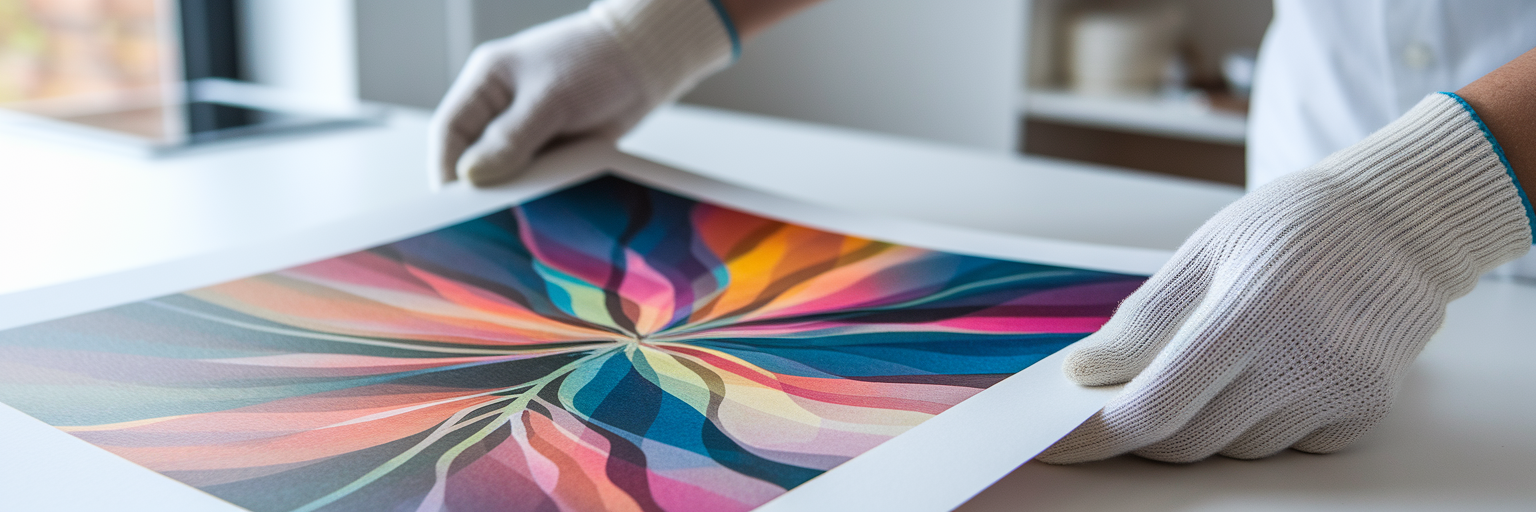
What Is a Fine Art Print?
So, what exactly makes an art print special?
A fine art print is a high-quality reproduction of an original piece of art. Its main purpose is to faithfully capture the colour, detail, and texture of the artist's original vision.
When comparing the two, this distinction in materials is the most important factor to understand.These prints are created using premium materials, such as archival-quality, acid-free papers like cotton rag or heavyweight matte paper.
These materials not only feel substantial in your hands but are also designed to prevent yellowing over time.
The printing process itself, known as giclée printing, uses high-quality pigment-based inks. This method produces incredibly rich colours and is highly resistant to fading. If you're searching for giclée prints, you'll find many beautiful options.
 Many high-quality art prints are also produced in limited editions and may even be signed by the artist, which makes them feel much more personal and exclusive. You can see the beautiful results of this process across a wide range of high-quality art prints for the wall. This commitment to craftsmanship is what sets a fine art print apart from a mass-produced alternative.
What Is a Wall Poster?
On the other side of this comparison, we have the wall poster. A poster is a mass-produced image, typically printed on thinner, standard paper that often has a glossy or semi-gloss finish.
I love posters for their connection to fun, accessible art like graphic designs, photography, films, or pop culture references. Their production process, usually offset lithography, is designed for large-volume printing, which makes them very affordable.
The materials reflect this; the paper is not archival, and the inks are typically dye-based. This means posters are more prone to fading, especially if they are in direct sunlight. But this isn't a drawback!

I see it as a positive. Posters are a fantastic, versatile option for expressing current interests or for anyone who enjoys frequently changing their wall art. They are perfect for showcasing a passion, like with vibrant travel wall art that reminds you of your favourite places.

This flexibility is a huge plus when thinking about affordable home décor ideas and weighing up which format suits you best.
But this isn't a drawback — I see it as a real positive. Posters are a fantastic, versatile option for expressing current interests, and they work especially well if you enjoy frequently refreshing your walls. If you're not sure where to start, our guide on choosing wall art for your living room has plenty of inspiration to help you decide.
Key Differences in Quality and Materials
So, let's put them side-by-side and look at exactly what sets these two formats apart.
| Feature | Art Print | Poster |
|---|---|---|
| Paper Type | Archival, acid-free, heavyweight (e.g., cotton rag) | Standard, thinner paper stock, often with a gloss finish |
| Ink Type | Pigment-based, fade-resistant | Dye-based, prone to fading over time |
| Printing Method | Giclée (fine art digital printing) | Offset Lithography (mass production) |
| Typical Lifespan | 70+ years without fading | 5-10 years, less in direct sunlight |
| Feel & Texture | Substantial, often textured, matte finish | Lightweight, smooth, can be glossy or matte |
Note: This table summarises the typical characteristics. Lifespan can vary based on framing, placement, and exposure to UV light.
But what does this all mean for your home? The archival paper in an art print contains no acid, which is the culprit that causes paper to turn yellow and brittle. The pigment-based inks are made from tiny particles of solid colour suspended in a liquid, which bond to the paper's surface and resist fading from UV light.

This is why they last so long. You can feel the difference too. An art print has a weighty, textured feel, while a poster is smooth and lightweight. This tactile difference is subtle but genuinely important when deciding which format is right for your home.
Price and Longevity: What to Expect
Naturally, this conversation also involves cost. Art prints have a higher price point, generally ranging from £50 to £300 or more in the UK.
This cost reflects the superior materials, the specialised giclée printing process, and often, a portion going directly to the artist.
In contrast, posters are a wonderfully budget-friendly choice, often available for under £40. This makes them fantastic for affordable home decor ideas. I always encourage people to connect this cost directly to longevity.
An art print is a long-term investment in your home’s atmosphere. It’s a piece you choose carefully and intend to treasure for years, perhaps even decades. It becomes part of your home's story.

A poster, on the other hand, is a more transient decorative item. It’s ideal for embracing trends, decorating a rented flat, or for spaces where you might want to refresh the look periodically without a large financial commitment.
The art print vs poster choice is really about what you want the art to do for your space now and in the future. The art print vs poster dilemma is less about which is 'better' and more about which is 'right for you'.
Which Should You Choose for Your Home?
So, how do you solve your personal art print vs poster puzzle? It all comes down to the room, your budget, and your long-term vision. Here is my practical advice to help you decide.
- When to choose an art print: I suggest an art print for primary living spaces where you want to make a statement, like the living room, dining room, or your main bedroom. It's the right choice when you want a sophisticated focal point, wish to invest in an artist you love, or are selecting something you intend to keep for many years. For a living room, you might look for beautiful framed wall pictures that act as a centrepiece. This is where you invest in high quality art prints, and the art print vs poster decision leans towards permanence.

- When to choose a poster: I recommend posters for more dynamic or temporary spaces. Think of a home office, a kitchen, a teenager's bedroom, or a university dorm. They are perfect for decorating with posters when you're experimenting with new styles or just want to add a pop of colour on a budget. A poster can be a great way to bring personality to your home office wall artwork. In these cases, the art print vs poster choice favours flexibility.

Ultimately, there are no strict rules. A beautifully framed poster can look absolutely stunning, and a small, cherished art print can be a wonderful personal luxury in any room. The best choice is always the one that fits your space, your budget, and most importantly, your personal style.
More about…
Embark on a journey of discovering your unique decorative style. Learn how to choose wall art that truly speaks to you. Join us as we explore the topic of Art Print vs Poster: What’s the Difference and Which Should You Choose?. Click here to uncover more inspiration and tips for decorating your personal sanctuary.
How to Display Art Prints and Posters at Home
Choosing the right format is only half the decision — how you display your wall art makes just as much difference to the final look. Fine art prints benefit enormously from being framed behind UV-protective glass, which guards the archival paper and pigment inks against light damage and keeps colours vibrant for decades. A deep-set frame with a white or cream mount adds breathing room around the image and gives it a gallery-quality finish.
Posters are more flexible. Because they are designed to be changed and refreshed, lightweight clip frames or poster rails work perfectly and make swapping prints quick and easy. If you do want to elevate a poster, a simple black frame without glass still looks smart and modern. Whichever format you choose, avoid hanging either directly above a heat source or in direct sunlight — both accelerate fading regardless of print quality.
If you are building a gallery wall, mixing both formats can work beautifully: use a fine art print as the anchor piece at the centre and arrange smaller posters around it for an eclectic, layered look.
Pro Tips for Choosing Wall Art
If you're looking for ideas on how to style your walls, explore the beautiful trends and tips on our Content Hub
If you want to see these ideas in action, our Content hub offers plenty of visuals to guide you. Discover inspiring Home decor tips and trends to suit a variety of styles and moods.
- How to Choose the Right Size Wall Art for Any Room
- Explore the most popular home decor styles for every space
- 7 essential tips for wall art hanging systems
I hope this guide inspires you to view wall art as both a decorative element and a powerful tool for creating a sanctuary tailored to your relaxation needs. Which style are you leaning towards? Let me know—I’d love to hear your ideas!


